
No Products in the Cart
How big do you think the smallest bird in the world is?Β Just over two inches tall.
Welcome to Classroom Connectionsβwhere every lesson moves from field to classroom. Each post features Ecology Blueprints, real-world Field Notes, and practical Classroom Connections designed to help you teach wildlife science, food webs, anatomy, and ecosystems with confidence.
And bring each lesson to life in your classroomβstarting today.
How big do you think the smallest bird in the world is?Β Just over two inches tall.
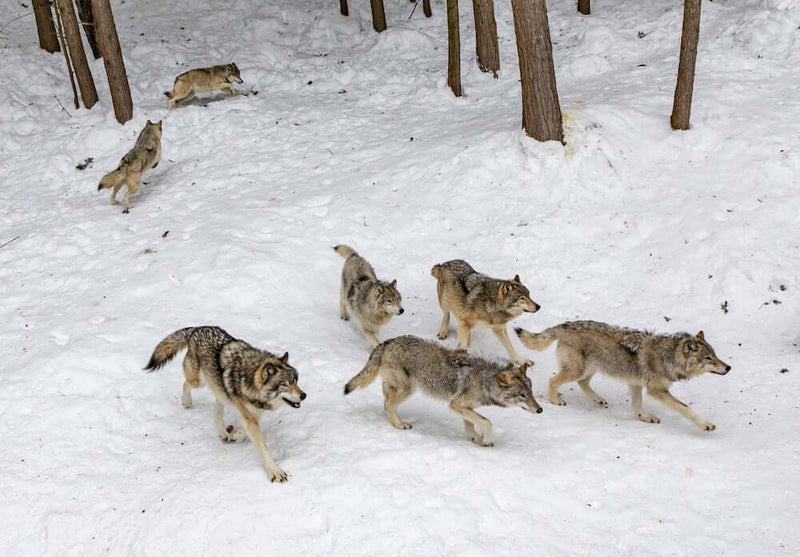
While it may seem odd that a wolf would leave their pack and go off on their own, itβs actually essential to the survival of the species overall.
Birds of prey include birds like hawks, owls, and eagles. These birds are threatened by human actions like wildlife trade, pollution, and urbanization thatβs led to habitat loss.
Have you gotten your hands on one of our brand new Sherlock Bones packs yet? They come in packs of 1, 3, or 10, and all include our Sherlock Bones pellet guide! This book will guide you through how pellets are formed, why we study them, and which owls produce pellets.
Youβve probably seen birds in the sky flying together as a group. Some species of birdΒ will fly in a βVβ or other shaped formation.
This summer, why not take a trip to a conservation center? There are plenty in the Northwest that provide exciting experiences and activities that are also educational about our nationβs wildlife.
The IUCN has 159 bird species on their list that are considered Extinct.
As the seasons change, we adapt β maybe weβll turn the AC or heat on, weβll start parking our cars in the garage more, or weβll switch our morning coffees from hot to iced.
Studying owls gives us really great insight into an ecosystem. They are prime subjects to look at because of how much information they can give us.
Weβre sure you're familiar with at least some bird songs. Whether youβre up early in the morning or walking around during the day, youβre bound to have heard some birds singing nearby.
Barn Owls eat a variety of prey, which means that you donβt know what youβre going to find in a pellet when you dissect it! The favorite food of Barn Owls is voles, but they also eat a variety of other things.
When you have land that is overrun with pests, instead of getting your hands on pesticides, go the more natural route and bring some Barn Owls in to handle the problem! Barn Owls are cavity dwellers.