
No Products in the Cart
A bear may sleep through winter, but its brain is not simply switched off. This playful question helps students explore torpor, metabolism, body temperature, and the careful evidence scientists use when studying hibernation.
Welcome to Classroom Connections—where every lesson moves from field to classroom. Each post features Ecology Blueprints, real-world Field Notes, and practical Classroom Connections designed to help you teach wildlife science, food webs, anatomy, and ecosystems with confidence.
And bring each lesson to life in your classroom—starting today.
A bear may sleep through winter, but its brain is not simply switched off. This playful question helps students explore torpor, metabolism, body temperature, and the careful evidence scientists use when studying hibernation.
Before winter settles in, bears spend fall finding or building dens that help them conserve energy through the cold months. This lesson connects den choice, seasonal timing, habitat clues, and student observation without turning bears into storybook sleepers.
When heat rises, bears adjust their whole day around water, shade, and energy savings. From stream beds to cool dirt beds, black bears and grizzlies use smart behavior to avoid overheating—and remind students that survival is often about timing.
Before summer campers hike in bear country, they need more than a rule list. This mini-lesson turns bear awareness into calm, evidence-based practice—helping kids understand food, space, noise, group travel, and what to do if they see a bear.
Turn bear posters into campfire storytelling with Storytime Sleuths, a creative writing activity that helps campers use real wildlife evidence, adaptations, habitats, and survival challenges to imagine each bear’s story.
Polar bears and grizzly bears are among the largest bears on Earth because their environments reward size. From Arctic cold and seal hunting to salmon-rich rivers, competition, fat storage, and survival through harsh seasons, these giant bears show how body size is shaped by habitat, food, and evolutionary pressure.
Female bears use one of nature’s strangest reproductive strategies: delayed implantation. Instead of immediately continuing pregnancy, the body pauses development until enough energy and fat reserves are available for winter survival and raising cubs.
Explore how teddy bears, bear legends, and real wildlife behavior can help students learn to read between the lines of animal stories, spot exaggeration, and uncover the real truths hidden underneath fiction and folklore.
Do bears really get “angry” when they’re hungry? Not exactly. Spring hunger makes bears more motivated, active, and defensive, which can sometimes look like anger.
What if a polar bear woke up somewhere warm for winter? Explore what breaks first when an Arctic specialist faces the wrong season — and why it matters.
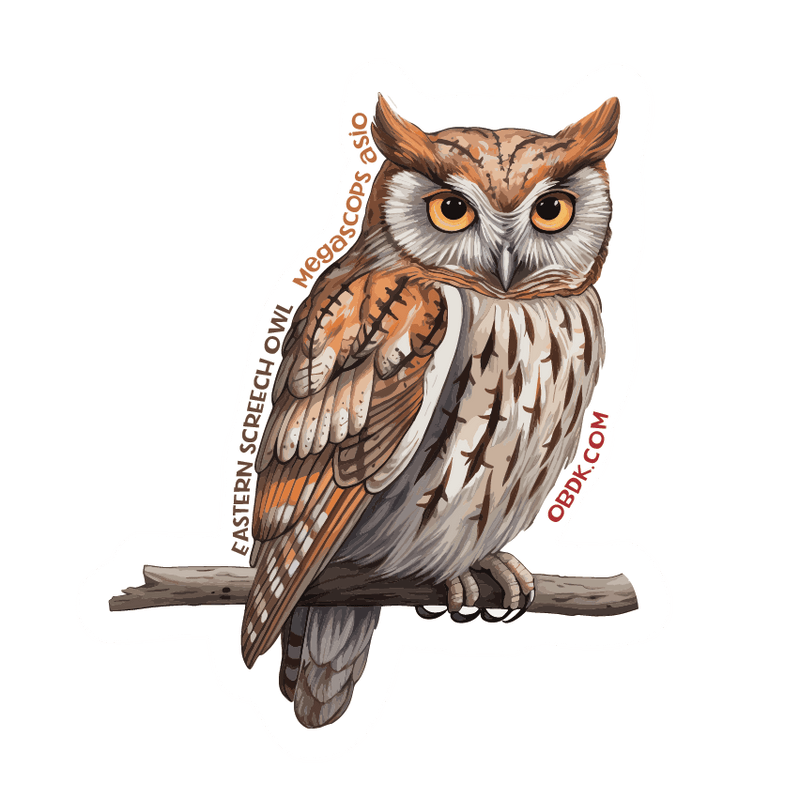
The Eastern Screech Owl is a fascinating bird of prey found throughout the eastern United States. Its distinctive call, unique behavior, and hunting prowess make it an exciting subject of study for bird enthusiasts and scientists alike.
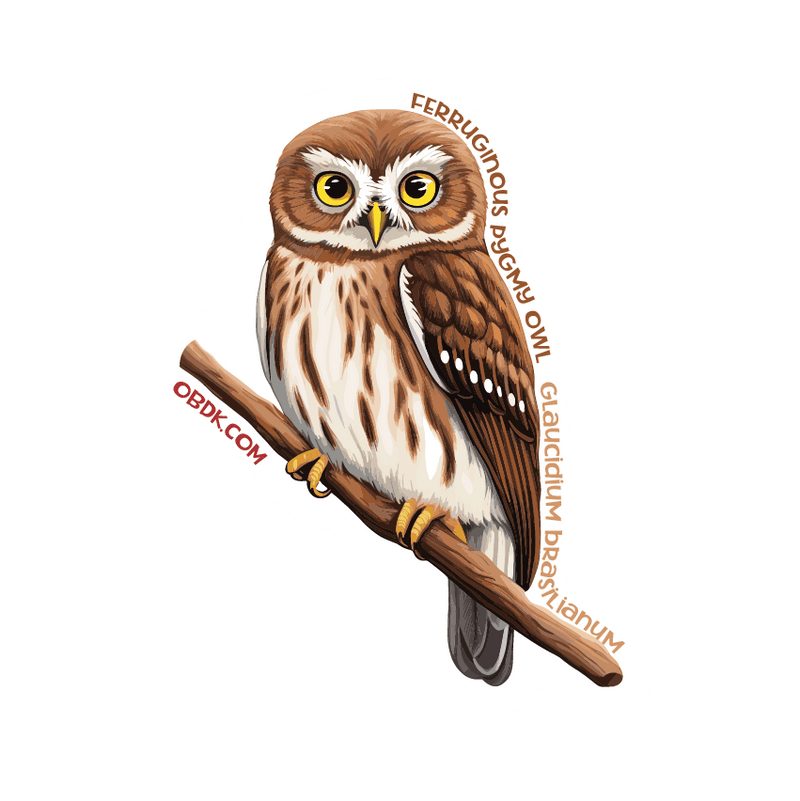
The Ferruginous Pygmy Owl, also known as Glaucidium brasilianum, is a small owl species native to the Americas, found explicitly in Central and South America.