
A Blog You Can Learn From.

A Resource You Can Teach With.

Welcome to Classroom Connections—where every lesson moves from field to classroom. Each post features Ecology Blueprints, real-world Field Notes, and practical Classroom Connections designed to help you teach wildlife science, food webs, anatomy, and ecosystems with confidence.

Explore. Adapt. Teach.

And bring each lesson to life in your classroom—starting today.

Owls and “Beak Hygiene”

Owls don’t brush their beaks, but they maintain them through a natural system of wear, cleaning, and behavior. From tearing prey to wiping and preening, every action helps keep this essential tool sharp and functional—because for an owl, a damaged beak isn’t a small problem, it’s a survival risk.

May 04, 2026
By Chris Anderson
Nest Sites: Owls Don’t Build Nests—They Choose Them

Owls don’t build nests, they choose them. This lesson reframes nesting as a survival strategy, showing how different owl species select sites that protect owlets from weather and predators, stay close to food, and reduce disturbance, and why those choices can decide whether chicks survive to fledge.

February 23, 2026
By Chris Anderson
The Eastern Screech Owl: Small Guardian, Big Impact

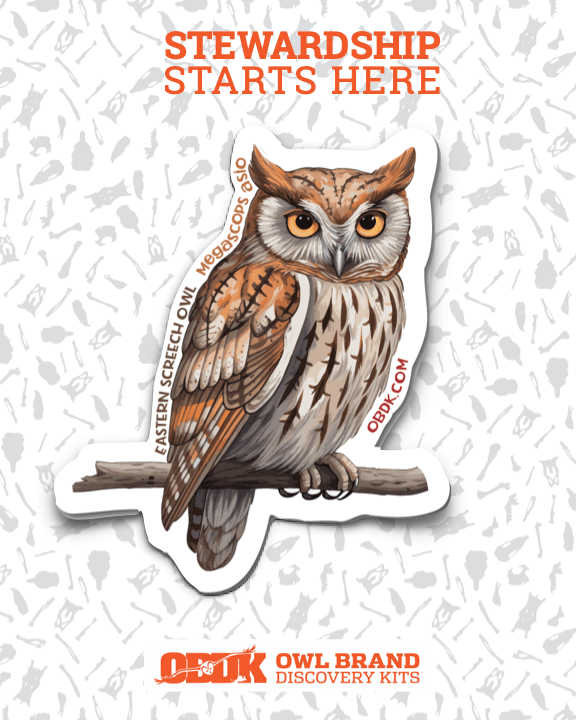
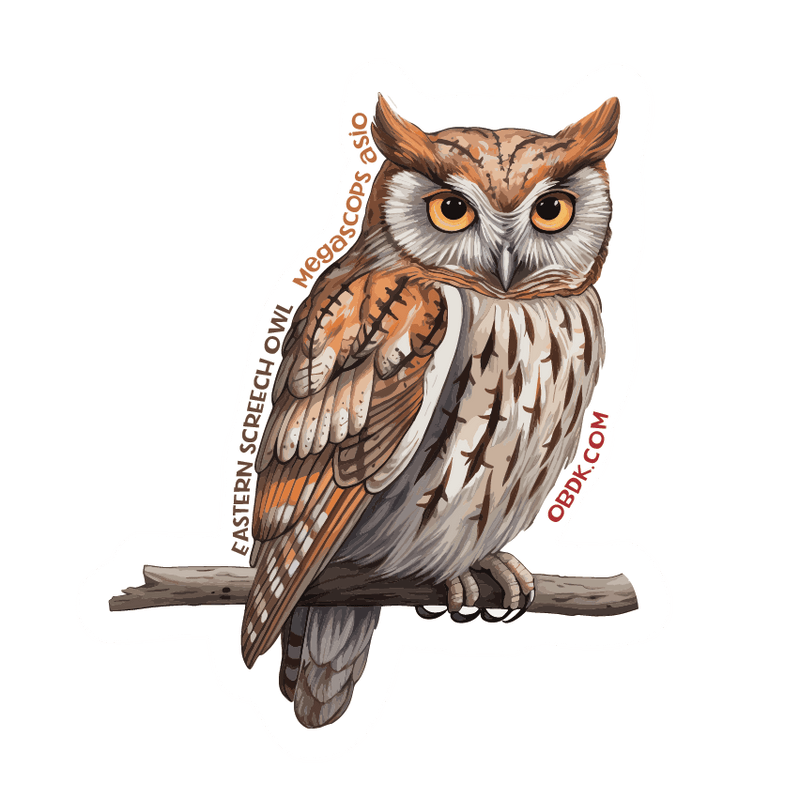
The Eastern Screech Owl (Megascops asio) may be no taller than a pint glass, yet its role in North American ecosystems is anything but small. This adaptable nocturnal hunter thrives in forests, orchards, city parks, and even suburban backyards — wherever trees offer shelter and safe nesting sites.

September 08, 2025
By Chris Anderson
What Owl Has Whiskers?

The Eastern Screech Owl is a fascinating bird of prey found throughout the eastern United States. Its distinctive call, unique behavior, and hunting prowess make it an exciting subject of study for bird enthusiasts and scientists alike.

February 13, 2024
By Chris Anderson
BACK TO TOP