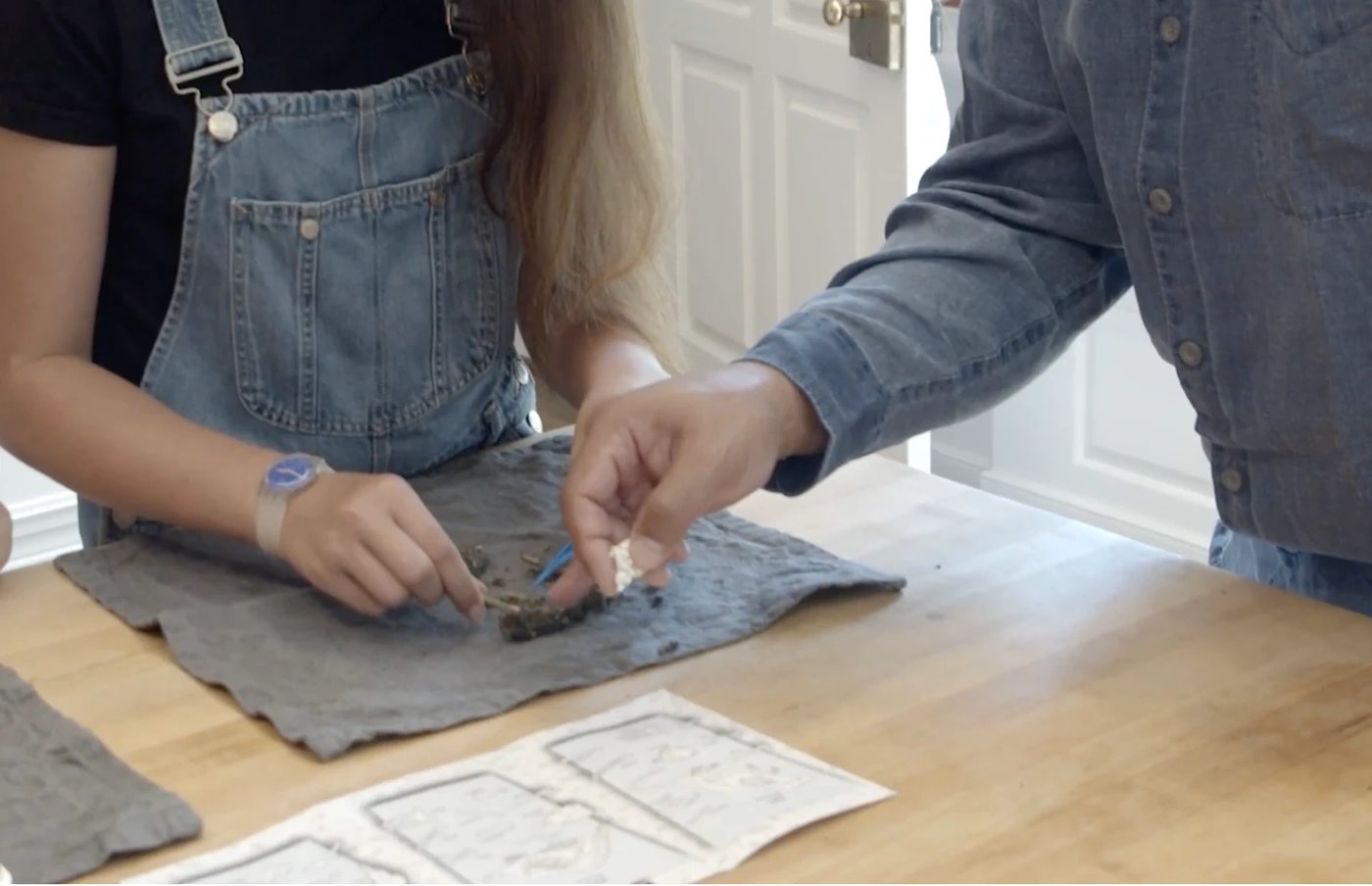
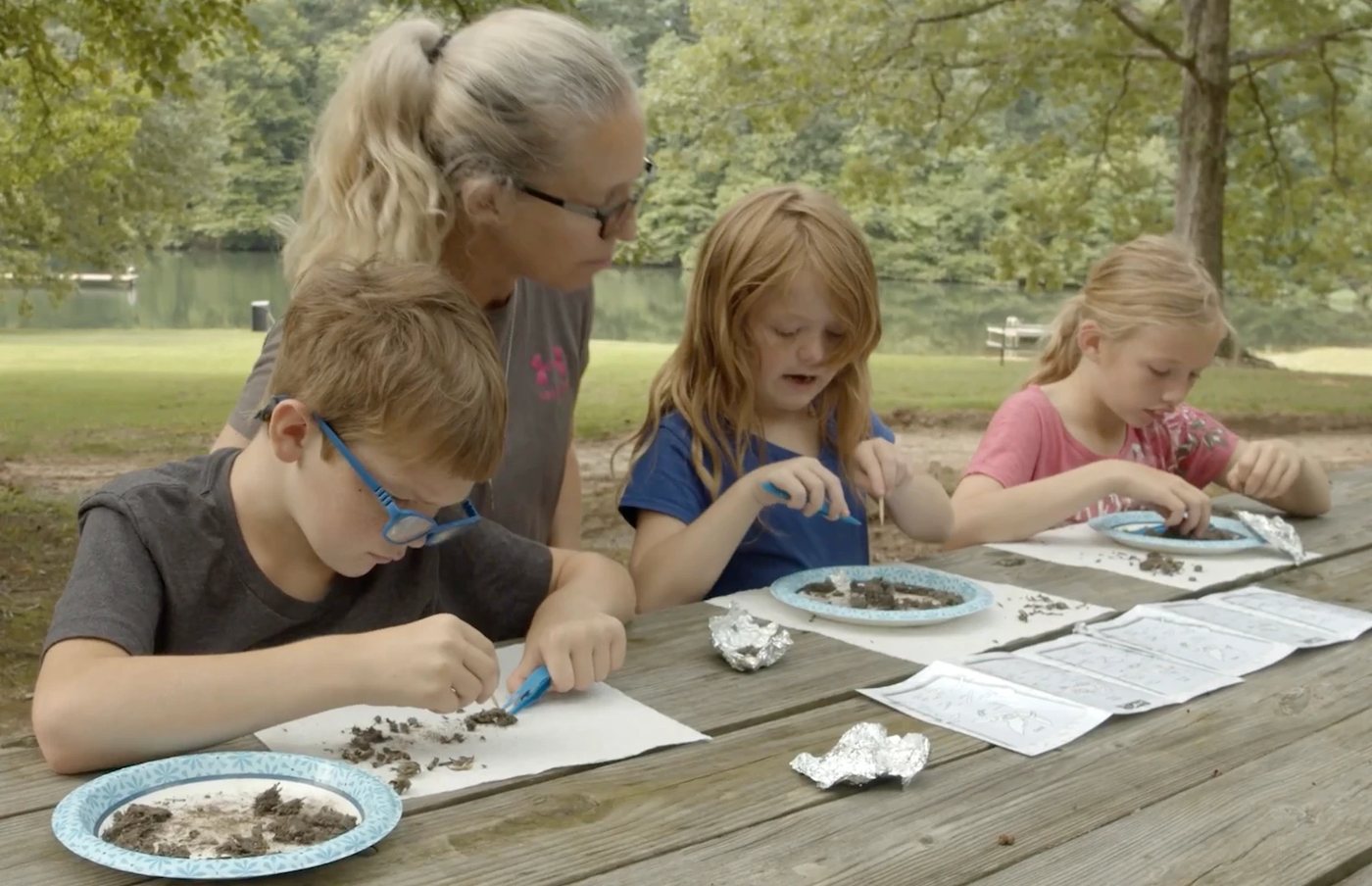
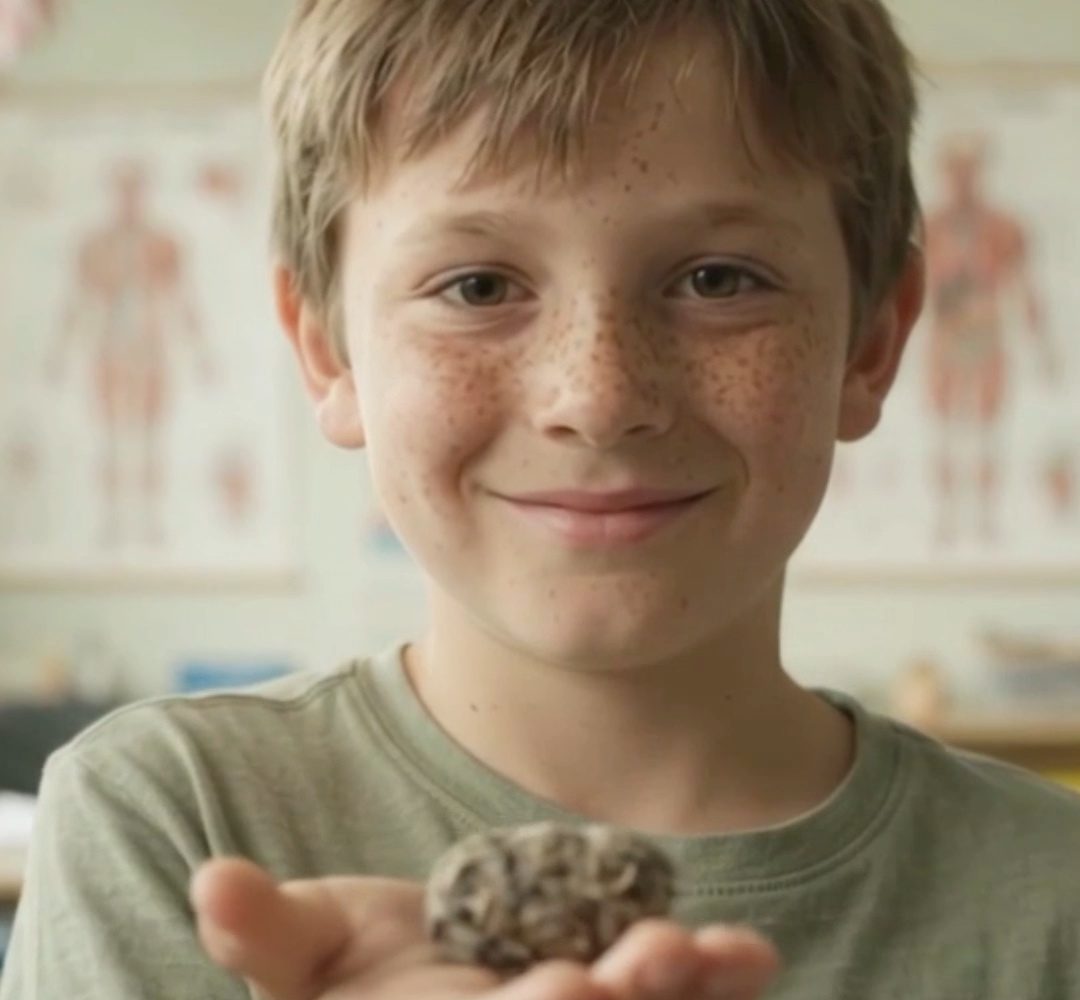
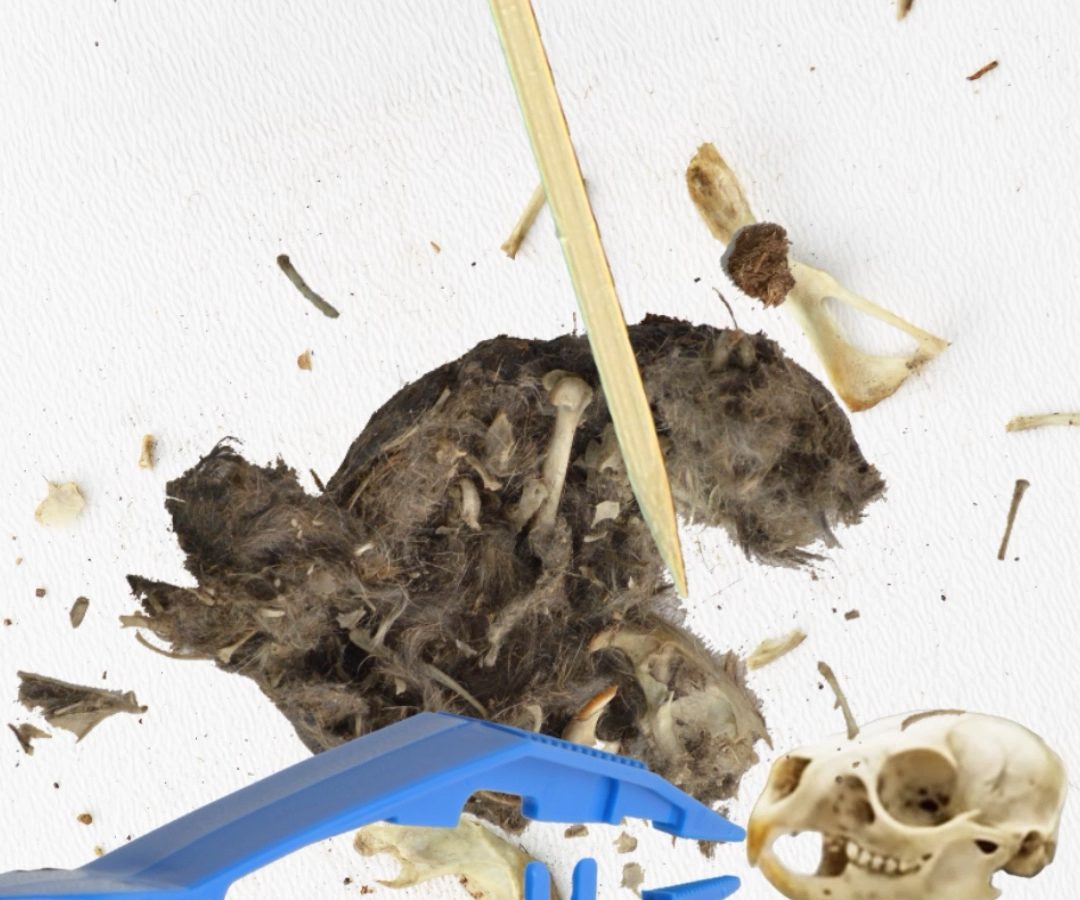
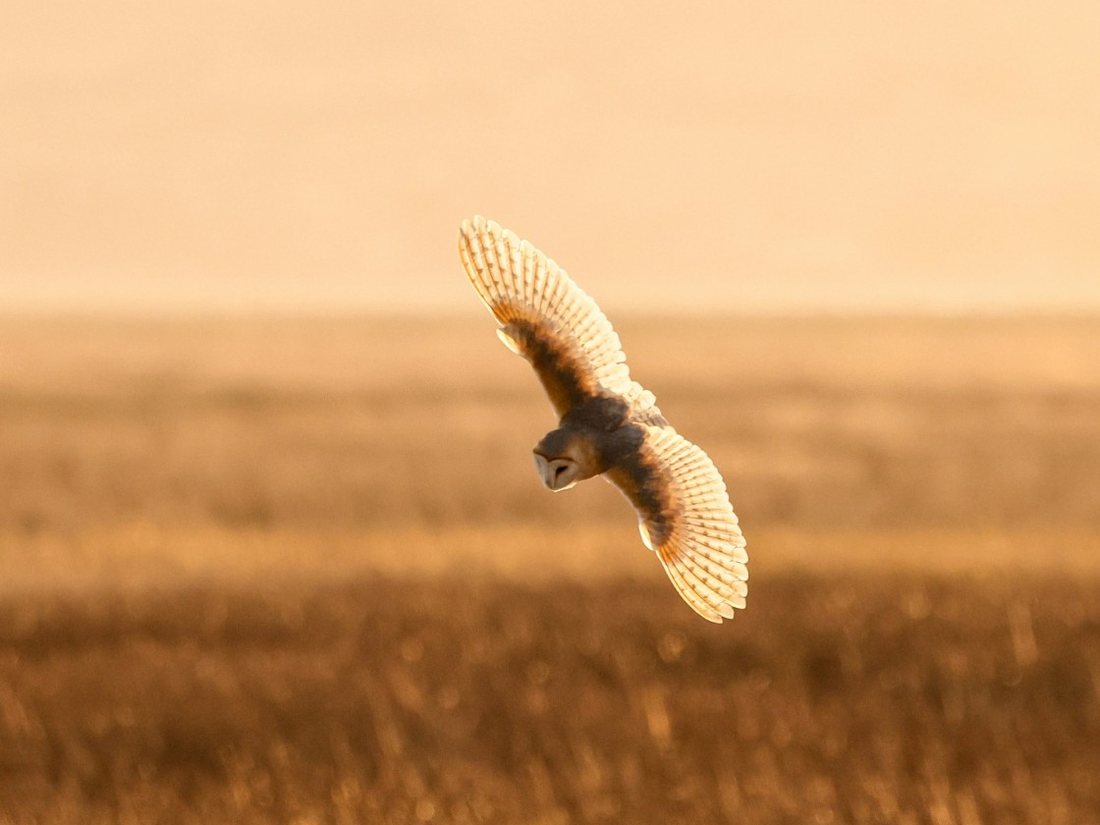
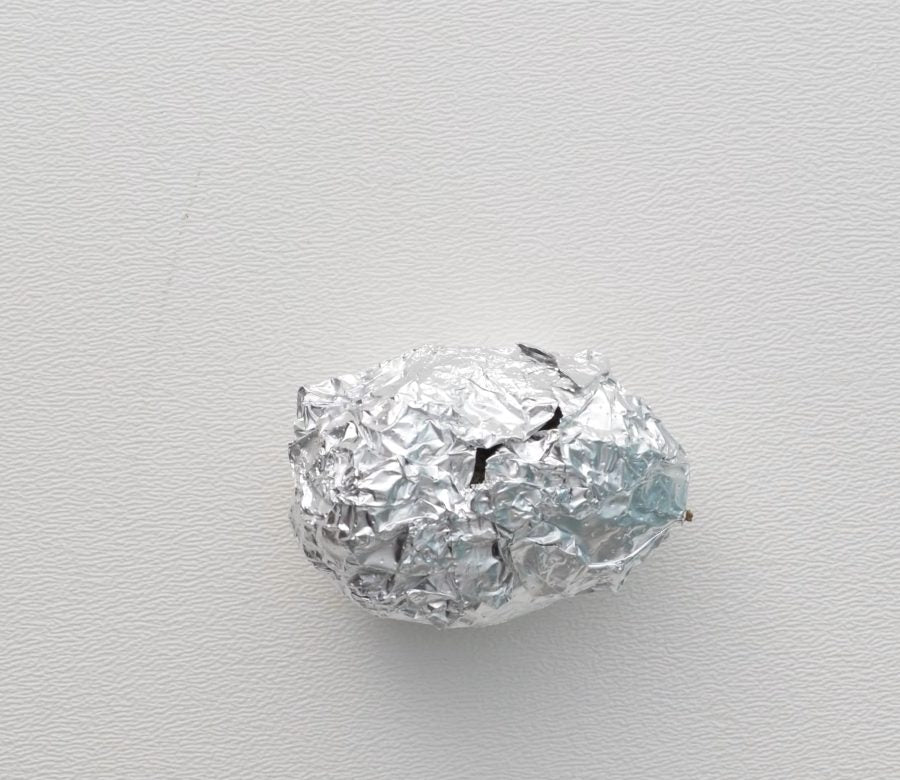
A whole night of hunting, packed into something the size of your thumb. Pull it apart and you find real bones: skulls, jaws, ribs, tiny teeth. They tell you exactly what a barn owl ate.
Trusted by educators for over 30 years400,000 pellets a year13 western states4.7★ on AmazonNGSS in every kitShips in 24hTrusted by educators for over 30 years400,000 pellets a year13 western states4.7★ on AmazonNGSS in every kitShips in 24h
ShopReal pellets · Real bones · Real discovery
Pick your kit.
Everything ships within 24 hours of payment, with free stickers, posters and guides in the box.
📦Owls on a break: order today and your kit ships Monday, November 2. Need it sooner? Our Amazon store ships a few favorites now.
For classrooms · teacher-led
Ecology Foundations Classroom
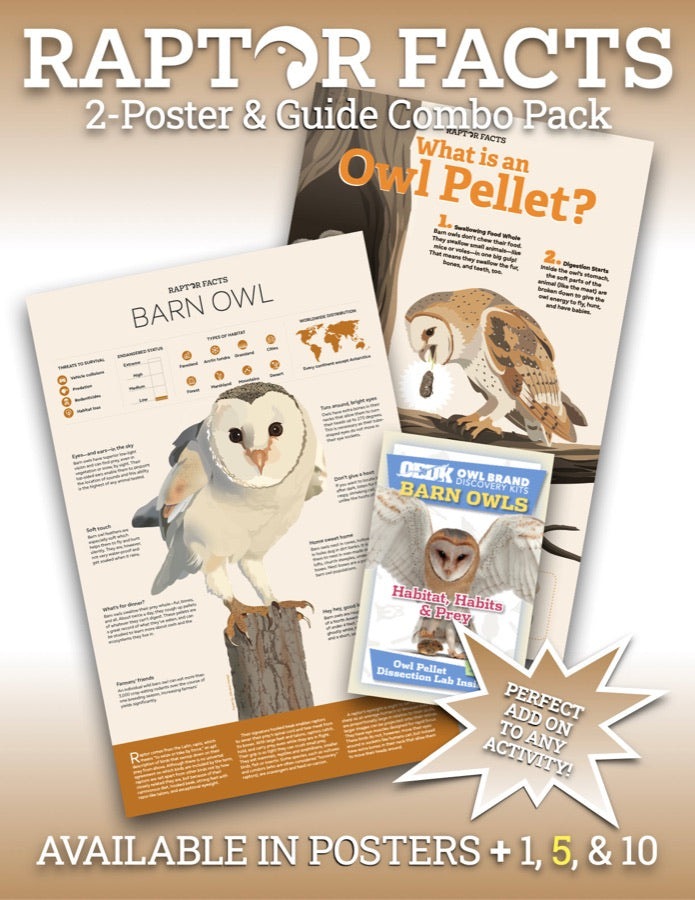
Classroom essentials: pellets, picks, probes, bone ID charts and the Habitat, Habits & Prey teacher’s guide. One pellet per student.
Short films from real kits. Tap any of them for sound.
What’s hiding inside?
The owl pellet lab
Our storyWhere it all started
Trusted science education since 1996.
For decades, OBDK has supported educators and families with safe, sterilized dissection materials. Our mission is to make biological discovery approachable, meaningful, and accessible to all learners.
Millions of pellets in classrooms, nature centers and homes, with a 4.7★ rating on Amazon.
13Western states in our own barn owl pellet collection network
400kSterilized pellets a year, straight from the source
DirectWe supply America’s owl pellet companies. You can buy from us directly.
One pellet, a whole family. Everything else we make grew from that one idea: put real evidence in kids’ hands. Free online labs, an academy for teachers, owl cards, nest boxes and a wolf center all start with a pellet.
Dissect→Explore→Learn→Earn savings on your next kit
QuestionsFor teachers, parents & schools
Are owl pellets safe for kids?
Yes. Every OBDK pellet is sterilized and individually wrapped before it ships, so it’s ready for a classroom or a kitchen table.
What will we find inside?
Mostly fur and the bones of small animals like voles, mice and shrews: skulls, jaws, ribs and leg bones. Every kit includes a bone identification chart to match them up.
Which kit should I choose?
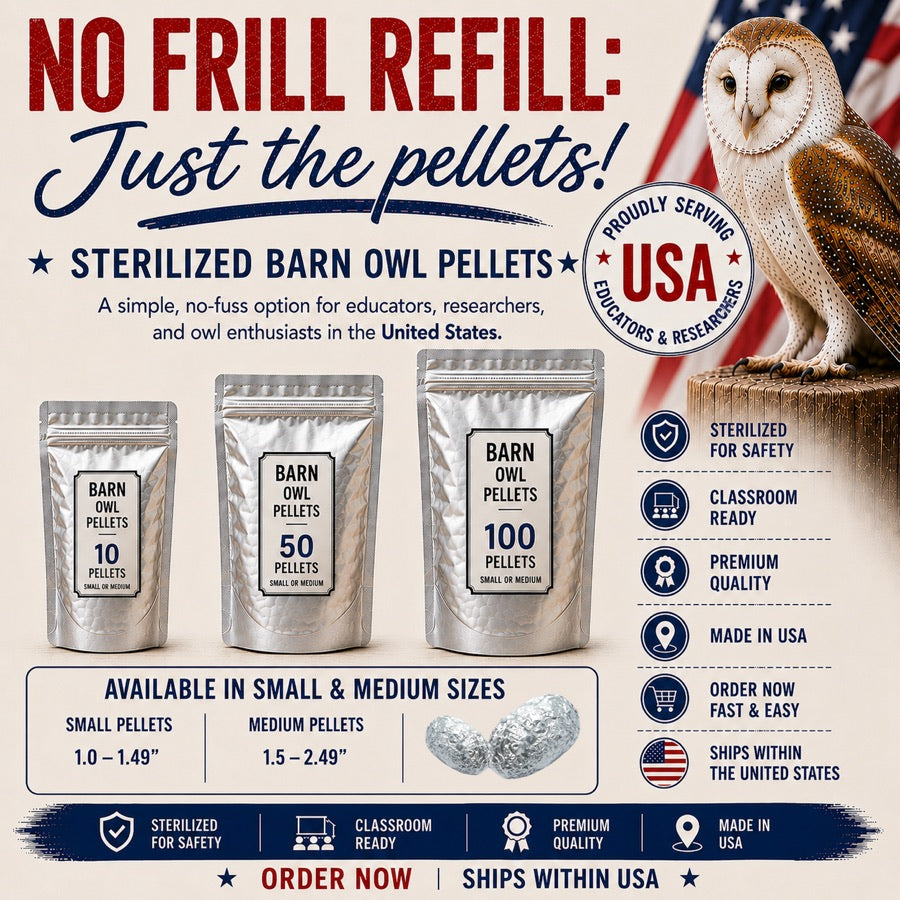
For a whole class led by a teacher, choose Ecology Foundations. For one pellet per student or home learning, choose Biology & Anatomy Solo Essentials. If you already have tools and just need pellets, choose No Frill Refill.
What age is it for?
K-12 classrooms, homeschool, nature centers and university biology labs. NGSS-aligned resources come with every kit.
Where do the pellets come from?
From our own collection network across 13 western states, about 400,000 a year. We also supply other owl pellet companies.



 Bone identification
 Comparative anatomy
 Structure & function
 Taxonomic classification
 Predator–prey relationships
 Food web structure
 Habitat & diet
 Energy transfer