
No Products in the Cart
Cape Vultures, or Gyps coprotheres, can be found in grassland, savanna, and shrubland in South Africa, Lesotho, Botswana, Mozambique, and Namibia.
Where Wildlife, Humans, & Ecology Meet
Ecology Blueprints explores the interconnected systems that link wildlife, humans, and their habitats—through science, observation, and hands-on learning.
Because no organism exists alone. When you understand food webs, habitat, and pressure, the species make sense. Ecology isn’t about memorizing animals—it’s about understanding relationships and outcomes.
Cape Vultures, or Gyps coprotheres, can be found in grassland, savanna, and shrubland in South Africa, Lesotho, Botswana, Mozambique, and Namibia.
When you think of hibernation, you probably think of bears, right? But did you know that there are a bunch of other North American animals that hibernate or enter a similar state during the winter?.
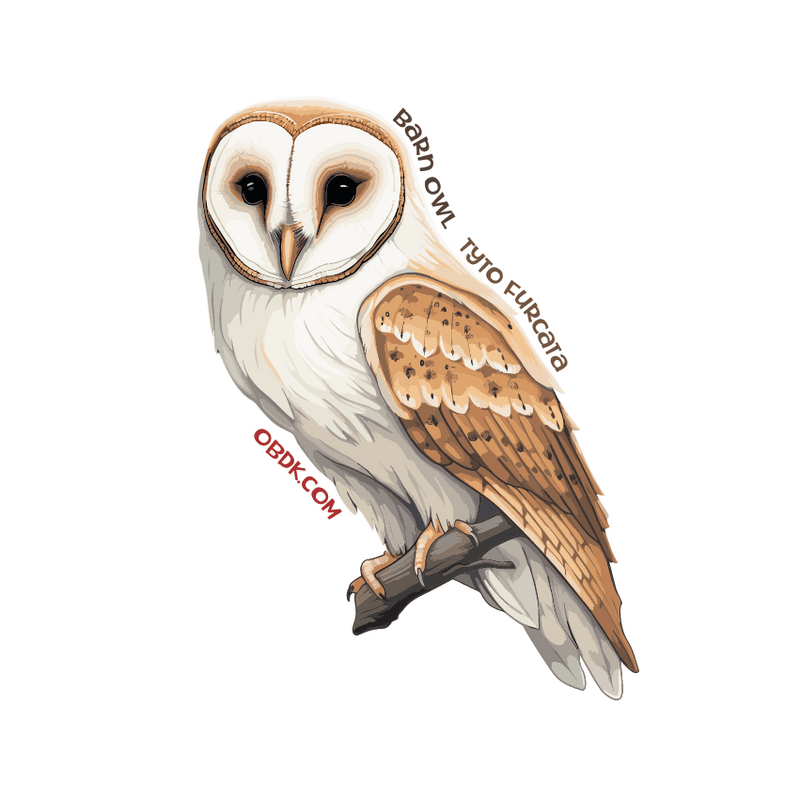
Halloween is almost here – as we celebrate, we’ll often see images and portrayals of certain bird species for decorations. Vultures, owls, crows, and ravens are all considered "spooky" birds.
Vultures are scavengers – but so are many other animals, like hyenas, seagulls, raccoons, crabs, and great white sharks. These animals play a significant role in their environments.
Lappet-faced Vultures have dark feathers and pink heads. 1 They are the biggest vulture that can be found in Africa.
Check out a recent event we hosted!Passport to Wildlife, hosted by Owl Brand Discovery Kits, greeted over a hundred families and 250 children at the Point Defiance Zoo and Aquarium Zoo Boo on Saturday, October 15 in Tacoma, Washington.
Previously, we’ve talked about the White-backed Vulture. Today, we’re going over the White-rumped Vulture! White-rumped vultures, or gyps bengalensis, are a species of Old World vultures.
As temperatures rise or lower with the changing seasons, we as humans tend to adjust to the weather with our clothing – wearing heavy jackets when it snows or shorts when it’s hot out.
*|MC:SUBJECT|* *|MC_PREVIEW_TEXT|* Have you heard of the Hooded Vulture? These vultures are part of the Accipitridae family and are an Old World vulture species.
*|MC:SUBJECT|* *|MC_PREVIEW_TEXT|* Do you know the difference between horns and antlers? Antlers: Are on animals like deer, moose, and elk – this is the Cervidae family1&2 Grow from the top, instead of the base2 Are shed every year, and grow the same way each year3 Are used to display dominance by males during breeding season3 Horns: Are on animals like cows, goats, and sheep – this is the Bovinae family1&3 Are found on both males and females1 Grow from the base and are permanent1 Are covered in keratin1 Big antlers signal that a male is healthy because it takes a lot of energy to grow them.
*|MC:SUBJECT|* *|MC_PREVIEW_TEXT|* We have an interesting vulture for you today – the Palm-nut Vulture! These vultures stand out from others because they actually don’t eat a lot of carrion.
*|MC:SUBJECT|* *|MC_PREVIEW_TEXT|* How much do you know about bobcats? Did you know… They’re one of the most populous cats within the US1 They’re nocturnal and begin to hunt at dusk2 Their fur is unique to each individual and can be used to identify them3 They stand 26-41 inches tall and weigh 11-30 pounds.