
No Products in the Cart
Have you ever happened across a bird’s nest or a baby bird on the ground and not known what to do?Maybe you’ve heard that if you touch an egg or a baby bird then the parents will abandon it.
Where Wildlife, Humans, & Ecology Meet
Ecology Blueprints explores the interconnected systems that link wildlife, humans, and their habitats—through science, observation, and hands-on learning.
Because no organism exists alone. When you understand food webs, habitat, and pressure, the species make sense. Ecology isn’t about memorizing animals—it’s about understanding relationships and outcomes.
Have you ever happened across a bird’s nest or a baby bird on the ground and not known what to do?Maybe you’ve heard that if you touch an egg or a baby bird then the parents will abandon it.
Ever wonder what it takes to film wildlife in their natural habitat? Alan Lacy knows and he takes you on the journey with him in his youtube series, Filming the Wild.
Short-Eared Owls stand between 13. 5 and 17 inches tall with a wingspan of 33.
Certain criteria needs to be met for animals to make an area their home. We’ve seen this with bears choosing their dens for the winter and owls choosing their nesting sites.
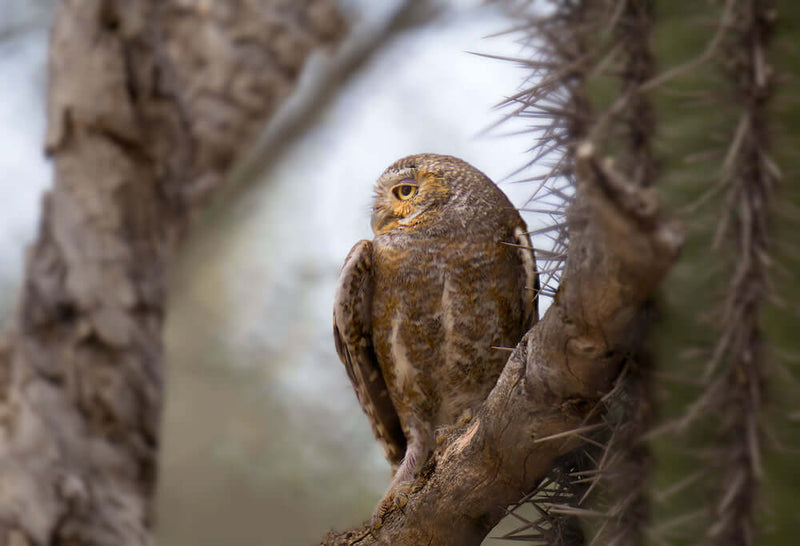
Elf owls are the smallest type of owl. They only stand around five inches tall, and weigh between one ounce to an ounce and a half.
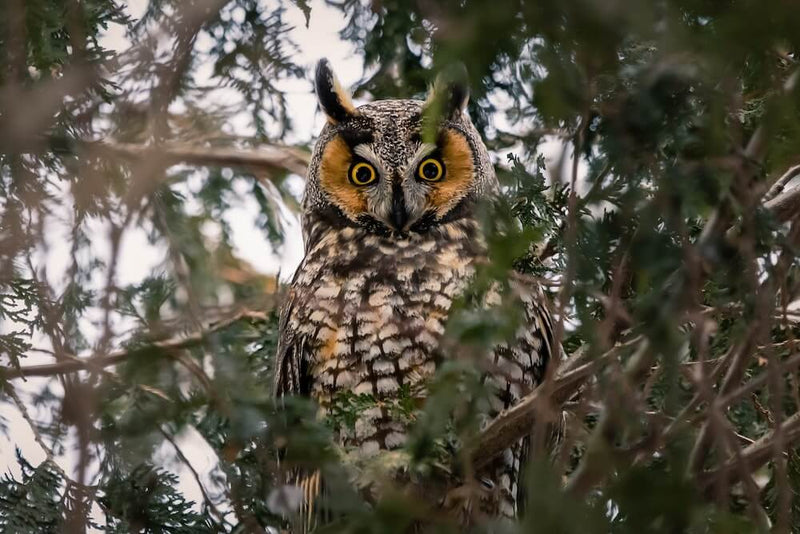
Long-Eared Owls are medium-sized owls that have very long ear tufts. They can be found in various regions from North America to the Middle East to Northern Africa.
With one of the biggest family holidays only days away, we thought it’d be fun to dive into owl families! We’re quickly approaching the time of year where owls will start picking the mates with whom they want to have clutches in springtime.
What’s important to you in a home? Is it safety? Or comfort? Do you prefer to live in a certain area over another? Or have your bedroom face East or West? When it comes to choosing their homes, barn owls aren’t super picky.
Native to the American Southwest, Elf Owls are slightly larger than a soda can, but that doesn't stop them from being determined predators. Source: Audubon Field Guide.