
No Products in the Cart
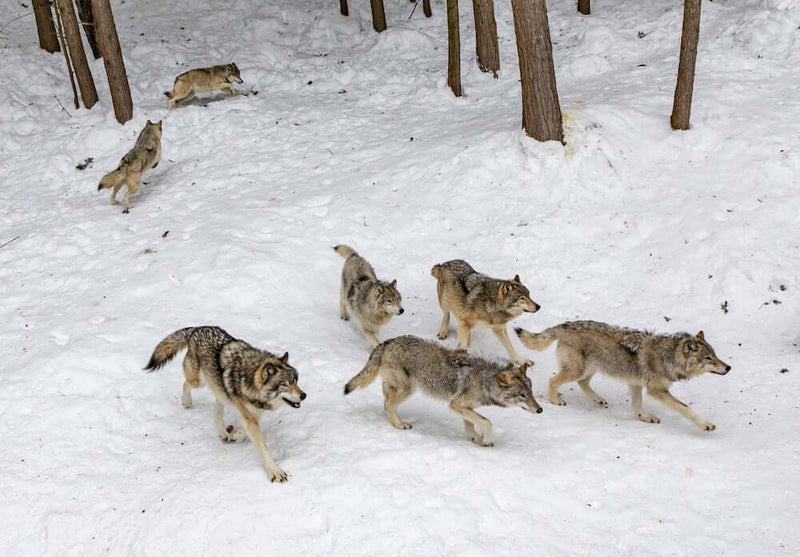
While it may seem odd that a wolf would leave their pack and go off on their own, it’s actually essential to the survival of the species overall.
Welcome to Classroom Connections—where every lesson moves from field to classroom. Each post features Ecology Blueprints, real-world Field Notes, and practical Classroom Connections designed to help you teach wildlife science, food webs, anatomy, and ecosystems with confidence.
And bring each lesson to life in your classroom—starting today.
While it may seem odd that a wolf would leave their pack and go off on their own, it’s actually essential to the survival of the species overall.
A wolf’s fur is really important. It helps them survive the harsh elements they face in their environments.
Wolves are incredibly important carnivores. Although they’ve been considered dangerous by many and have been hunted for centuries, wolves actually have a very positive impact on their environments.
Starting a career in biology is hard. It’s easy to feel lost.
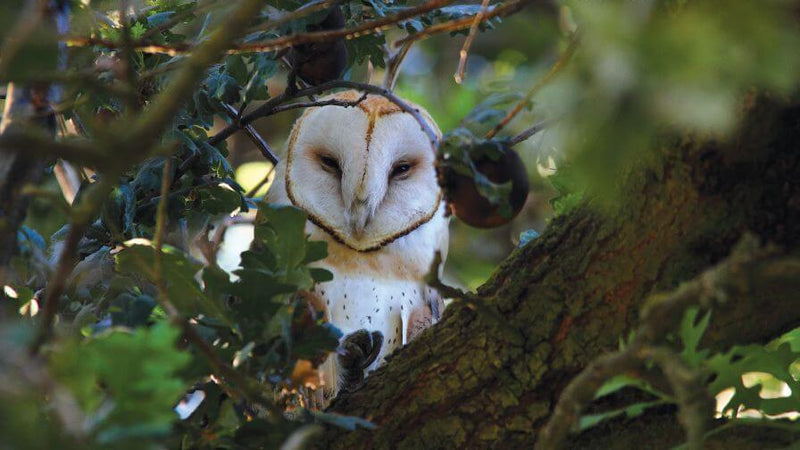
The researcher checking into using barn owls as a natural form of vertebrate pest control, Sara Kross, Assistant Professor at the University of California, Davis’ Department of Wildlife, Fish and Conservation Biology, conducted her studies in California’s Central Valley.
The Canis lupus occidentalis which also goes by the Mackenzie Valley wolf, the Alaskan timber wolf, the Canadian timber wolf, or the rocky mountain wolf, was classified as a gray wolf subspecies in 1829 by Sir John Robinson, M.