
No Products in the Cart
Why Do Owls Have Facial Discs? The Satellite Dish Built Into Their Face

Hook: An owl’s face is not just a face.
It is a satellite dish.
That round, heart-shaped, or moonlike face students notice first? It is made of specialized feathers that help gather sound and aim it toward the owl’s ears.
So when an owl turns its head in the dark, it is not only looking. It is listening with its whole face.
For students, that changes everything. The owl stops being a spooky night symbol and becomes something much better: a living sound machine, built for careful detection.
The Face That Catches Sound
An owl’s facial disc is the flat or rounded arrangement of feathers around its eyes and beak.
Those feathers are not random fluff. They are stiff, curved, and arranged in a way that helps collect, shape, and funnel sound.
Think of it like this:
Big dish: catches faint sounds from the environment.
Curved feathers: guide sound toward the ear openings.
Face shape: helps sharpen direction.
Head movement: fine-tunes the sound target.
That is why the satellite dish comparison works so well. The owl’s face helps gather signals that might otherwise be too quiet to notice.
Where Are the Ears?
Here is the surprise: an owl’s ears are not the little feather tufts some students call “ears.”
Those tufts, found on species like great horned owls, are feathers. The real ear openings are hidden on the sides of the head, under the facial disc feathers. In many owl species, the ear openings are also asymmetrical. One may sit slightly higher or lower than the other.
That mismatch is useful.
Left-right clues: which ear hears the sound first?
Loud-soft clues: which ear hears it more strongly?
Up-down clues: how does the sound hit each ear differently?
The facial disc helps deliver the sound. The ears and brain help interpret it. Face, ears, brain: one listening system.
Hunting When Eyes Are Not Enough
Owls have excellent vision, especially in low light. But darkness is still darkness.
A mouse under grass may not be visible. A vole beneath leaves may only make a tiny rustle. Snow, wind, and shadows can hide movement. That is where the facial disc becomes a survival tool. It helps owls notice small sounds like:
feet moving through dry grass
teeth nibbling seeds
leaves shifting under a small body
prey moving below light cover
Owls are not using sound instead of sight. They are often using sound and sight together.
That is a better lesson for students: animals rarely survive because of one superpower. They survive because several adaptations work as a team.
The Head Tilt Is a Clue
Have students watch a video of an owl listening. They may notice the head tilts first. That movement can look curious or even silly, but it is full of information. By turning, lifting, and tilting its head, an owl can compare how sound changes from one angle to another.
Small turn: checks direction.
Head tilt: tests height or angle.
Long pause: listens before moving.
Sudden strike: acts when the sound map is clear enough.
It is a clue, not a rule. But listening behavior is one of the best ways to show students that stillness can be active. An owl sitting quietly may be doing a lot.
Why Barn Owls Look So Heart-Shaped
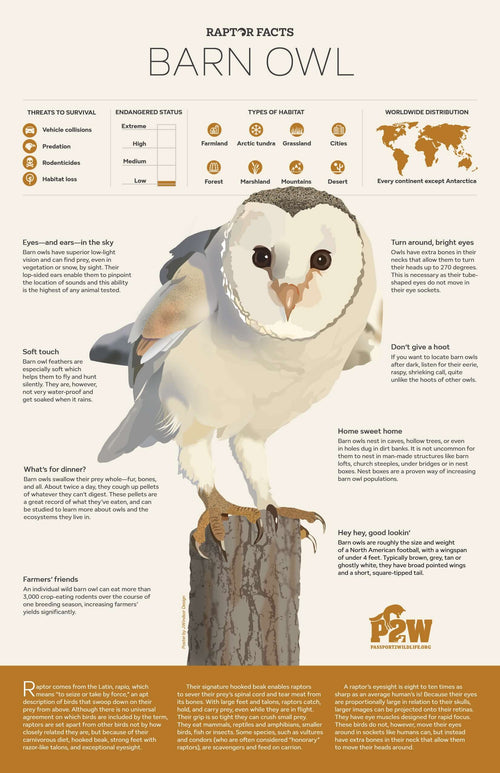
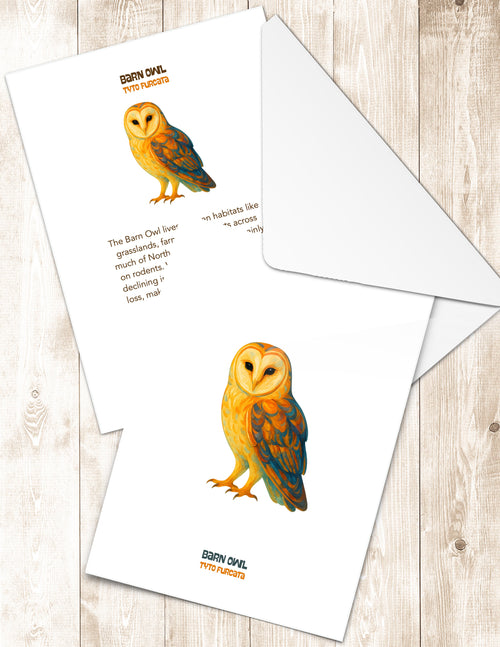
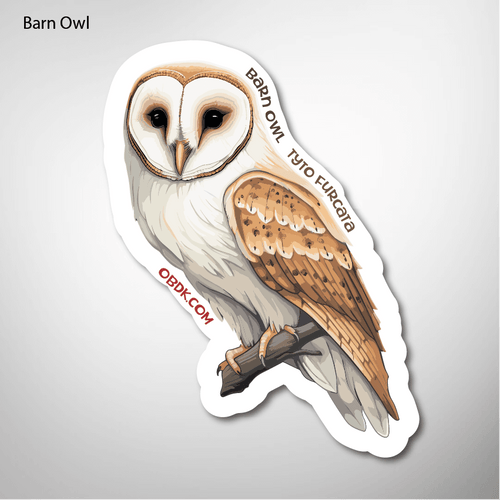
The barn owl is a perfect facial disc example because its pale face is so dramatic.
That heart-shaped disc helps frame the eyes and direct sound toward the hidden ears. Combined with sensitive hearing and silent flight, it makes the barn owl an excellent hunter of mice, voles, and other small animals in open fields and farm edges.
But again, keep the science careful. The face does not “magically” find prey. It improves sound collection, while the owl’s ears, brain, wings, feet, and hunting behavior all contribute.
The facial disc is one important part of a larger hunting system.
Classroom Connection: “The Sound Dish Test”
This low-prep activity lets students feel the idea before you explain it.
Materials
A quiet classroom or hallway
A small sound maker, like keys, paper, or a pencil tap
Student hands
Optional: a fan or soft background noise
Step-by-step
Round 1: One student closes their eyes while another makes a quiet sound from somewhere in the room.
Round 2: The listener cups both hands behind their ears, like larger sound collectors.
Round 3: Try again with gentle background noise.
Record: Was the sound easier to hear, louder, or easier to locate?
Ask students:
What changed when you cupped your hands?
Did sound feel more focused?
Was direction easier or harder with background noise?
How is this like an owl’s facial disc?
Then make the important connection: cupped hands are not owl feathers. But they help students model the same big idea — shape can change how sound reaches the ear.
Teacher Takeaway
An owl’s facial disc is not just decoration. It is a sound-collecting structure that helps funnel faint noises toward hidden ear openings.
When students understand that, they see owl anatomy differently. The face becomes evidence. The head tilt becomes data. The quiet becomes active hunting behavior. So the next time students look at an owl face, ask them:
What is this face built to hear?