
No Products in the Cart
Nest Sites: Owls Don’t Build Nests—They Choose Them

Owls aren’t decorators. They’re real estate agents.
If you’ve ever watched a robin weave a nest like it’s auditioning for a tiny HGTV show, owls will feel… underwhelming.
Owls don’t show up with twigs and a vision board.
Most of the time, they show up with one question:
“Is this place safe, dry, and close to dinner?”
That’s the owl nesting strategy in a sentence. They’re not builders—they’re choosers. And that choice can decide whether owlets survive storms, predators, and the hardest phase of all: learning to hunt before the season turns again.
The Big Idea: A Nest Site Is a Survival Strategy
For owls, a nest isn’t a craft project. It’s a safety plan.
A good nest site does four things:
- 1. Protects eggs and owlets from weather (rain, wind, late cold snaps)
- 2. Reduces predation risk (from raccoons to other raptors)
- 3. Keeps disturbance low (especially during incubation and early chick growth)
- 4. Sits near reliable hunting routes (because hungry owlets don’t pause for convenience)
When students understand that, nesting becomes less “cute animal behavior” and more “ecosystem engineering.”
Meet the Nesting Styles
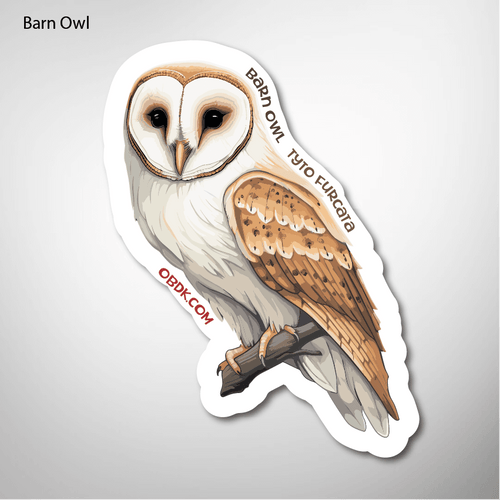
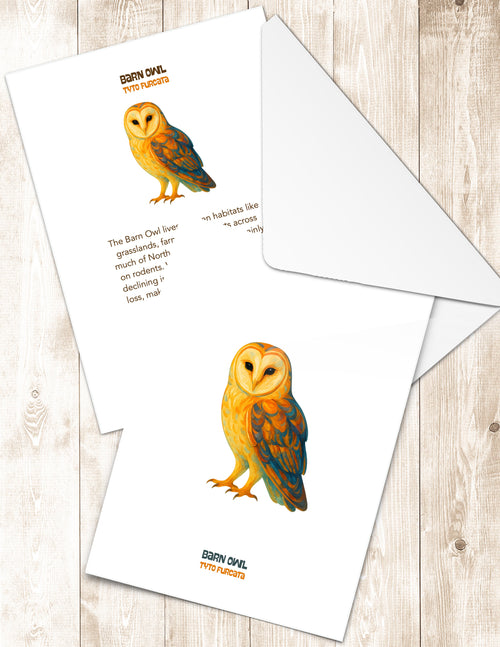
a. Barn Owl: The Barn-and-Box Specialist
Nest choice: barns, silos, old buildings, rafters, cliff hollows, and nest boxes
Barn Owls are the poster child for “use what’s available.” They’ll raise owlets in human structures because those structures often provide exactly what they need: dry shelter and nearby hunting over open ground.
Why it matters:
Barn Owls usually hunt fields, edges, and grassland corridors. A nest near open habitat means shorter food delivery routes—more prey delivered, more often, with less energy spent.
Student-friendly phrase:
Barn Owls choose “roof + rodents.”
b. Great Horned Owl: The Takeover Tenant
Nest choice: old hawk nests, crow nests, squirrel nests; sometimes ledges and platforms
Great Horned Owls are famous for not building nests. They move into existing stick nests like they’re arriving with a lease signed and a confidence level set to 100.
Why it matters:
This strategy lets them start nesting early and invest energy in defending territory and feeding chicks instead of construction. But it also means their success depends on other species having built nests in the first place.
Student-friendly phrase:
Great Horned Owls choose “already built.”
c. Barred Owl: The Cavity Classic
Nest choice: tree cavities, broken-top trees, large old trees; sometimes old nests
Barred Owls lean on mature forest structure. A deep cavity provides weather protection and concealment—especially important in wetter habitats where Barred Owls often thrive.
Why it matters:
Cavity nesting ties Barred Owls to places that still have older trees and natural cavities. Remove those, and you remove the housing market.
Student-friendly phrase:
Barred Owls choose “old trees with rooms.”
d. Screech-Owl: The Small-Space MVP
Nest choice: tree cavities and nest boxes (often in “habitat pockets”)
Screech-Owls are small enough to use smaller cavities, and they often do well where people are—if cavities or nest boxes exist.
Why it matters:
Because they can use nest boxes readily, Screech-Owls are a great example of how conservation sometimes looks like a simple infrastructure fix: give a safe cavity, keep some cover, and reduce hazards.
Student-friendly phrase:
Screech-Owls choose “tiny door, safe inside.”
Why Nest Choice Changes Everything for Owlets
Owlets are essentially:
- high appetite
- low mobility
- zero hunting skills
Which means nest site decisions affect:
- Thermoregulation: cold and wet can be deadly for small chicks
- Predator exposure: easy access = higher risk
- Food delivery: long trips = fewer deliveries and more tired parents
- Fledging success: safe branching areas and nearby cover increase survival
A nest isn’t just where owlets start life.
It’s how their odds get set.
Field Notes: Signs a Nest Site Might Be Active (Observe From a Distance)
You don’t need to approach nests to teach nesting ecology. In fact—please don’t. March is sensitive season.
Instead, look for:
- repeated flight paths at dusk
- a “guard owl” perched near one spot
- pellets accumulating under a consistent perch (roost signs)
- calling concentrated in one area
Teach this clearly: roost evidence is different than nest access. We observe. We don’t interfere.
Classroom Connection
Nest Match Challenge: “Where Would This Owl Raise a Family?”
This activity turns nesting strategy into evidence-based reasoning—students love it because it feels like a puzzle.
Materials
- Species cards (Barn Owl, Great Horned Owl, Barred Owl, Screech-Owl)
- A habitat map (simple drawing works): include barn, open field, forest edge, mature forest, cavity tree, nest box, creek corridor, neighborhood park
- Evidence tokens (optional): “predator risk,” “weather protection,” “near prey,” “low disturbance”
Step-by-step
- 1. Put students in groups and give each group the four owl species cards.
- 2. Give them the habitat map.
- 3. Their job: match each owl to the best nest site and write a defense.
Required evidence prompts
Students must justify using at least three of these:
- shelter/weather protection
- predator risk
- proximity to hunting habitat
- species nesting style (cavity vs takeover vs barn/box)
- disturbance level
CER-style mini-write (quick)
Claim: “The best nest site for ____ is ____.”
Evidence: “Because it provides ___, ___, and ___.”
Reasoning: “This matters because owlets need ___ and adults must ___.”
Extension (optional)
Introduce a “problem card”:
- stormy spring
- loss of cavities
- increased disturbance
- rodent decline near the barn Groups revise their match and explain the change.
The Takeaway
Owls don’t build nests because they don’t need to.
They need the better skill: choosing the right place at the right time, a spot that protects owlets and keeps dinner within commuting distance.
So the next time students imagine an owl “making a nest,” you can tell them the truth:
Owls aren’t decorators.
They’re real estate agents—with very high standards and very hungry clients.