No Products in the Cart


Also Available In:
By examining the remains of what owls have eaten, students and curious observers gain direct insight into predator behavior, food webs, and the surrounding environment. Each pellet is a small biological archive — a hands-on opportunity to explore the natural world in a way that textbooks simply cannot replicate.
Dissecting an owl pellet builds observation skills, sparks curiosity, and creates an engaging activity that families, classrooms, and friends can explore together.
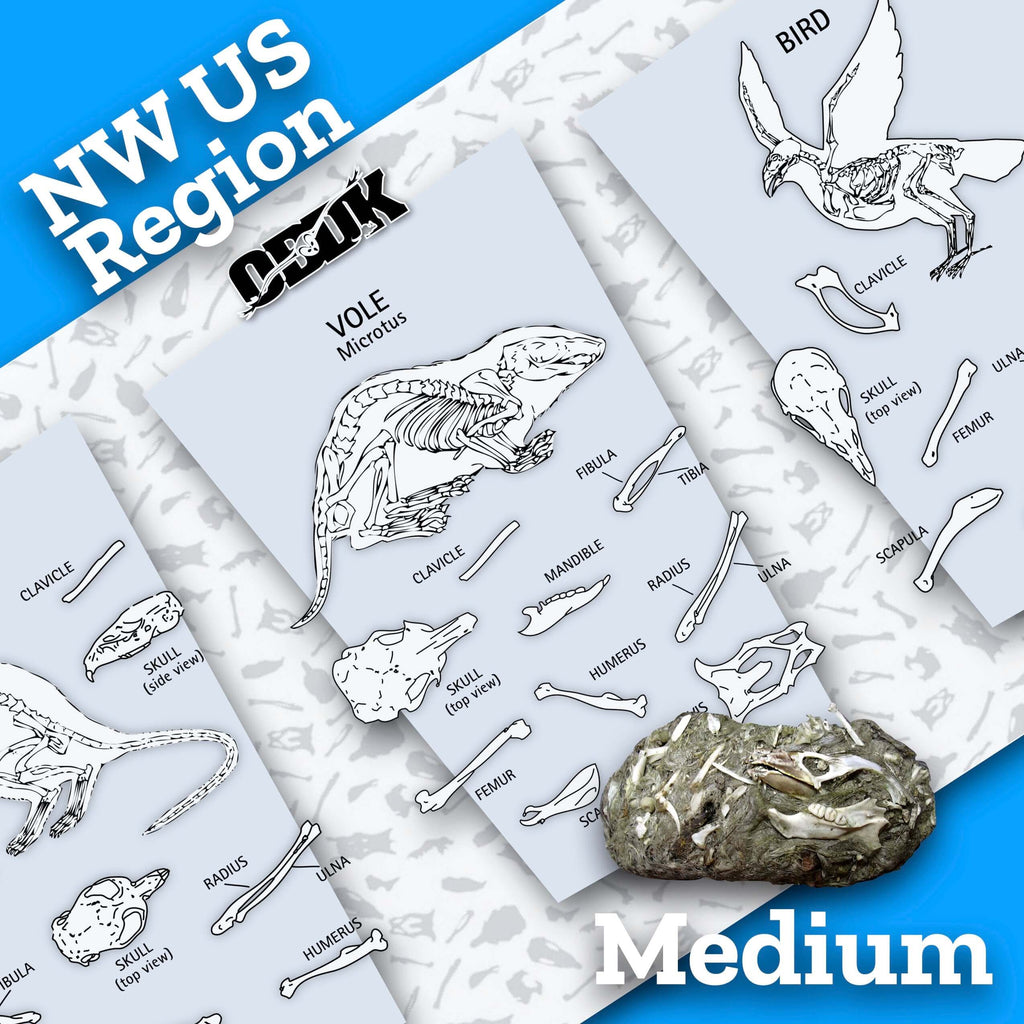
Sterilized barn owl pellets from Owl Brand Supply Company and Owl Brand Discovery Kits are available in three sizes and originate from two regions of the United States — the Northwest and the Southwest. Each product listing describes the specific pellet size and region in detail.
A helpful rule of thumb: the larger the pellet, the more prey remains it typically contains.
Barn owls are opportunistic hunters, and their diet reflects the environment and season in which they hunt. Across most regions, voles make up more than 80% of the barn owl diet, but seasonal changes introduce fascinating variations in the contents of pellets.
During winter months, prey diversity tends to narrow. Pellets collected during this time most commonly contain rodents and small birds, reflecting the limited availability of other prey.
As spring brings new plant growth and expanding animal populations, the barn owl’s diet becomes more diverse. Pellets gathered during this season often include rodents, small mammals, and insects.
Students sometimes discover colorful exoskeleton fragments from beetles, grasshoppers, ladybugs, and other insects, offering a glimpse into the complexity of the food web.
Summer pellets are often the most diverse of the year. As young mammals born in spring grow larger and more active, they become more common prey. Pellets from this season may contain a wide variety of bones from rodents and other small mammals.
In parts of the Southwest, fall conditions introduce unique prey items. As rivers and creek beds dry, barn owls may prey on crawfish and have also been known to capture snakes, lizards, and frogs. Any small, night-active reptile or amphibian may find itself on the owl’s menu.
Every pellet tells a story — not only about what the owl ate, but also about the season, habitat, and ecological relationships within that environment. When students dissect a pellet, they are doing more than identifying bones. They are reconstructing a moment in the life of a wild predator and the ecosystem it inhabits.
I love the product! Worked well. Your company does a lot! Thanks for the sticker!!
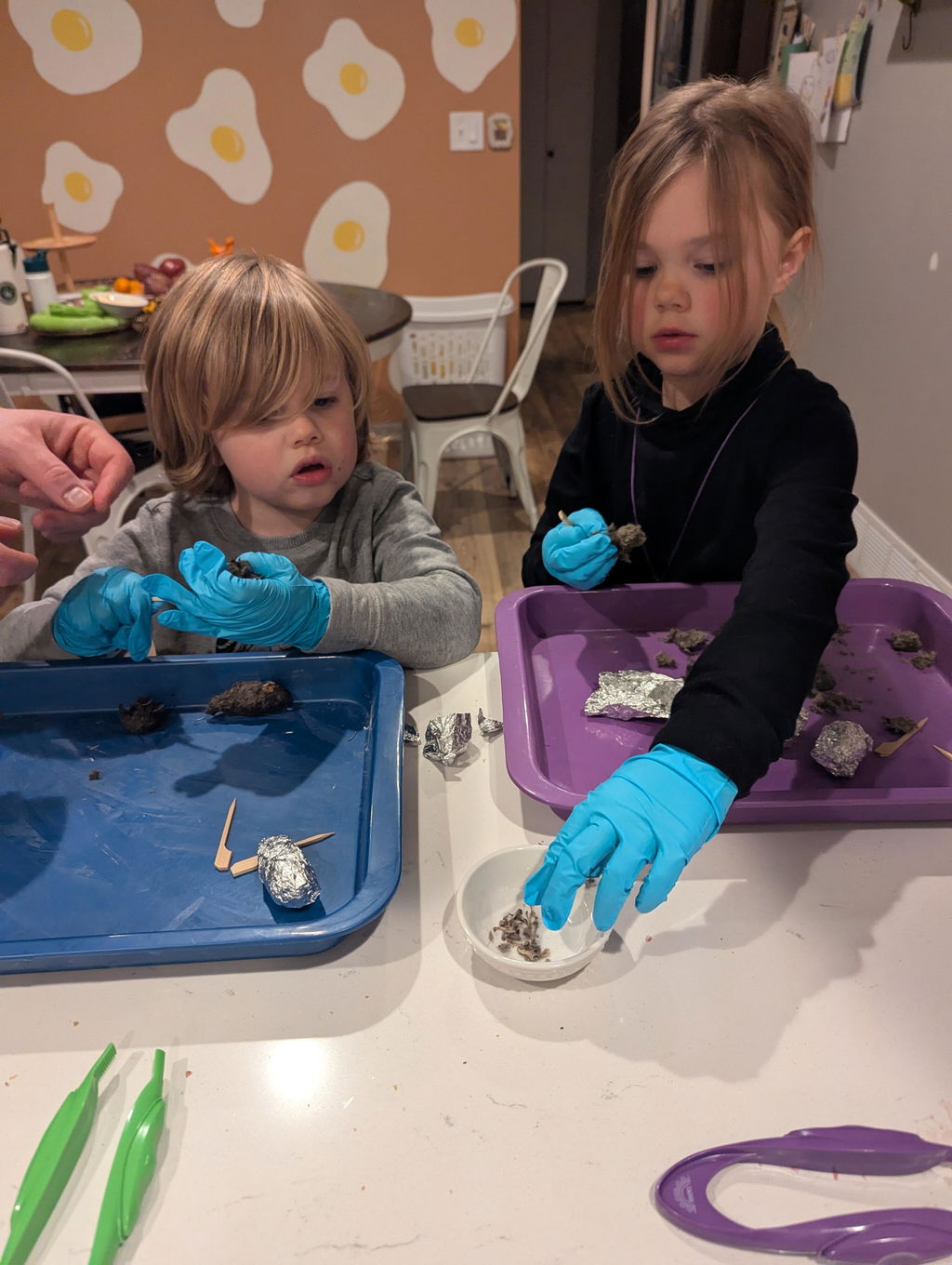
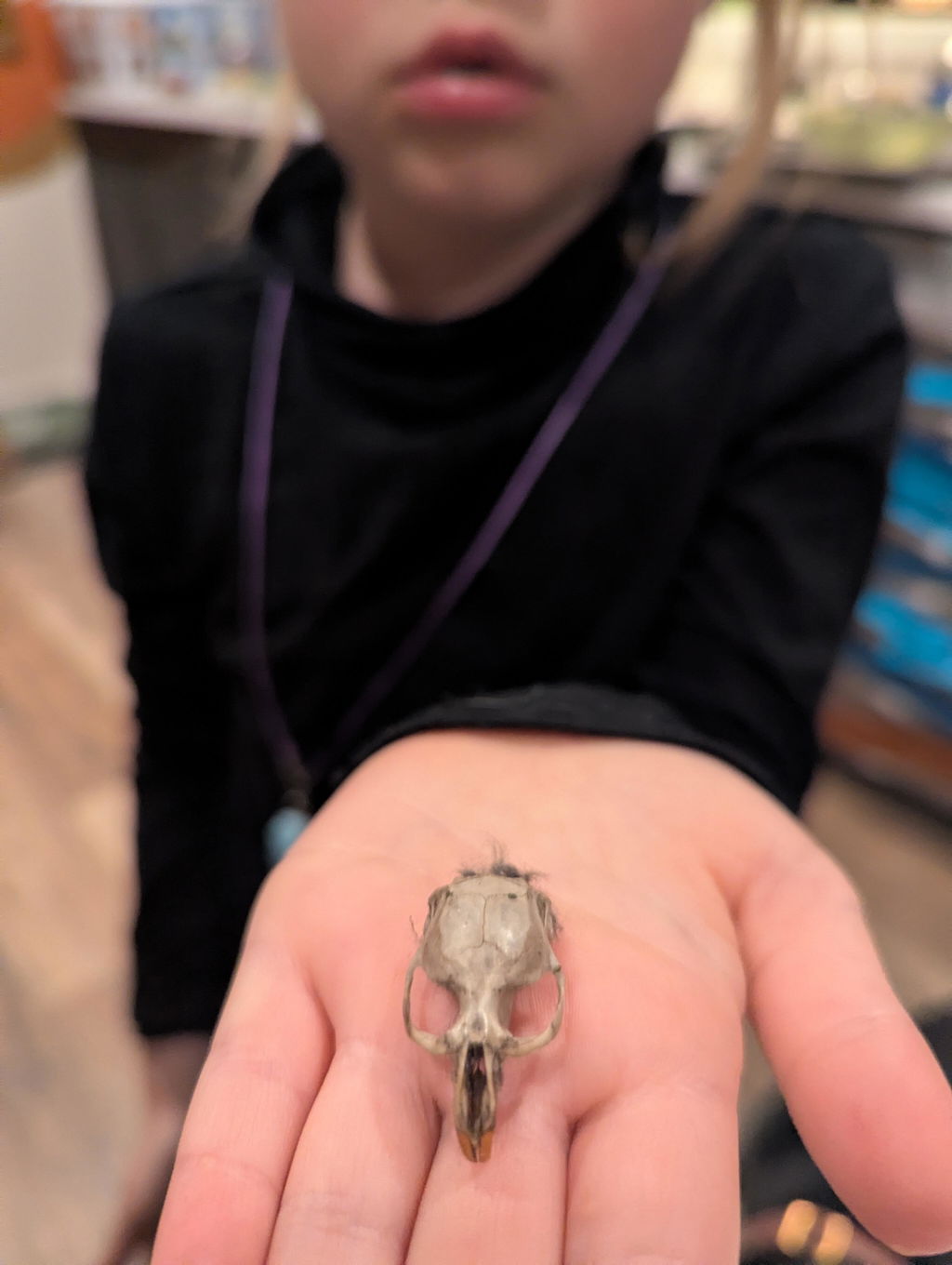
We ordered our pellets as a little family night and were ecstatic to not only get them on time, but to find so much within the neatly wrapped and steamed pellets! Our kids (4 and 6) spent well over an hour dissecting and discussing what they found, and it was everything we ordered and more. I can't wait to order from this site again.
Great for homeschoolers. My 5 yr old and 11 yr old had fun with it.
Very large pellet! My kids enjoyed dissecting this for a school project.
I got these for my nieces and nephews. They LOVED it. Each one contained mouse or rat bones and an identification chart.