

 The Ecology Foundations classroom pack
Ecology Foundations · For classrooms
Classroom Essentials
Bring real science to the table: heat-sterilized barn owl pellets with the tools and teaching guide to run a full dissection, in three pellet sizes. No simulations, no plastic bones.
Heat-sterilizedNGSS-aligned3 pellet sizesShips in 24h
Pellet size
Pack One pellet per student
$29.99
📦Ships within 24 hours of payment, Monday to Saturday. USA and Canada.On vacation · ships Mon, Nov 2
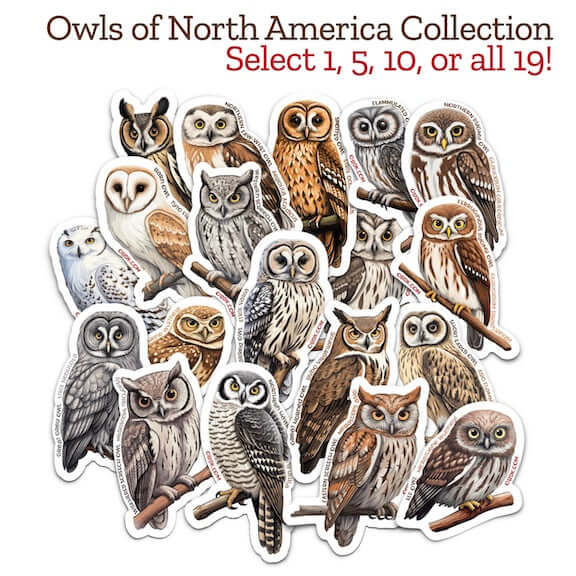
🎁Gifts in every box: stickers, posters and guides.
🦴Free bone charts for six prey animals. Download now
What’s inside
From the pouch to the pick to the preserved bones, everything you need is included.
01Barn owl pellets
Collected in the wild and professionally heat-treated for safe classroom use.
02Teaching booklet
The illustrated “Habitat, Habits & Prey” guide, with step-by-step excavation and how pellets form.
03Excavation tools
Precision pick and forceps for careful bone recovery and identification.
04Resealable pouch
Doubles as secure storage for recovered bones and findings.
What students actually do
Instead of memorizing food webs, learners uncover them.
Owls swallow their prey whole. Fur and bones are compressed into a pellet in the gizzard, then coughed up, creating a compact biological record of the owl’s last meal.
Inside each pellet, students may find skulls, jawbones, vertebrae, ribs and limb bones. Each fragment becomes data. Each bone becomes evidence. It’s anatomy, ecology and predator–prey relationships, hands-on and undeniable.
Designed for real learning Observation & classification
 Comparative anatomy
 Trophic relationships
 NGSS-aligned practice
Look closer
 Observation & classification
 Comparative anatomy
 Trophic relationships
 NGSS-aligned practice
Ideal for
Every explorer
Classroom science
Homeschool lessons
Middle & high school biology
STEM enrichment
Independent study
Curious adults
Three sizes
Larger pellets usually hold more material and a wider variety of bones, which suits deeper analysis.
| Experience | Pellet size | Packs |
|---|---|---|
| Economy · Small | 1.0–1.49 in | 20, 60 or 100 packs |
| Standard · Medium | 1.5–2.49 in | 10, 20 or 100 packs |
| Premium · Large | 2.5 in and up | 5, 10 or 30 packs |
Pairs well with
Refills for next term, wall posters, rewards and the pellets that don’t follow the rules.


What teachers say
Reviews from classrooms, homeschoolers and nature centers.