
No Products in the Cart
They stand at 6 to almost 8 inches tall, with a wingspan of 5 to 6. 5 inches.
Where Wildlife, Humans, & Ecology Meet
Ecology Blueprints explores the interconnected systems that link wildlife, humans, and their habitats—through science, observation, and hands-on learning.
Because no organism exists alone. When you understand food webs, habitat, and pressure, the species make sense. Ecology isn’t about memorizing animals—it’s about understanding relationships and outcomes.
They stand at 6 to almost 8 inches tall, with a wingspan of 5 to 6. 5 inches.
Have you heard of banding? It’s a way to keep track of certain animals. It involves putting a small band (sometimes multiple) around a bird’s leg.
Birds of all kinds will do their best to attract a mate for the breeding season in the spring. Their efforts show off their strength and health – proving to the females that they’ll pass on strong genes to the offspring.
Today, we’re focusing on the Utah Prairie Dog. The only place they’re found is a small area of Utah.
The Spectacled Owl is named because of the markings on its face that make it look like it’s wearing glasses! They have dark brown feathers on their face, with white streaks between and around the eyes.
Have you ever considered what the criteria are for a bird to be a raptor? It can get pretty complicated. Mostly because A, some people usually use the term “raptor” interchangeably with the term “bird of prey”; B, because some people also only use “raptor” to discuss birds that are Falconiformes; and C, because scientists are still trying to figure out exactly what classifies a bird as a raptor.
They prefer habitats that are open, like prairies or deserts. The majority of their time is spent on the ground, and they have long legs compared to other owls, which helps them run along the ground and capture their prey.
Northern Saw-whet Owls are pretty common owls that live in forest environments. They can usually be found in mixed coniferous and deciduous forests, and they’ll make their nests in the cavities of trees.
Students can learn on their own outside of a lesson when there are posters up on the walls. Our graphic and informative posters can also reinforce concepts learned during lessons.
They stand about 8-9 inches tall and have a wingspan of 21-24 inches. They have “extreme reversed sexual dimorphism”, which means the females are larger than the males and weigh almost double what the males do.
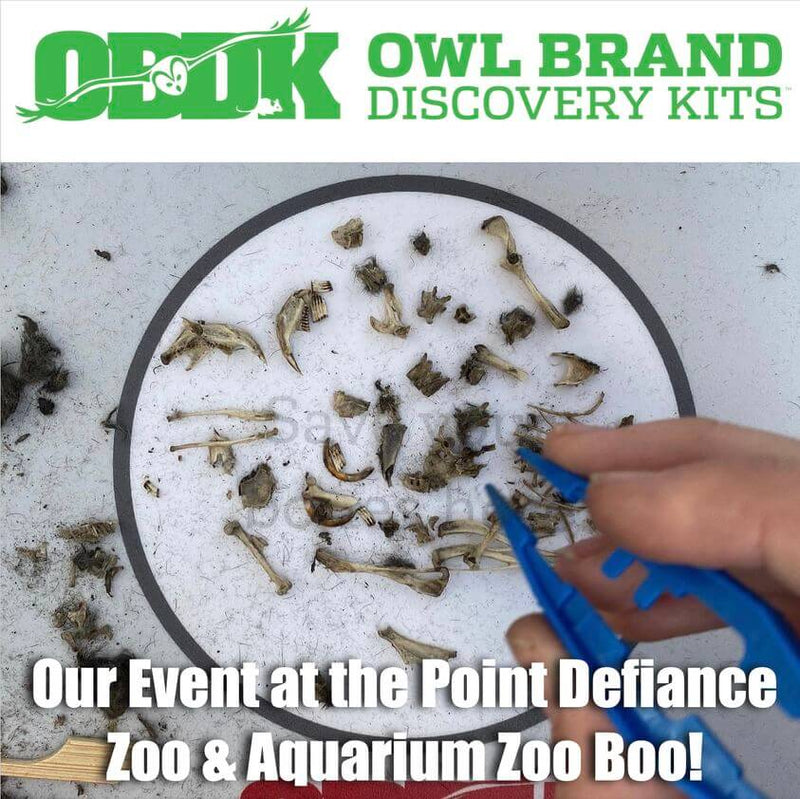
Why do we study owls and dissect their pellets? Because we can get a ton of information from them – information that can help us better understand what goes on in a habitat and the influence that owls have on that habitat.
Did you know that when llamas feel threatened, they’re known to spit? Or did you know that because cardinals are a popular bird, it’s led to an increase in winter bird feeders to attract them and has helped their population increase? They’ve adapted to parks and suburban habitats!.