
A Blog You Can Learn From.

A Resource You Can Teach With.

Welcome to Classroom Connections—where every lesson moves from field to classroom. Each post features Ecology Blueprints, real-world Field Notes, and practical Classroom Connections designed to help you teach wildlife science, food webs, anatomy, and ecosystems with confidence.

Explore. Adapt. Teach.

And bring each lesson to life in your classroom—starting today.

Common Owls North America

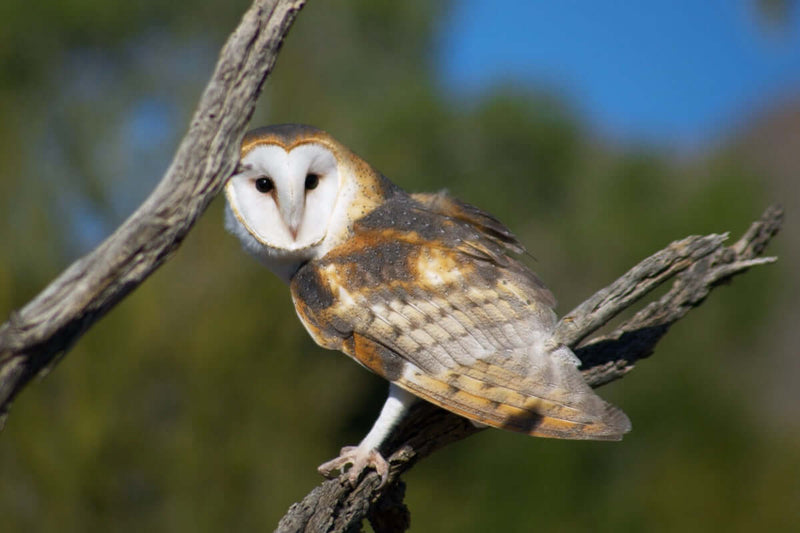
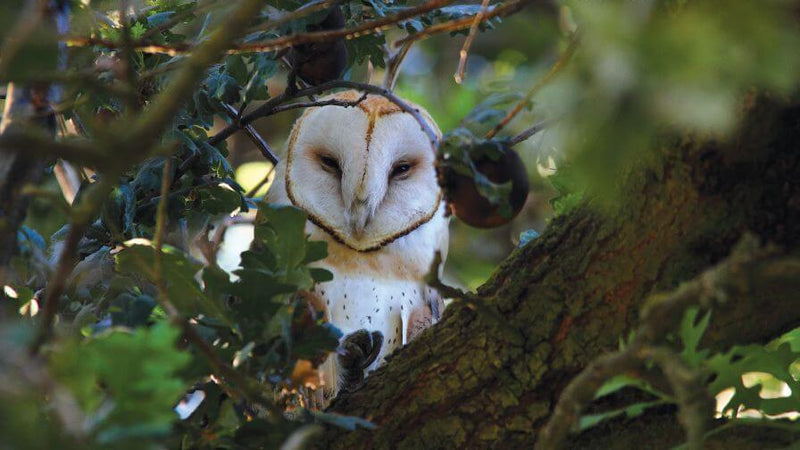
Owls are so similar in a lot of ways when it comes to their hunting abilities and prey preference and also so different when it comes to where they prefer to live and what they look like! .

November 13, 2020
By OBDK
Owl Mythology/Folklore

As Halloween approaches, let’s dive into some of the more misunderstood, spooky aspects of owls. Over our next two Monday emails, we’ll be exploring owls in mythology and folklore.

November 06, 2020
By OBDK
Why do we study owls?

When it comes to predators, many of us are both fascinated and fearful of them. Owls, due to their nocturnal nature, have proven elusive to many of us and therefore have been the subject of many superstitions.

November 06, 2020
By OBDK
Why do owls communicate?

Have you been lucky enough to catch an owl hooting at night? Did you wonder exactly what it meant? The sounds owls make are different between species, but even individually they can make a variety of unique sounds.

October 07, 2020
By OBDK
How to tell Ravens from Crows

These two species, Common Ravens and American Crows, overlap widely throughout North America, and they look quite similar. But with a bit of practice, you can tell them apart.

October 03, 2020
By Chris Anderson
Where does the term "lone wolf" come from?

When you think of someone who is a “lone wolf”, what do you think of? Someone who carves their own path in a new and creative way? Someone who commits a crime on their own? Someone who doesn’t want to socialize with others and lives on the outside? .

September 30, 2020
By Chris Anderson
BACK TO TOP