
No Products in the Cart
Subnivean Safari: Owls Hunting Under the Snow

On a quiet winter night, a snowy field can look absolutely empty. No mice. No movement. Just a smooth white blanket under the moon.
But if you could peel that snow back like a bedsheet, you’d see something completely different: a hidden highway system of tunnels, nests, and frantic little lives.
Welcome to the subnivean world — the space under the snow — and the owls that hunt it without ever seeing it.
This is one of the easiest winter “mind flips” to share with students:
“Winter fields aren’t empty. They’re busy. The real action is just below the surface.”
Let’s go on a subnivean safari.
What Is the Subnivean World?
“Subnivean” literally means “under the snow.”
After the first good snowfall, small mammals like voles and mice:
- Burrow between the ground and the bottom of the snowpack
- Construct runways (tunnels) for moving safely around
- Build sleeping chambers and food caches
Snow does a few important jobs for them:
- Insulation: The air space under the snow stays warmer than the air above. On a very cold night, it might be -10°F outside but close to 32°F in the subnivean zone.
- Cover: Owls, foxes, and other predators can’t see them directly.
- Food access: Grasses, seeds, and stems are still reachable down at ground level.
To us, it looks like a smooth, quiet field. To a vole, it feels like living in a long, low attic — cramped, but warmer and safer.
The Owl’s Problem: How Do You Hunt What You Can’t See?
Now imagine you’re a hunting owl.
You know the food is down there:
- Voles zig-zagging under the snow
- Mice visiting hidden seed caches
- Maybe even shrews or small birds roosting low to the ground
But you can’t see any of it. No scampering shapes. No tails sticking out. Just snow.
Owls solve this problem with one main superpower: hearing.
Built-In Subnivean Sensors: Owl Hearing and Flight
Several owl species that hunt fields, meadows, or marsh edges are especially good subnivean hunters, including:
- Barn owls
- Short-eared owls
- Great gray owls
- Snowy owls (at times)
They come equipped with some very specialized gear:
1. Facial Disc as a Sound Funnel
The “heart-shaped” or round face of an owl isn’t just cute. Those feathers form a facial disc that:
- Collects sound
- Funnels it toward the ears
- Helps the owl pinpoint exactly where a noise came from
You can describe it to students as:
“A built-in satellite dish for sound.”
2. Asymmetrical Ears
In many owls, one ear opening is slightly higher than the other. That tiny difference lets them:
- Compare which ear gets the sound first
- Compare how loud it is in each ear
- Build a 3D “sound map” in their brain
So even if the prey is moving under snow, the owl can figure out:
- Left vs. right
- Closer vs. farther
- Ahead vs. behind
3. Silent Flight
To land a strike, the owl needs to swoop in without creating noisy, distracting wind or feather sounds.
Special wing feathers break up air turbulence and muffle sound, letting the owl:
- Glide quietly
- Keep its own flight noise from masking prey sounds
- Dive with incredible accuracy onto one small spot in the snow
The result? An owl can hear a vole tunneling below the surface, adjust mid-air, and punch through the snow to grab it — all in one silent, explosive move.
Snow: Blanket, Insulator, and Sound Filter
For prey, snow is a shield.
For predators, snow is a filter.
The subnivean zone changes sound in interesting ways:
- Deep, fluffy snow can muffle small noises, making life safer for rodents.
- Crusty or thin snow can transmit sounds more clearly, tipping the balance back toward the owl.
- Temperature changes and wind can also affect how well sound travels.
This is a great point to bring into the classroom:
“The same snow that keeps voles warm also helps — or sometimes hinders — the owls that hunt them.”
You can ask students:
- Would an owl prefer thick, fluffy snow or a thin, icy crust? Why?
- Would a vole prefer the same thing? Or the opposite?
Suddenly, snow depth isn’t just “how much we got.” It’s part of a food web.
Owl Pellets: Subnivean Field Reports You Can Hold
We don’t get to watch many real hunts. But we do get to see the aftermath: owl pellets.
When an owl eats a vole or mouse, it digests the soft parts and later coughs up a pellet made of:
- Bones
- Fur
- Teeth
- Sometimes insect parts or feathers
Each pellet is like a tiny evidence bag from last night’s hunt.
In winter, that evidence is often a direct record of subnivean life:
- How many voles are the owls finding under the snow?
- Are they eating mostly voles, or mixing in mice and shrews?
- Are there signs of other prey (small birds, insects) even in the cold months?
Pellet dissection turns the invisible subnivean world into something students can actually:
- See
- Sort
- Count
- Graph
You can frame it like this:
“The snow hides the tunnels. The owl finds the tunnels. The pellet tells us what it found.”
Classroom Ideas: Bring the Subnivean World Inside
1. Diagram: Above vs. Below the Snow
Give students a blank cross-section of a snowy field (a side-view):
- Sky at the top
- Snow layer in the middle
- Soil and roots at the bottom
Have them fill in:
Above the snow:
- An owl perched on a fence post or hovering over the field
- A fox or coyote walking on the surface
- Bare stems of grasses or plants sticking out
Under the snow (subnivean zone):
- Vole and mouse tunnels
- Little nest “rooms” stuffed with plant material
- Stored seeds or grass stems
Label:
- “Snowpack”
- “Subnivean zone”
- “Tunnels”
- “Nest”
Then add an arrow from the owl to a “sound target” under the snow to show where the owl might strike.
2. Owl Pellet = Subnivean Snapshot
If you have owl pellets:
- Predict: Ask students: “If this owl was hunting over snow, what do you think we’ll find in the pellet?”
-
Dissect:
- Gently pull apart pellets with tweezers.
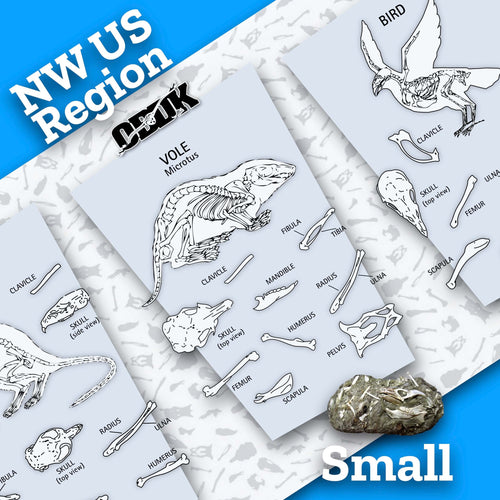
- Sort bones and skulls on white paper or ID charts.
- Identify: Vole vs. mouse vs. shrew skulls (as close as your resources allow).
-
Graph:
- Create a simple bar chart: how many of each prey type did we find?
- Discuss: “What does this say about who’s living under the snow?”
For schools without pellets, you can use printable “virtual pellets” or pre-drawn bone sets and do the same sorting and graphing on paper.
3. Sound Story: How an Owl “Sees” with Ears
Have students close their eyes while you read a short, slow “sound story” of a hunt:
“You are an owl. The field looks smooth and white. You can’t see any animals. Then you hear it — faint scratching under the snow, a tiny footstep. It’s a little stronger in your left ear than your right. You tilt your head, glide silently, and when the sound is loudest… you drop.”
After the story, ask:
- What clues did you use, if you couldn’t see anything?
- How would flying loudly ruin the hunt?
- What body features (face shape, ears, wings) helped?
You can even have students draw an owl face and add arrows showing how sound moves toward the facial disc and ears.
4. “Design Your Own Subnivean Animal”
Let students choose: would they rather survive winter under the snow like a vole, or above the snow like an owl?
For subnivean animals, they might design:
- Short legs and plump bodies to conserve heat
- Fur color that matches soil or snow
- Strong teeth for gnawing roots or seeds
For above-the-snow hunters, they might design:
- Feathers or fur for insulation
- Extra-big ears or eyes
- Feet that spread weight on snow
Then discuss:
“Whose winter is easier? The animal in the tunnels, or the animal trying to find the tunnels?”
There’s no single right answer — just a lot of cool reasoning.
Big Takeaway: Winter Fields Aren’t Empty
When students look at a snowy field, you can help them see three layers at once:
- Sky: owls flying and listening
- Surface of the snow: foxes, coyotes, and other hunters crossing above
- Subnivean zone: mice and voles running a hidden highway system below
Even a quick walk past a snowy field becomes a science conversation:
- “If you were an owl, where would you listen?”
- “If you were a vole, where would you tunnel?”
- “If we could dissect an owl pellet from last night, what story would it tell?”
That’s the magic of a subnivean safari: no bus, no tickets, no special gear — just a new way of seeing what’s already there, hiding under the snow and inside an owl pellet.