
No Products in the Cart
*|MC:SUBJECT|* *|MC_PREVIEW_TEXT|* Red-headed vultures stand 29-33 inches tall, weigh 8-12 pounds, and have a wingspan of almost 90 inches.
Where Wildlife, Humans, & Ecology Meet
Ecology Blueprints explores the interconnected systems that link wildlife, humans, and their habitats—through science, observation, and hands-on learning.
Because no organism exists alone. When you understand food webs, habitat, and pressure, the species make sense. Ecology isn’t about memorizing animals—it’s about understanding relationships and outcomes.
*|MC:SUBJECT|* *|MC_PREVIEW_TEXT|* Red-headed vultures stand 29-33 inches tall, weigh 8-12 pounds, and have a wingspan of almost 90 inches.
Himalayan Vultures, or Himalayan Griffon Vultures, are a species of Old World vultures and are similar in size to the Cinereous Vulture. Their heads have down feathers that are white if they’re young, and off-white or yellowish if they’re adults.
Cinereous Vultures are another species of Old World vultures. They stand at about 3.
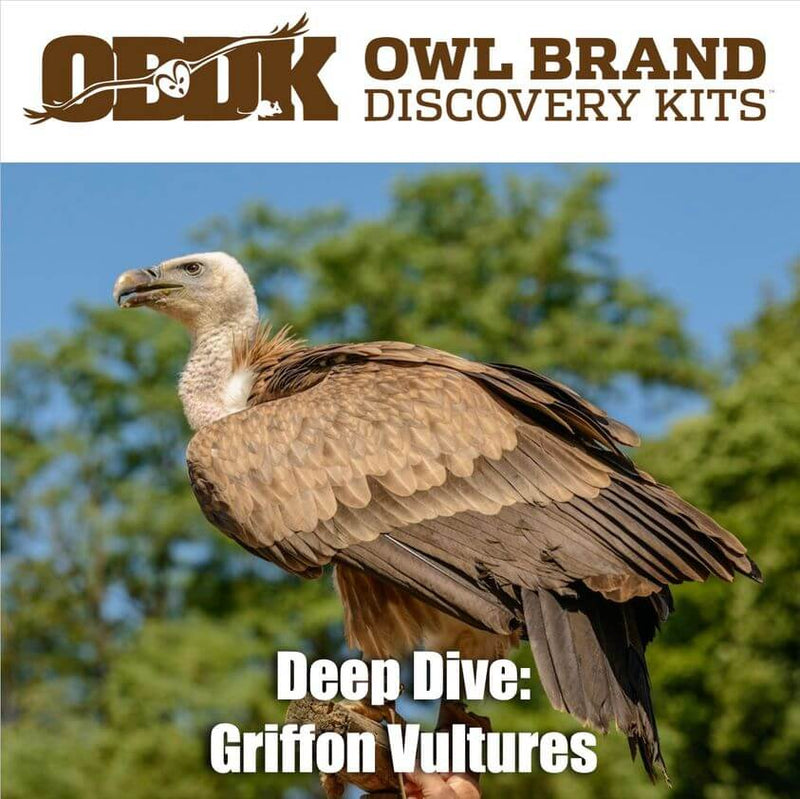
Griffon Vultures are one of the largest vulture species and are one of the largest birds in Europe. 1&2 They stand about 37-43 inches tall and have a wingspan of about 9 feet!3 Because of their size, it takes a lot of energy to get them airborne, and so they spend most of their time along cliffs, where they can use the sun to get into the air by riding thermals.
Let’s check out another vulture species today: the King Vulture! These vultures stand out from other vultures we’ve gone over (the Turkey Vulture and the Black Vulture) because of their brightly colored heads.
You’ve probably noticed a hawk circling in the sky while you’ve been outside at least once.
They also are the most populous vulture species in the western hemisphere, although Turkey Vultures outnumber them within the United States.
These birds are common throughout North and Central America. They like open areas, like open country, woods, and deserts.
All animals adapt to their environment and evolve certain traits that help them survive. Some animals evolve in similar ways, even though they are very different animals.
Do you know the difference between vultures and buzzards? There are pretty big differences, but there is often confusion between the two because of the name being used interchangeably when, in fact, these birds are separate species.
These birds are very adaptable and so can fare well in a variety of environments. So they’re widespread throughout the United States.
If you have bird feeders out in your yard, you may be familiar with Starlings coming around. Starlings are actually an invasive species to the United States and cause many problems for our native birds.