
No Products in the Cart
European International Bat Night: An August Celebration with Wings

Late August has a special kind of dusk. The air is still warm, the school year is stretching awake, and the sky seems to pause for one more summer show. Then the first bat flickers overhead — not like a bird, not like a moth, but like a small piece of night learning how to fly.
That is exactly the mood behind International Bat Night, a European conservation tradition celebrated in August by nature centers, families, parks, museums, and curious people with flashlights they mostly remember not to point at bats.
It is not a spooky holiday. It is a thank-you night for one of the most misunderstood animals on Earth.
A Late-August Holiday with Wings
International Bat Night began as a way to help people notice bats as real wildlife, not storybook shadows.
It is often celebrated on the last full weekend of August, especially across Europe, with guided walks, evening talks, bat detector demonstrations, roost visits from a safe distance, and family activities. For kids, the timing is perfect.
Summer evenings are still long enough for outdoor learning. Insects are still active, which means bats may be hunting. School is starting, so teachers can use it as a science kickoff. Families and camps can celebrate outdoors with low prep.
The big idea is simple: when children meet bats with facts instead of fear, curiosity usually wins.
Why Bats Deserve Their Own Night
Bats are not just “night animals.” They are working members of ecosystems. Different bat species do different jobs, and that is where the lesson gets rich.
Insect control: many bats eat moths, beetles, mosquitoes, and other flying insects.
Pollination: some bats pollinate plants, especially in warmer regions.
Seed dispersal: fruit-eating bats help forests spread and recover.
Food web connections: bats are predators, prey, and neighbors in the same habitat.
Science value: bat activity can help researchers ask questions about habitat quality.
Not every bat does every job. That matters. Teach students that “bats help ecosystems” is true, but the details depend on the species, place, season, and food available.
What Kids Should Notice at Dusk
A bat walk does not have to be fancy. It just needs careful watching.
Ask students to use the same pattern again and again: notice → predict → look for more evidence.
Flight path: Does the bat fly in loops, straight lines, or quick turns?
Location: Is it near water, trees, fields, lights, or buildings?
Timing: Did it appear right after sunset or later in the dark?
Insects: Are there moths, gnats, or beetles nearby?
Weather: Is the evening warm, windy, rainy, or calm?
Then ask: What might the bat be doing, and what evidence supports that idea?
A swoop is a clue, not a rule. A bat near water may be hunting insects, drinking, traveling, or just passing through.
Three Bat Myths to Retire Gently
International Bat Night is a great excuse to clean up old stories. Do it kindly. Kids may have heard these myths from cartoons, costumes, or adults who meant well.
Myth 1: Bats are blind. Reality: bats can see, and many also use echolocation.
Myth 2: Bats want to fly into hair. Reality: bats are usually chasing insects, not people.
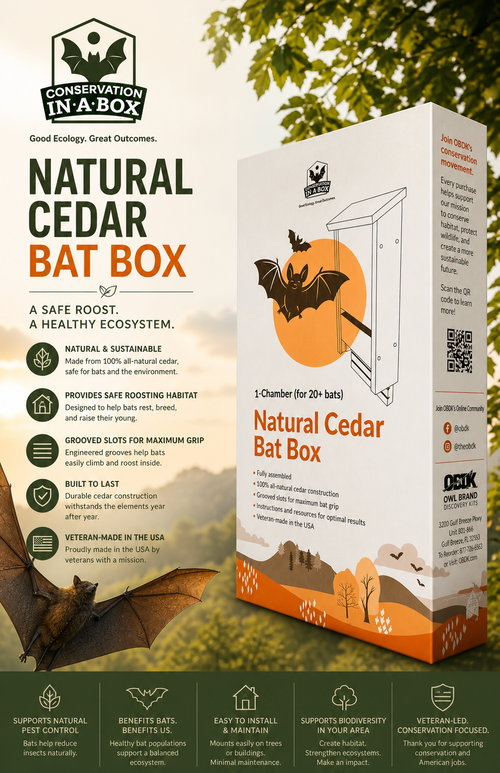
Myth 3: All bats live in caves. Reality: many use trees, buildings, bridges, crevices, and bat boxes.
The goal is not to make bats “cute.” The goal is to make them understandable.
Celebrate Without Disturbing the Roost
A good bat celebration respects the animal first. That means students can observe, sketch, count, listen, and ask questions without bothering bats.
Keep distance: never poke into roosts, cracks, boxes, attics, or tree hollows.
Use soft voices: dusk is a listening time.
Skip bright lights: avoid shining flashlights directly at bats.
Do not handle bats: if a bat is on the ground, tell an adult and contact local wildlife help.
Protect roosts: old trees, safe structures, and properly placed bat boxes can matter.
Respect is part of the science.
Classroom Connection: “International Bat Night Watch Party”
This works for classrooms, homeschool groups, nature clubs, and late-summer camp evenings.
Materials
Clipboards or notebooks
Pencils
A simple dusk observation sheet
Optional red-filter flashlight
Optional bat detector if your site has one
Set-Up
Choose a safe viewing spot: near a pond, field edge, garden, tree line, or open sky.
Start before sunset: let students record weather, insect activity, and habitat clues.
Watch for 20 minutes: count sightings without chasing or following bats.
Record patterns: time, direction, flight shape, and nearby insects.
Make a claim: students write one sentence about what the bats may have been doing.
Student sentence frame
“We think the bats were ___ because we observed ___.”
That one sentence turns a summer evening into real field science.
Teacher Takeaway
European International Bat Night gives teachers and families a ready-made reason to step outside at dusk and look up. Bats are insect hunters, pollinators in some ecosystems, seed dispersers in others, and living proof that nighttime nature is busy, useful, and worth protecting.
The best lesson is not “bats are spooky” or even “bats are cute.” The better lesson is: bats are neighbors with jobs.
So this August, ask your students one simple question as the sky darkens:
What can we learn if we stop being afraid of the shadows and start watching them carefully?