
No Products in the Cart
Bears in Winter: Where Do They Go When the Snow and Christmas Lights Show Up?

When We Plug in the Lights, Bears Power Down
December feels like celebration mode for us: lights, hot chocolate, crowded calendars.
For most North American bears, it’s the opposite: it’s quiet time.
By the time we’re thinking about Christmas
- Black bears and many grizzlies are already in dens
- Some females are pregnant, curled up and waiting to give birth mid-winter
- Their heart rates have dropped, their breathing slowed, and they’re living off stored fat instead of food
While we’re unboxing ornaments, bears are:
- Sleeping in rock caves, hollow trees, old root tangles, or dug-out dens
- Relying on thick fat layers as their all-in-one pantry + sleeping bag
- Staying still for weeks or months to ride out cold and scarce food
To kids, it can feel like bears “disappear” in winter. The fun part is showing that even when we can’t see them, big dramas are still happening underground.
Not All Bears “Hibernate” the Same Way
“Hibernation” gets used as a catch-all, but bears each have their own winter style.
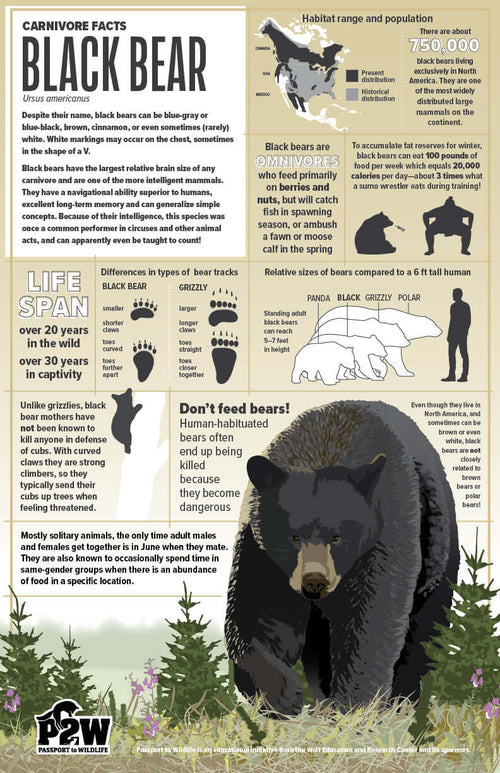
Black Bears
- Found across huge swaths of North America
- Most will den up for winter, especially where it gets cold and snowy
- Their body temperature drops a little, but not as much as in true small-mammal hibernators
They’re in a state called torpor: deep, energy-saving sleep, but still able to wake if disturbed or if something’s wrong.
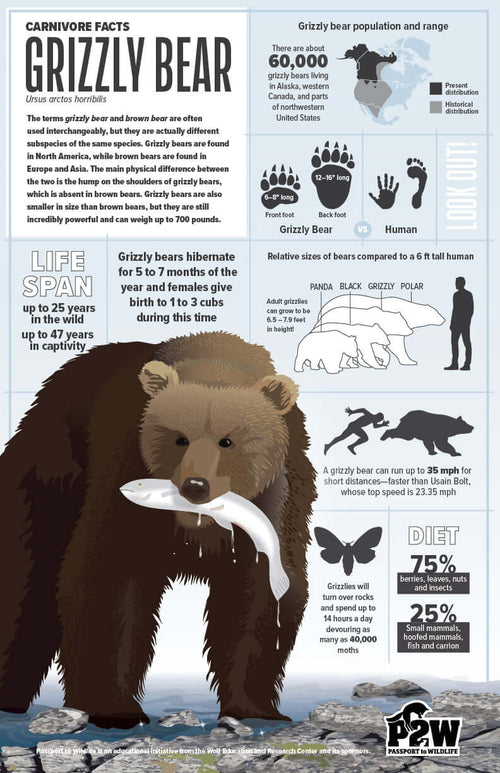
Grizzly / Brown Bears
- In the Lower 48, mostly in the Rockies, Pacific Northwest, and Alaska
- Also den through the winter, choosing hillsides, roots, snow caves, or natural rock holes
- Their winter lives are all about energy math: did they eat enough salmon, berries, and roots to make it to spring?
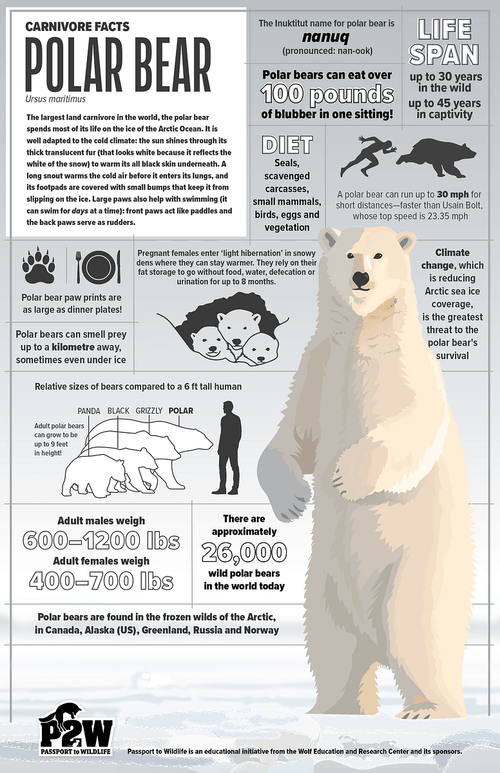
Polar Bears (the wild “Christmas card” bear)
Polar bears flip the script:
- Most adult males stay active all winter on sea ice, hunting seals
- Pregnant females dig snow dens and enter a denning period similar to other bears
- Cubs are born inside the snow den, then emerge months later into blinding white light
So for polar bears, winter is not a sleepy season across the board—it's prime hunting season for some, nursery season for others.
Hibernation Myths: Bears Don’t Sleep the Whole Time
In class or at home, kids often picture bears as staying perfectly still for months, like a big stuffed animal. Nature is messier (and more interesting).
During winter denning, bears:
- Don’t eat, drink, pee, or poop in the usual way
- Recycle wastes inside their bodies
- Lose weight slowly as they burn fat
- May shift position, twitch, or even wake briefly
Females can go into the den pregnant and not-nursing, and by late winter they’re nursing tiny cubs they’ve given birth to in the dark, all without going out to feed.
That’s basically a superpower.
Christmas in the Den: Tiny Cubs in the Dark
This is a great, kid-friendly “wow” moment.
- Many black bear and grizzly cubs are born mid-winter (often January–February)
- Cubs are tiny at birth compared to mom—often around the size of a squirrel
- They’re born blind, with very little fur, and depend completely on their mother’s warmth and milk
While we’re:
- Exchanging presents
- Watching snow fall
- Coming back from winter break
… there may be brand-new bear cubs snuggling against their mother in a den on a hillside or deep in the forest, completely unseen.
You can frame it like this:
“While we’re opening gifts under the tree, bear families are starting under the snow.”
Why Do Bears Need a Winter “Off-Season”?
Winter is tough for big animals that eat a lot:
- Plants are scarce or buried
- Insects vanish
- Moving through snow costs tons of energy
Instead of burning calories searching for food that barely exists, bears:
- Bulk up in fall (berries, nuts, salmon, whatever’s on the menu)
- Slow everything down in winter (heart rate, movement, metabolism)
- Wake up in spring when food returns
It’s like hitting a “pause” button to survive long stretches of cold and scarcity.
Classroom Connection: Bears & December Storytelling
Here are a few ways to pull bear biology into December/Christmas lessons.
1. “Where Is the Bear?” Winter Habitat Map
Have students draw or label:
- A forested hillside (black or grizzly bear den)
- A northern coastline with sea ice (polar bear out hunting / female in snow den)
- A town on the edge of wild habitat
Then ask:
- Where is each bear at this time of year?
- Who is sleeping? Who is awake and hunting?
- What would happen if we left trash or food out near bear habitat?
This helps connect human choices to wildlife safety without being scary.
2. Den vs. Living Room Compare-and-Contrast
On the board, make two columns:
Our December:
- Warm house, blankets
- Big meals
- Bright lights and noise
Bear’s December:
- Dark, quiet den
- No trips to the kitchen
- Heart rate and breathing slowed
Then have students write a short paragraph starting with:
“If I spent December like a bear, I would…”
3. Bear Family Winter Timeline
Create a simple timeline:
- Fall: bear eats and builds fat
- Early winter: bear finds or digs a den
- Mid-winter: cubs are born (for females)
- Early spring: family emerges
A Quick Note on Being Good Neighbors to Bears
Even when bears are resting, how we behave in winter and early spring matters:
- Keep trash secured and bird feeders managed in bear country
- Respect denning areas and closures on trails
- Remember that emerging bears in spring are hungry and low on energy
Framed gently for kids:
“The best gift we can give bears is space, quiet places to den, and no easy junk food to tempt them.”
Takeaway for December & Christmas
Bears aren’t gone in winter—they’re just living on a different schedule than we are:
- Black bears and grizzlies: mostly hidden, saving energy under the snow
- Polar bears: males out hunting on sea ice, mothers in snow dens with tiny cubs
- All of them navigating the hardest season of the year with some truly wild adaptations
When you talk about cozy nights, warm blankets, and long winter breaks, it’s the perfect moment to add:
“Somewhere not so far away, a bear is making it through winter with no snacks, no lights, and no breaks… and somehow, that’s exactly what it needs.”