
No Products in the Cart
Storytime Sleuths #2: Campfire Stories of the Bear

Hook: every bear has a backstory.
A bear appears on the poster.
Campers notice the claws first. Then the paws. Then the size. Someone points at the teeth. Someone else asks the classic camp question:
“Would you be scared if you saw that in the woods?”
Fair question.
But here is the Storytime Sleuths twist: a bear is not just “big,” “scary,” “cute,” or “strong.” It is an animal solving survival problems every day. It has to find food, avoid danger, protect cubs, choose shelter, remember food locations, move through habitat, and prepare for hard seasons.
So now the better question becomes:
What is this bear’s story?
Welcome to Storytime Sleuths: Campfire Stories of the Bear — a creative writing activity that turns bear posters into wildlife imagination, evidence-based thinking, and campfire storytelling.
From Poster Clue to Character
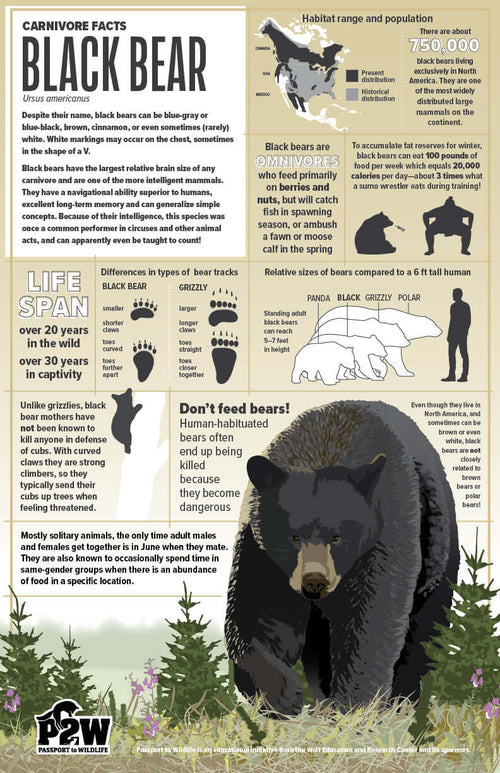
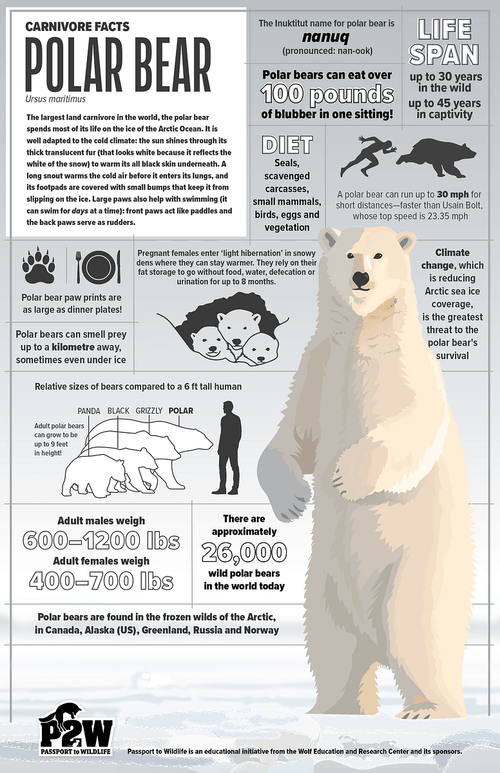
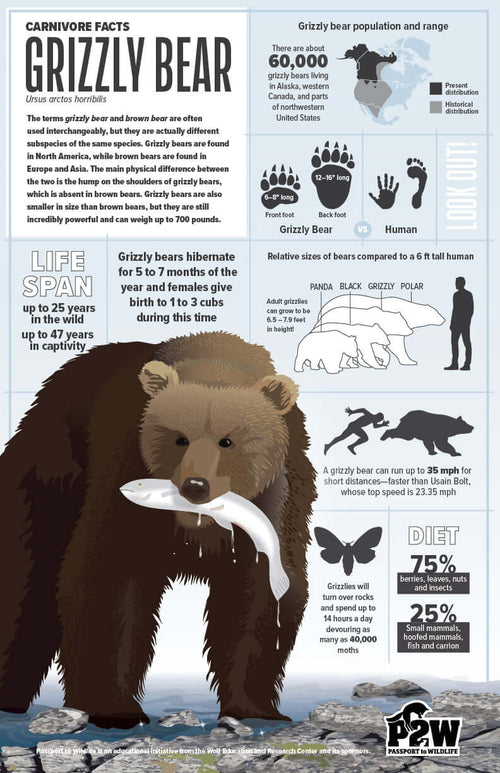
OBDK Bear Posters give campers visual evidence to work with. Instead of starting with a blank page, campers start with real bear features: claws, paws, body size, fur, teeth, habitat clues, diet clues, and behavior clues.
That is already a great lesson in adaptations. But when campers use those clues to build a story, they start thinking more deeply about the bear’s life in the wild.
A polar bear is not just “a white bear.” It may be crossing sea ice, smelling seals from far away, or searching for stable hunting ground. A grizzly is not just “a giant bear.” It may be digging roots, fishing salmon, defending space, or fattening up before winter. A black bear is not just “the common bear.” It may be climbing trees, flipping logs, eating berries, or teaching cubs where to find food.
Each bear gives campers a different story world.
They can ask:
- Where does this bear live?
- What does it eat?
- What adaptations help it survive?
- What season is it?
- What danger or challenge does it face?
- How does this bear fit into the food web?
That is where wildlife biology meets imagination.
Why This Works So Well for Summer Camp
Summer camp is built for stories. Campfire circles, nature walks, animal tracks, night sounds, and “what if?” questions are already part of the magic. A bear storytelling activity fits right in because it lets campers use creativity without leaving science behind.
The value is bigger than “write a story.” Campers are practicing:
- Observation
- Inference
- Habitat thinking
- Adaptation matching
- Food web connections
- Creative writing
- Perspective-taking
- Conservation thinking
That last one matters. When campers write from the bear’s point of view, they begin to see that a bear is not a villain or a mascot. It is a wild animal trying to survive in a changing landscape.
Same animal. Different story depending on habitat, season, and point of view.
Choose a Point of View
After exploring the poster, have campers choose one of three storytelling paths.
Option 1: The Bear’s Adventure
Campers write from the bear’s perspective. The story might begin on sea ice, beside a salmon stream, inside a forest, near a berry patch, or outside a winter den.
Prompt:
“I woke up hungry, and the wind carried a smell I knew…”
The bear story should include:
- The bear’s habitat
- What it is searching for
- One adaptation it uses
- One challenge it faces
- How the season affects its choices
This version helps campers imagine the daily survival decisions of a bear.
Option 2: The Cub’s First Lesson
Campers write from the perspective of a cub learning how to survive. The story might focus on following its mother, climbing a tree, finding berries, crossing water, or learning when to stay quiet.
Prompt: “My mother stopped walking, so I stopped too…”
The cub story should include:
- What the cub is learning
- How the mother bear helps
- A habitat clue
- A food source
- A safety lesson
This version works especially well for younger campers because it makes survival feel like a learning journey.
Option 3: The Field Biologist’s Notes
Campers write as a wildlife biologist observing bear signs. Instead of seeing the bear directly, they may find tracks, claw marks, scat, fur on bark, a turned-over log, or a flattened day bed.
Prompt: “We never saw the bear, but the forest left clues…”
The field biologist story should include:
- At least three signs of bear activity
- What each sign might mean
- One habitat detail
- One question the scientist still has
- One conservation concern
This version helps campers practice evidence-based thinking and observation.
Build the Story From Evidence
The best part is that campers do not have to invent everything from nowhere. The poster gives them clues.
Use a simple Evidence to Story chart:
| Poster Evidence | Science Clue | Story Detail |
|---|---|---|
| Large paws | Help with walking, swimming, digging, or snow travel | The bear crosses mud, snow, riverbanks, or ice |
| Long claws | Useful for digging, climbing, tearing logs, or catching food | The bear opens a log, digs roots, or climbs away from danger |
| Thick fur and fat | Helps with cold or seasonal survival | The story takes place in winter, snow, or pre-denning season |
| Strong nose | Bears rely heavily on smell | The bear follows scent to berries, carrion, cubs, or danger |
| Big body size | Helps with strength, fat storage, and competition | The bear defends food or prepares for a hard season |
| Cubs with mother | Young bears learn survival skills | The story becomes a lesson from mother to cub |
This keeps the activity grounded. The story is creative, but it begins with real evidence.
That is the sweet spot: science-backed imagination.
Field Notes: The Habitat Is Part of the Story
A bear story is never just about the bear. It is also about the habitat.
The bear depends on food, shelter, water, seasonal timing, safe denning areas, travel corridors, and space. A forest bear may depend on berries, acorns, insects, logs, tree cover, and den sites. A coastal bear may depend on salmon runs, riverbanks, tidal zones, and seasonal feeding windows. A polar bear depends on sea ice, seals, cold conditions, and long-distance movement.
When campers write the story, they start to see that every bear is connected to a larger system.
The bear is not “just strong.”
The habitat is not “just background.”
They are part of the same survival story.
A bear’s size, claws, fur, nose, diet, and behavior all make more sense when campers ask:
What problem is this bear trying to solve today?
Classroom Connection: Storytime Sleuths (Campfire Version)
Here is the full activity in a camp-friendly format. It works as a science station, writing workshop, rainy-day program, nature walk follow-up, or evening campfire share.
Materials
For the easiest setup, use OBDK Bear Posters as the visual anchor. Campers can choose one poster animal or compare several bear species.
You may also want to add:
- Paper or notebooks
- Pencils or markers
- Bear adaptation word cards
- Habitat cards
- Season cards
- Optional: flashlight, lantern, or campfire circle for sharing
Step 1: Observe the Bear
Campers look closely at the poster and record what they notice: claws, paws, fur, body size, teeth, ears, nose, cubs, habitat clues, or food clues.
The goal is not just to describe the bear. The goal is to collect story clues.
Step 2: Choose the Main Character
Each camper or group chooses a character:
- The bear
- A bear cub
- A wildlife biologist
- A camper who finds bear signs
- Another animal sharing the habitat
Ask: Who sees the bear’s world most clearly in this story?
Step 3: Build the Habitat
Campers decide where the story takes place.
Examples:
- A berry patch at the edge of the forest
- A salmon stream in late summer
- A snowy den site
- A mountain meadow
- A coastal shoreline
- A forest trail with claw marks on a tree
They should include at least three sensory details:
- What does the character hear?
- What does the character smell?
- What does the character feel under paws, boots, or claws?
Step 4: Add the Survival Problem
Every wildlife story needs a real challenge.
Campers choose one survival problem:
- Finding enough food
- Protecting cubs
- Preparing for winter
- Avoiding humans
- Finding a safe den
- Crossing open space
- Competing for a feeding spot
- Following a scent trail
This keeps the story connected to biology, not just drama.
Step 5: Write the Adventure
Campers write a short story using this sentence frame:
“I lived in ______. Every season, I had to ______. But one day, ______.”
Their story must include:
- One real habitat detail
- One bear adaptation
- One food web connection
- One survival problem
- One clue from the poster
Step 6: Campfire Share
Campers share their stories aloud around a campfire, lantern circle, or “bear den reading corner.” After each story, the group guesses which poster clues inspired it.
That turns writing into a wildlife mystery game.
Example Mini Story
Title: The Scent Beyond the Pines
I lived where the pine trees leaned over the creek and the huckleberries stained the rocks purple. My nose knew the forest better than my eyes did. I could smell rain before it arrived, ants under old logs, and berries hidden behind wet leaves.
That morning, the wind carried salmon.
My cubs followed close, stepping where I stepped. The river was loud, and the stones were slick. I stood tall, listening. Another bear had passed through before us. His scent was strong on the mud.
We waited until the bank was quiet.
Then I led my cubs down to the water, because winter was coming, and every meal mattered.
Camp Leader Takeaway
Storytime Sleuths turns bear biology into something campers can imagine, write, and share. It invites them to use evidence, creativity, and empathy to explore how bears survive in real habitats.
The activity teaches wildlife science without losing the magic of camp storytelling. Campers learn that every paw print has a path, every claw has a purpose, and every habitat has a story.
The big idea is simple:
A poster shows us the bear. A story helps us understand its world.