
No Products in the Cart
Masters of Delayed Implantation: The Weird Biology of Bear Pregnancy

Hook: the ultimate biological budgeting system.
Imagine if pregnancy came with a built-in calculator.
Not a phone app. Not a spreadsheet. A real biological system that asks:
Do we have enough stored energy? Can we survive winter? Can we feed cubs before spring?
That is basically what happens inside a female bear’s body.
A female bear may mate in spring or early summer, but the embryo does not immediately implant in her uterus. Instead, it pauses. The tiny embryo stays in a suspended state while the bear spends the rest of the warm season doing one incredibly important job: eating.
If she gains enough fat, the pregnancy continues. If she does not, the embryo may never fully develop. In other words, before a bear becomes a mother, her body runs the numbers.
That is delayed implantation — one of the strangest and smartest reproductive strategies in the mammal world.
What Is Delayed Implantation?
Delayed implantation, also called embryonic diapause, happens when a fertilized egg develops only to an early stage, then pauses before attaching to the wall of the uterus. In bears, mating may happen in spring or early summer, but implantation is delayed until fall, closer to denning season. The actual rapid development of the cubs happens much later than the mating date would suggest.
That means bear pregnancy is not one continuous, simple timeline. It is more like a two-part process:
Part 1: Mating and pause. The fertilized egg becomes a tiny embryo, but it does not implant right away.
Part 2: Body-condition check. If the female has enough fat and nutrients by fall, implantation happens and the embryo begins developing.
Part 3: Winter birth. Cubs are born in the den, usually while the mother is fasting through winter.
This is not laziness. It is energy management.
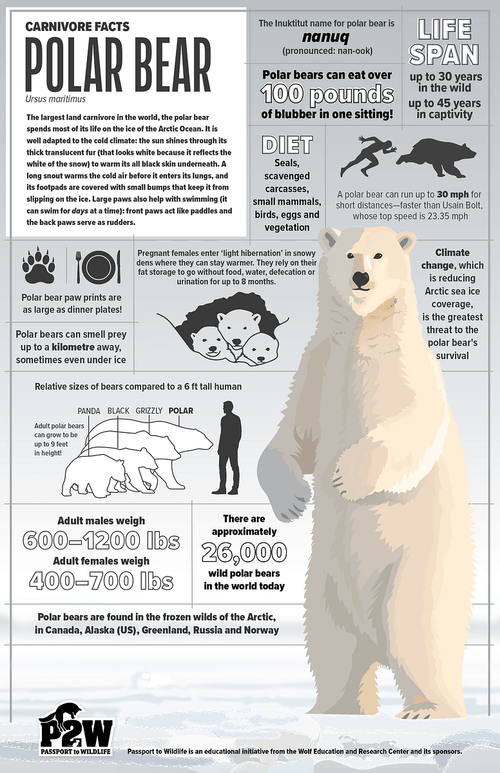
A pregnant bear does not have easy access to grocery stores in January. She must survive on the fat she stored before winter, and she must also produce rich milk for tiny cubs. For polar bears, mating happens in spring, but the fertilized eggs do not implant until fall, and only if the female has enough fat to sustain herself and cubs during denning.
Why Bears Need This Strategy
Bear cubs are born at one of the most difficult times of year: winter.
That sounds backward at first. Why give birth when food is unavailable, temperatures are low, and the mother may not be eating? But for bears, the den is actually a protected nursery. Cubs are born tiny, helpless, blind, and dependent, while the mother stays tucked away and feeds them milk made from her stored energy.
This is where delayed implantation becomes brilliant. The mother’s body does not fully commit to pregnancy until it has enough reserves to make the winter plan possible.
A female bear has to budget for:
Her own winter survival
The energy cost of pregnancy
Milk production for cubs
Staying warm in the den
Emerging in spring with living, growing young
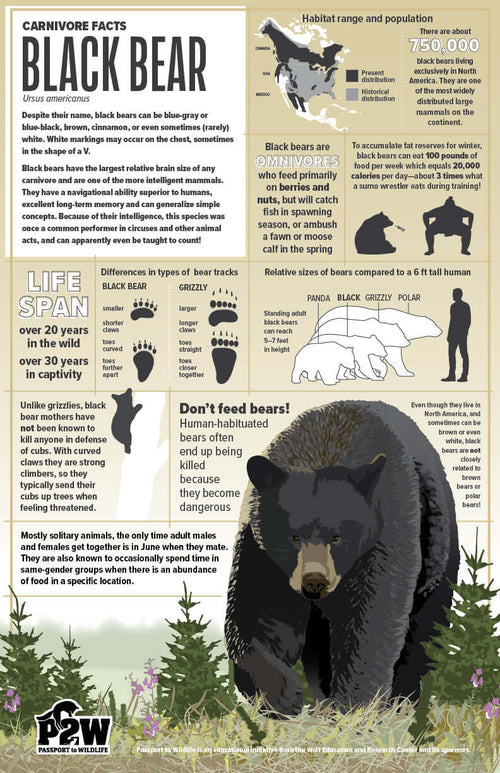
In black bears, fetal development happens mostly in the last two months of pregnancy after implantation, and development depends on whether the mother has stored enough body fat and nutrients to survive winter and nurse cubs until she resumes feeding.
That is the wild part: bear reproduction is tied directly to food availability. A good feeding season can mean cubs. A poor feeding season can mean no cubs.
The Fat Check: Nature’s Pregnancy Gatekeeper
For bears, fat is not just “extra weight.” Fat is survival currency.
During late summer and fall, bears enter a feeding phase often called hyperphagia. They eat intensely to build up reserves before winter. For a female that mated earlier in the year, this feeding season can determine whether pregnancy continues.
Think of her body like a biological accountant. It is asking:
How much fat is stored?
Is there enough energy for winter fasting?
Can milk be produced for cubs?
Can the mother survive and emerge strong enough in spring?
If the answer is yes, implantation can proceed. If the answer is no, reproduction may stop before the costly part begins.
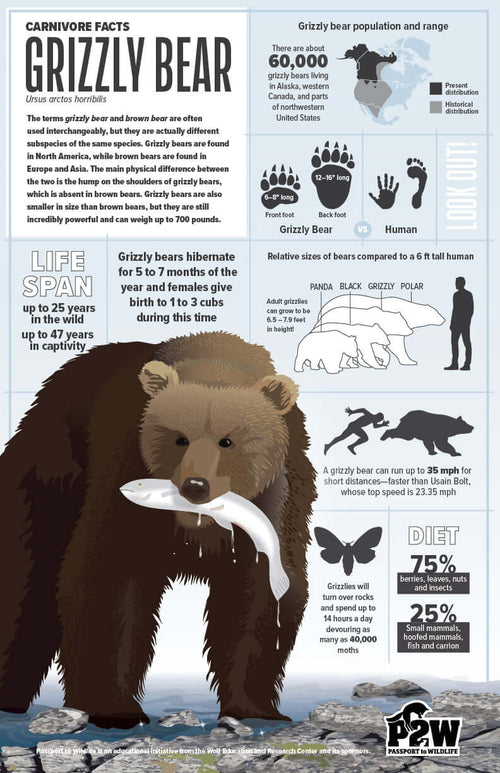
Researchers studying brown bears found that maternal condition matters: fatter females gave birth earlier, their cubs grew faster, and cub mass at den emergence increased with the mother’s body fat going into hibernation.
That makes delayed implantation more than a weird fact. It is a survival filter. It helps prevent a female from investing in cubs she cannot support.
Tiny Cubs, Giant Energy Cost
Bear cubs are famously small at birth compared to their mothers. A black bear cub may weigh less than a pound when born, while the mother may weigh hundreds of pounds.
But tiny does not mean cheap.
Once cubs are born, the mother must produce milk while still inside the den. She may not eat, drink, urinate, or defecate normally for a long stretch, depending on species and conditions. Her stored fat becomes the cubs’ growth plan.
This is why the delayed implantation system matters so much. It is not just about getting pregnant. It is about whether the mother can afford the whole winter nursery.
A Calendar That Depends on Food
A simplified bear reproduction timeline looks like this:
| Season | What Happens |
|---|---|
| Spring / Early Summer | Mating occurs. |
| Summer | The fertilized egg remains in a delayed state instead of implanting right away. |
| Late Summer / Fall | The female feeds heavily and builds fat reserves. |
| Fall | If body condition is strong enough, implantation occurs. |
| Winter | Cubs develop and are born in the den. |
| Spring | Mother and cubs emerge when cubs are stronger and food is returning. |
This timing lines up cub birth with the safety of the den and cub emergence with the return of food. It is not perfect. Nature never is. But it is an elegant solution to a very hard problem: how to reproduce in a seasonal world.
Why This Is Not “Planning” Like Humans Plan
It is tempting to say the bear “decides” whether to continue the pregnancy. But that is not quite right.
The process is physiological. Hormones, fat reserves, seasonal timing, and body condition all interact.
The bear is not doing math on purpose.
But her body is absolutely running the budget.
Classroom Connection: The Bear Budget Challenge
Turn delayed implantation into a classroom budgeting simulation.
Students must spend energy tokens on winter survival needs:
Maintaining the mother’s body
Staying warm in the den
Supporting pregnancy
Producing milk
Keeping cubs alive until spring
Then give each group a different fall feeding scenario:
| Scenario | Food Available | Starting Energy Tokens |
|---|---|---|
| Berry-rich fall | High | 100 |
| Average fall | Medium | 75 |
| Drought year | Low | 50 |
| Human food conflict year | Unstable | 60, with penalty cards |
| Salmon-rich year | Very high | 115 |
Add “surprise cards” to make the activity more realistic:
Early snowstorm: lose 10 tokens
Great berry patch: gain 15 tokens
Disturbed den: lose 20 tokens
Extra cub: milk cost increases
Warm den site: save 10 tokens
Poor food year: lose 15 tokens
The final student question is:
“Was this just about having cubs, or was it about having enough energy to survive and raise them?”
That is the science. Delayed implantation is not a pregnancy delay for convenience. It is a survival budget written into biology.
Teacher Takeaway
Delayed implantation is one of the most fascinating examples of biological timing in the animal kingdom.
That makes bear pregnancy a powerful classroom lesson about adaptation, energy, and survival.
The big idea is simple:
Before a bear can raise cubs, her body has to balance the budget.
And in the wild, that budget is measured in fat, food, timing, and winter survival.