
No Products in the Cart
If Santa Flew With Owls, Bears, and Wolves…

Most versions of the Santa story are crowded with reindeer, elves, and twinkly lights.
But picture this instead:
A winter sky over the North. Snow glittering under the moon. And helping Santa with the night’s work are three very real winter experts:
- a sharp-eyed owl,
- a patient, sleepy bear,
- and a smart, long-distance wolf.
No red suits. No cartoon animals. Just an imaginary “what if” that quietly leans on real biology.
This is a playful crossover between winter wildlife and holiday storytelling—perfect for writing prompts at school, cozy discussions at home, or nature-center programs that want to nod to the season without leaving science behind.
Let’s ask a simple question:
If Santa needed help from wild animals instead of reindeer…
what special jobs would owls, bears, and wolves be best at, based on how they actually live?
Owl: Night Scout of the Winter Sky
If Santa needed a scout to help navigate the longest winter nights, an owl would be first in line.
Owls are built for the job:
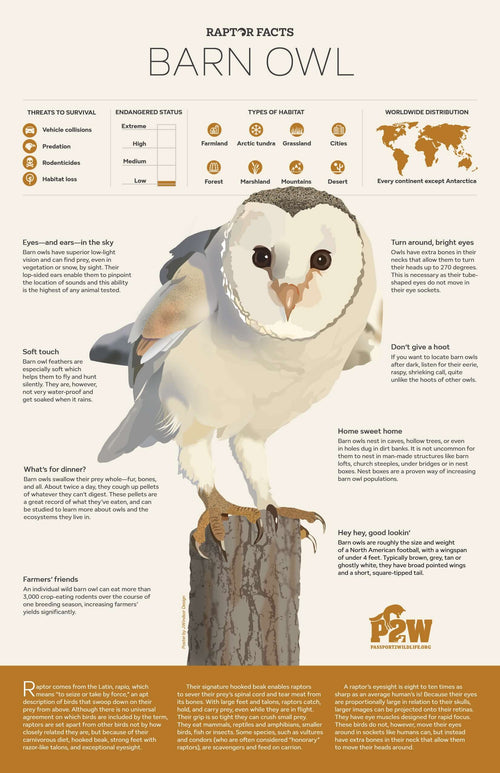
- Huge, forward-facing eyes to pull in every scrap of light.
- Asymmetrical ears that help them pinpoint sounds in almost total darkness.
- Silent wings that let them fly without giving away their position.
In our “Santa plus wildlife” version, the owl’s job isn’t to pull the sleigh—it’s to guide it through the dark:
- Spotting storm fronts and open skies ahead.
- Scanning for tall trees, towers, and mountains.
- Listening for changes in the wind and weather.
In real life, owls use those same tools to hunt. They read a winter landscape by sound and shadow, detecting mice under snow crusts or small birds rustling in evergreen branches. If you tell kids that, the idea of an owl helping Santa suddenly feels less like pure fantasy and more like a clever extension of what owls already do.
You can ask:
- “If you were Santa’s owl, what would you be listening and looking for?”
- “What parts of your town would be easiest to fly over? Which would be hardest?”
They’re sneaking in habitat thinking while being fully immersed in a story.
Wolf: Pathfinder on the Snow
Now zoom down from the sky to the ground.
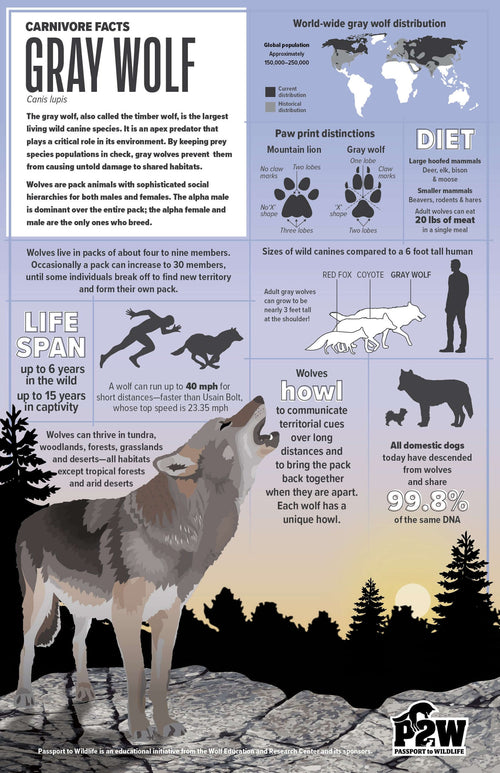
Winter is when wolves do some of their hardest work: traveling long distances, reading snow conditions, and making good “energy decisions” about when to chase and when to save strength. They are professional winter pathfinders.
If Santa teamed up with wolves, their job would be to:
- Find the clearest routes through forests, valleys, and frozen lakes.
- Sense where snow is deep, crusty, or thin—and steer away from dangerous ground.
- Notice where wild herds are moving, just like they do when choosing which way to travel on a real winter night.
Wolves don’t have GPS, but they do have:
- Endurance: they can trot for hours across varied terrain.
- Pack communication: using body language, howls, and scent.
- Memory of their home range: knowing where cliffs, rivers, and open stretches are.
It’s not a stretch to imagine a wolf pack running ahead of the sleigh, checking the path the way they would scout a valley or forest edge in real life.
A fun question for kids (or adults):
“If a wolf was leading Santa’s route through your region, where would it avoid? Where would it steer toward?”
(Think frozen lakes vs steep ravines, open fields vs tight city streets.)
Suddenly geography, snow conditions, and animal behavior all fold into the myth.
Bear: Keeper of the Winter Rest
On the surface, bears feel like the worst possible Santa helpers.
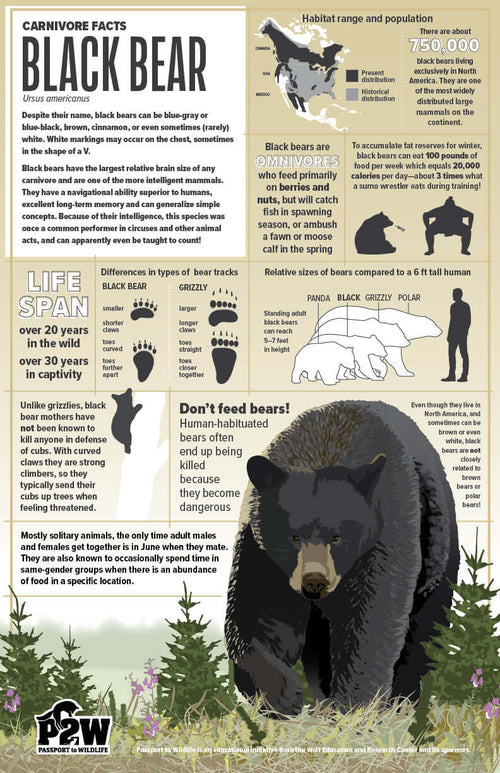
While everyone else is dashing through the snow, bears are quietly napping through it, living off the fat they built up in fall. They slip into dens in late autumn and may not fully emerge until early spring.
But that “sleep all winter” strategy is exactly their superpower.
In a wildlife-flavored Santa story, the bear’s role isn’t speed or scouting—it’s a kind of guardian of the quiet:
- Reminding us that winter is supposed to have rest built into it.
- Representing den time: the hidden, calm spaces where animals (and people) recharge.
- Keeping watch over the still places of the world while the sky and snow are busy with movement.
Biologically, bears:
- Enter a state called torpor, where heart rate and breathing slow.
- Rear cubs in the dark of the den, often in the coldest months.
- Skip eating, drinking, and roaming to save energy when food is scarce.
You can turn this into a gentle contrast for kids:
“While Santa and the owl and the wolf are doing the noisy, moving part of winter, the bear is doing the resting part. Which job do you think is harder? Which one sounds more like you right now?”
It’s a surprisingly nice way to talk about balance: activity and rest, excitement and quiet, all sharing the same season.
How Their Real Lives Sneak Into the Story
The fun of this kind of “what if” isn’t just the Santa angle. It’s that you’re using real animal behavior to support it.
- Owls really are masters of dark winter skies. Their hearing, vision, and silent wings make them natural “night scouts.”
- Wolves really do read snow and terrain like a moving map. They make smart choices about where to travel and when to chase.
- Bears really are winter specialists in doing less: saving energy, safely sleeping through the harshest months, and waking when food returns.
You’re not asking kids to forget what’s true. You’re asking:
“Given what these animals actually do, what would their role be if we invited them into this story?”
That’s a subtle but important difference—and it opens the door to all kinds of creative, science-backed thinking.
Ideas for Writing, Drawing, and Storytelling
Once the basic idea is out there—Santa plus owl, bear, and wolf—you can branch in a bunch of directions, no matter where learning happens: classrooms, living rooms, nature centers, or homeschool tables.
Here are a few simple, flexible prompts:
1. “Job Descriptions” for Santa’s Wild Crew
Have kids write short job descriptions, one for each animal:
- Owl: Night Scout / Sky Guide
- Wolf: Snow Pathfinder / Route Finder
- Bear: Keeper of the Den / Guardian of Winter Rest
Each “posting” has:
- What the animal is good at (using real facts).
- What they would help Santa with.
- What they need in return (quiet forests, clean air, space to den or hunt).
It’s silly on the surface, but also sneaks in adaptations and habitat needs.
2. A Map with Two Layers
Draw a map of a region—your town, a favorite park, or an imaginary northern landscape.
Then add:
- One layer showing the Santa story pieces: sleigh route, gift stops, starry sky.
- A second layer showing the wildlife reality: owl trees, wolf trails, bear dens, field edges where mice and rabbits move.
You’re letting kids see that the same winter world can hold both stories at once: the imaginative one and the ecological one.
3. First-Person Mini-Stories
Invite kids to write from one animal’s point of view:
- “I am the owl who guides Santa through the dark…”
- “I am the wolf who finds the safest snow to run on…”
- “I am the bear who sleeps through the noise and wakes when the light is longer…”
Ask them to include at least:
- One real behavior (how they hunt, sleep, or travel).
- One “Santa job” they perform.
- One wish they have for their habitat (less light, fewer poisons, more wild space).
It’s a neat way to blend empathy, literacy, and biology.
Big Takeaway: The Magic Is in the Real Animal
In the end, this isn’t really about rewriting the Santa legend.
It’s about using a familiar winter story as a bridge to wild lives that are unfolding right now in the cold:
- Owls scanning the dark sky over your neighborhood.
- Wolves trotting across distant snowfields, making energy decisions with every step.
- Bears curled deep in dens, spending the season doing almost nothing—and surviving because of it.
You don’t have to believe in flying sleighs to feel a little awe at all of that.
So if the season brings up snow, lights, and stories anyway, you can always add:
“If this were an owl’s winter, or a wolf’s, or a bear’s… what would be happening tonight?”
And then see what answers your learners—of any age—come up with.