
No Products in the Cart
From Monster Bear to Teddy Bear: How Students Can Read Between the Lines of Animal Stories

Hook: Teach students how to read between the lines of animal stories, spot exaggeration, and find the real wildlife facts underneath.
Picture this:
- A child hugs a teddy bear before bed.
Now picture this:
- A camper hears a branch snap in the dark and whispers, “Bear.”
Same animal.
Completely different feeling.
That is what makes bears so powerful in human stories. They can be bedtime comfort or wilderness warning. They can be soft and round on a nursery shelf, or huge and dangerous in a campfire legend.
So instead of asking only, “How did the teddy bear become famous?” we can ask a better classroom question:
What happens when humans turn a real animal into a story — and how do we find the truth hiding underneath?
The Cute Story: How the Teddy Bear Was Born
The teddy bear story begins with President Theodore “Teddy” Roosevelt in 1902.
During a bear-hunting trip in Mississippi, Roosevelt refused to shoot a bear that had been captured and tied up. The moment became a political cartoon. In later versions of the cartoon, the bear was drawn smaller, softer, and more cub-like. That helped turn the event into a public story about mercy and character.
Soon after, Morris and Rose Michtom created a stuffed bear inspired by the cartoon and called it “Teddy’s bear.” The toy caught on fast.
But students should slow down here.
The teddy bear story is not just, “A kind man saved a cute bear.”
That is the polished version.
The deeper version includes:
- A real bear hunt
- A captured animal
- A political cartoon
- A public image of compassion
- A toy business opportunity
- A wild animal turned into a symbol
That does not make the teddy bear story fake. It makes it layered.
And layered stories are where students learn to read carefully.
The Scary Story: Bears as Monsters of the Wild
Now place the teddy bear beside a very different kind of bear story.
Across North America, bear stories often warn people about the danger of the wild. Some are campfire tales. Some are frontier stories. Some are cautionary tales about children wandering too far.
In many fear-based stories, bears become almost larger than life:
- A bear that follows people for miles
- A bear that cannot be stopped
- A bear that breaks into cabins
- A bear that appears like a monster from the dark woods
- A mother bear that attacks anything near her cubs
Are these stories true?
Sometimes yes. Sometimes no. Usually, they are a mix.
That is the point.
A bear legend may exaggerate size, danger, or intent. But it may also carry a real warning: bears are powerful animals, and humans need to respect their space.
Reading Between the Lines: What Is the Truth Segment?
Here is the classroom skill: when students hear a dramatic animal story, they can ask, “What is the truth segment inside this story?”
A truth segment is the real-life animal behavior hiding underneath the exaggeration.
For example:
| Story Detail | Possible Truth Segment | Possible Exaggeration |
|---|---|---|
| “The bear appeared out of nowhere.” | Bears can move quietly and may be hard to notice in dense habitat. | The bear was not magic or supernatural. |
| “The bear chased everyone because it was evil.” | A bear may react defensively if surprised, protecting cubs, food, or space. | “Evil” is a human label, not animal behavior. |
| “The bear was huge as a house.” | Bears are large, powerful animals. Fear can make size feel exaggerated. | The size may grow each time the story is retold. |
| “The bear attacked without reason.” | Humans may not notice the bear’s reason: cubs nearby, food source, surprise, stress. | “No reason” often means “we did not understand the reason.” |
| “The teddy bear is just cute.” | Bears can symbolize protection and strength. | The toy removes the danger and keeps the comfort. |
This is where the lesson gets good.
Students learn that stories are not simply facts. Stories are facts plus emotion.
What Real Bears Teach Us
Real bears are not teddy bears.
They are also not villains.
They are wild animals with needs, instincts, and boundaries.
That single idea helps students balance both sides:
- Bears deserve respect because they are powerful.
- Bears should not be demonized because they are not “bad.”
- Bears are not plush toys, even if teddy bears are comforting.
- Bear stories often reveal more about human fear than bear behavior.
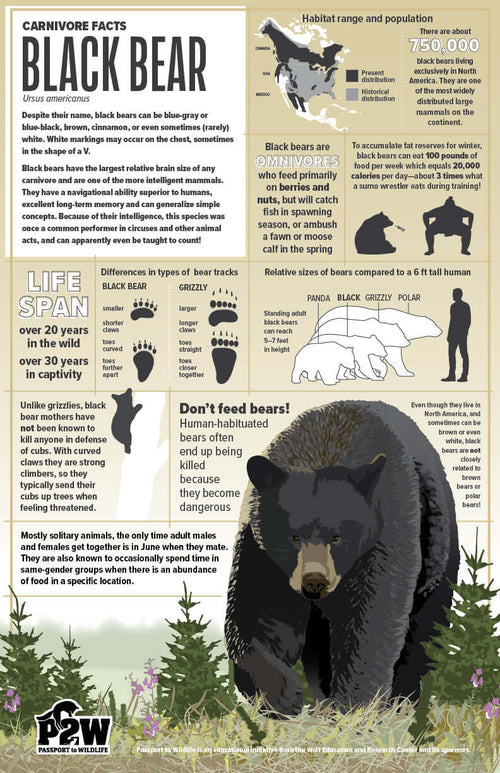
In real life, many bear conflicts happen when a bear is surprised, defending cubs, guarding food, or has learned to associate humans with food.
So when a legend says, “The bear charged like a monster,” students can ask:
Was it a monster story — or a warning sign story?
Why the Bear Became the Teddy Bear
Now we can return to the teddy bear with sharper eyes.
Why did the bear, of all animals, become one of the world’s most beloved stuffed toys?
Because bears carry contrast.
A bunny is already soft in our imagination. A bear is different. A bear is strong, feared, respected, and wild. So when humans turn a bear into a soft toy, we are not just making something cute.
We are transforming danger into comfort.
A teddy bear quietly says:
- The wild can be made gentle.
- Strength can become protection.
- Fear can become comfort.
- A dangerous animal can become a bedtime guardian.
That is why the teddy bear works so well.
It is not cute because real bears are harmless.
It is cute because real bears are not harmless.
The toy carries the memory of the wild, but removes the risk.
Classroom Connection: Find the Truth Segment
Use this single activity to combine teddy bears, bear legends, and wildlife literacy.
Give students a short bear story card. Each card should include one dramatic or symbolic sentence, such as:
- “The bear came out of nowhere and blocked the trail.”
- “The mother bear became furious when hikers came near.”
- “The teddy bear protects children while they sleep.”
- “The giant bear was bigger than anything anyone had ever seen.”
- “The bear stole food from camp because it liked scaring people.”
Then have students complete a three-part chart:
| Story Sentence | What Feeling Is It Creating? | What Truth Segment Might Be Inside? | What Might Be Exaggerated or Symbolic? |
|---|---|---|---|
| “The mother bear became furious when hikers came near.” | Fear, danger, urgency | Mother bears may defend cubs when they feel threatened. | “Furious” makes the bear sound human. The bear may be defensive, not angry in the human sense. |
After students finish, bring the class together and compare answers.
The goal is not to say every bear story is true or false. The goal is to teach students to ask better questions:
- What does this story want me to feel?
- What real animal behavior might be underneath?
- What has been exaggerated?
- What does this story leave out?
- How would a wildlife biologist describe the same moment?
That last question is the bridge from story to science.
Teacher Takeaway
The teddy bear became famous because humans did something fascinating: we took one of the most powerful animals in North America and turned it into a symbol of comfort.
But the scary bear stories matter too.
They remind us that bears are not decorations, villains, or toys. They are wild animals that deserve distance, respect, and understanding.
So instead of asking students, “Is this bear story true or false?” ask the better question:
What truth is hiding inside the story?
The teddy bear teaches comfort.
The legend bear teaches caution.
The real bear teaches respect.
And students learn that the best readers — like the best naturalists — know how to look twice.