
No Products in the Cart
Fall Bear Dens: The Quiet Work Before Winter

By the time leaves turn copper and the air smells like cold soil, bears are already making winter decisions. They may still be feeding heavily. They may still roam ridges, forests, river bottoms, and berry patches. But somewhere in that fall landscape, another job is beginning.
Find the right den. For many black bears and grizzlies, denning season usually begins to take shape between September and November. The exact timing depends on weather, food, elevation, sex, age, and region.
That makes fall bear dens a perfect classroom lesson. It is not just about where a bear sleeps. It is about how an animal reads the season.
The Fall Den Season
Bears do not usually wake up one morning and suddenly decide, “Today is den day.” Denning is more gradual than that. In fall, bears are often balancing two big needs:
Eat enough food to build fat reserves.
Choose a safe winter shelter before harsh weather settles in.
Reduce risk by avoiding exposed or disturbed places.
Match the den site to snow, slope, drainage, and cover.
For students, the calendar is a clue, not a rule. A bear in a cold mountain region may enter a den earlier than a bear in a milder area. A pregnant female may den earlier than an adult male. A poor food year can shift movement too. The pattern still holds: fall is preparation season.
What Counts as a Bear Den?
A bear den does not have to look like a cartoon cave. Many dens are simple, practical, and easy to miss unless you know what to look for. Bears may use natural spaces, enlarge existing shelters, or dig their own. Common den sites can include:
Hollow trees: especially for black bears in forested areas.
Rock cavities: sheltered spaces under boulders or ledges.
Root wads: tangled tree roots that create natural cover.
Brush piles: dense vegetation that blocks wind and hides the entrance.
Excavated slopes: dug-out dens in hillsides or beneath sturdy cover.
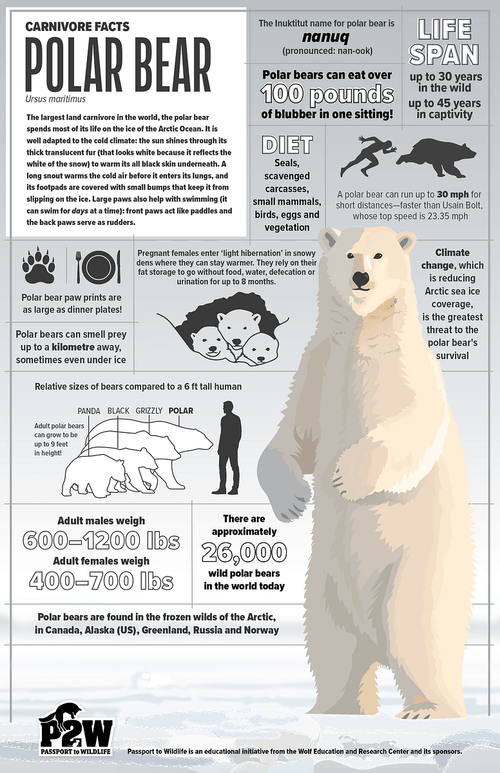
Snow dens: important for some bears in colder regions, especially polar bear maternity dens.
The best den is not fancy. It solves problems.
Why September Through November Matters
Fall is the bridge between abundance and scarcity.
Many bears are still in hyperphagia, the season of heavy feeding before winter. Berries, nuts, roots, insects, salmon in some regions, and human food sources can all shape where bears move. At the same time, weather is changing.
Days shorten.
Temperatures drop.
Snow begins at higher elevations.
Plants stop producing easy calories.
Streams, slopes, and trails change with frost and storms.
A den chosen in October has to work in January.
That is the teaching point: bears are responding to future conditions. They are not planning with a calendar, but they are responding to cues their bodies and habitats provide.
The Den Is Not Just a Bedroom
A winter den is an energy-saving shelter. During hibernation or winter dormancy, a bear’s body slows dramatically. Heart rate drops. Breathing slows. Metabolism changes. The bear lives off stored fat, and movement becomes expensive.
That makes den location important. A good den may help a bear:
Stay insulated from wind and extreme cold.
Remain dry so body heat is not lost quickly.
Avoid disturbance from people, predators, or other bears.
Conserve calories by reducing unnecessary movement.
Protect cubs in the case of pregnant females that give birth during winter.
For students, this turns a den into a survival tool. It is habitat with a job.
Black Bears and Grizzlies: Similar Goal, Different Details
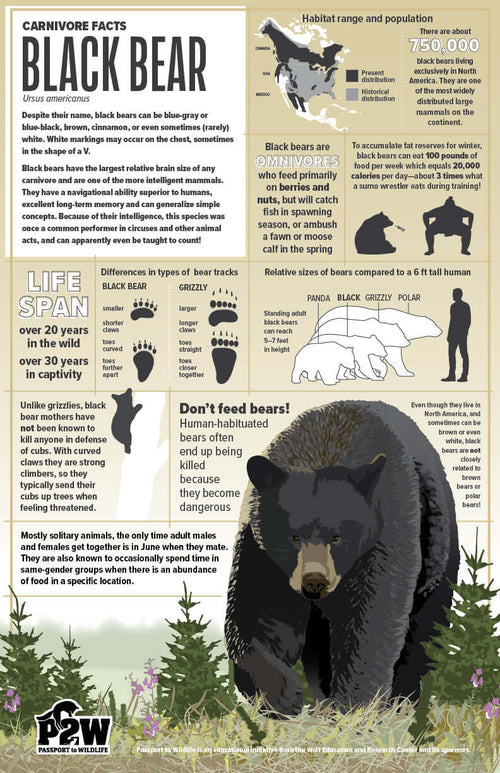
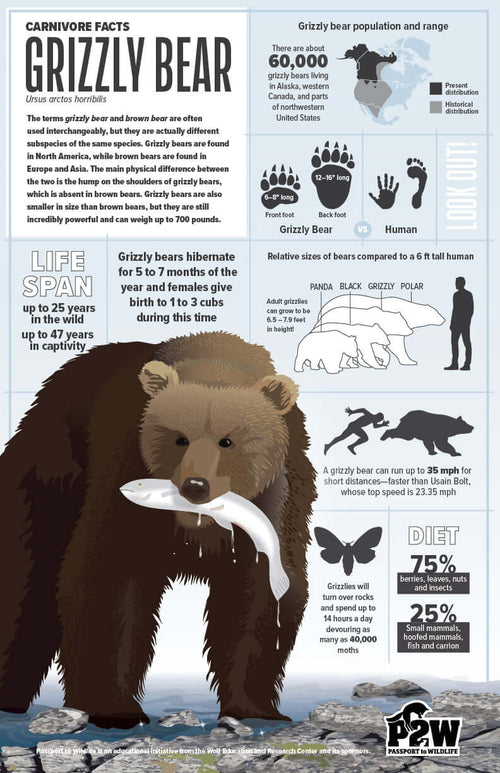
Black bears and grizzlies both use dens to get through winter, but they may choose different kinds of sites depending on landscape.
Black bears often use forest cover well. In some areas they den in hollow trees, under logs, in brushy tangles, or in small excavations. Their dens can be surprisingly hidden.
Grizzlies often dig dens on slopes, sometimes where snow will later help insulate the entrance. Mountain terrain, stable soil, and access to fall feeding areas all matter.
These are patterns, not perfect rules.
Ask students to think like field observers: what evidence would help you predict which bear used which site?
Habitat: forest, alpine slope, river corridor, tundra, or shrubland.
Entrance size: large enough for the bear, but often not oversized.
Location: protected from flooding, wind, and heavy disturbance.
Nearby food clues: berry patches, nut trees, salmon streams, or digging areas.
Reading the Landscape Like a Bear
A den site tells a quiet story about what matters in winter. Students can practice asking simple evidence questions:
Is the site dry? Wet bedding steals heat.
Is it sheltered? Wind exposure can cost energy.
Is it hidden? Disturbance can force a bear to leave.
Is the entrance protected? Snow, roots, rocks, or brush can help.
Is food nearby in fall? Bears still need to build fat before denning.
This is where the lesson becomes broader than bears.
Every animal has to match its behavior to seasonal change. Bears make that connection easy to see because the shift is so dramatic.
Classroom Connection: “The Winter Shelter Test”
This low-prep activity helps students evaluate den sites without turning the lesson into a game.
Materials
Photos or drawings of possible den sites.
Sticky notes or a simple worksheet.
A local habitat map, if available.
Optional: weather cards showing early snow, late snow, heavy rain, or mild fall.
What students do
Observe: Look closely at each possible den site.
List evidence: Note shelter, dryness, cover, slope, and disturbance risk.
Predict: Decide which site would conserve the most energy.
Explain: Use one sentence that begins, “This den would help a bear because…”
Revise: Add a weather change and ask whether the den still works.
Discussion questions
Which den looked safe at first, but had a hidden problem?
How would flooding change your choice?
Why might a bear choose a plain-looking site over a dramatic cave?
What clues would you want before making a final claim?
The goal is simple: notice, predict, and look for more evidence.
The Takeaway
Bears often find or build dens in fall, usually between September and November, as winter approaches. That timing is not random. It is tied to food, weather, body condition, landscape, and the need to conserve energy through the cold months.
Teach students to see a bear den as evidence. Not just a hole. Not just a bed. A den is a survival solution written into the landscape.
Ask them: If you were a bear, what would your winter shelter need to solve?