
No Products in the Cart
Bear-Aware Campers: What Kids Should Practice Before the Summer Trail

Hook: Before campers learn the trail map, they should learn the bear map.
A summer hiking trail is full of signs students can practice reading: bent grass, berry patches, scat, tracks in mud, claw marks on old logs, and the sudden quiet that makes everyone listen.
Somewhere in that same landscape, a bear may be solving its own summer problem:
Where is the easiest food, with the least risk?
That is the first lesson for campers.
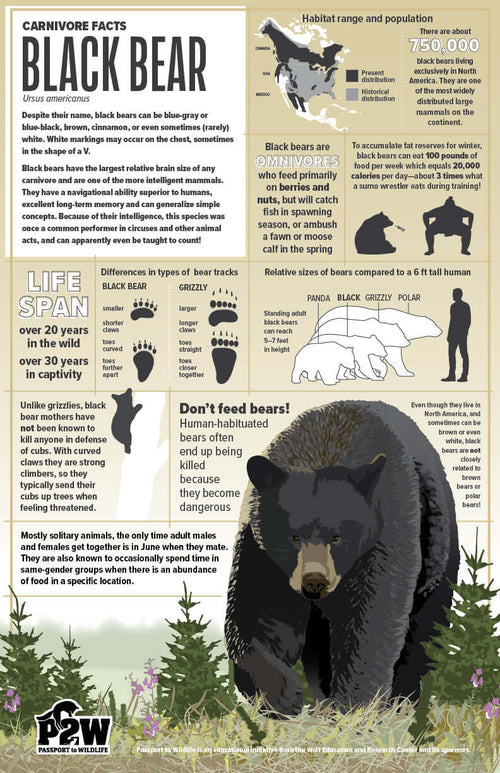
Bears are not trail villains. They are powerful, curious, food-focused animals with excellent noses and strong memories. A bear-aware camper learns to respect that—before boots hit dirt.
Why Bear Training Belongs Before the Hike
Bear safety works best when it feels practiced, not panicked.
Campers do better when they know what to expect and what their job is.
Stay with the group: a group is easier for wildlife to notice.
Make calm human noise: voices can help avoid surprise encounters.
Watch the habitat: berries, streams, thick brush, and carcasses can attract bears.
Protect food: snacks, trash, and toothpaste all count as smells.
Respect distance: a bear sighting is not a photo mission.
The goal is not fear. The goal is fewer surprises—for campers and for bears.
Bears Read the World With Their Noses
If students remember one bear fact, make it this one: smell matters.
A bear’s nose helps it locate berries, insects, fish, carrion, acorns, campsites, coolers, and crumbs. That means a backpack is not just a backpack. To a bear, it can be a question mark with straps.
Ask campers:
“If you were a bear, what smells would you investigate?”
trail mix
granola bars
juice boxes
sandwich wrappers
sunscreen
lip balm
gum
trash from lunch
That list usually surprises kids. Then the science clicks: bear safety is often smell management.
Black Bear or Grizzly? Useful Clues, Not a Guessing Game
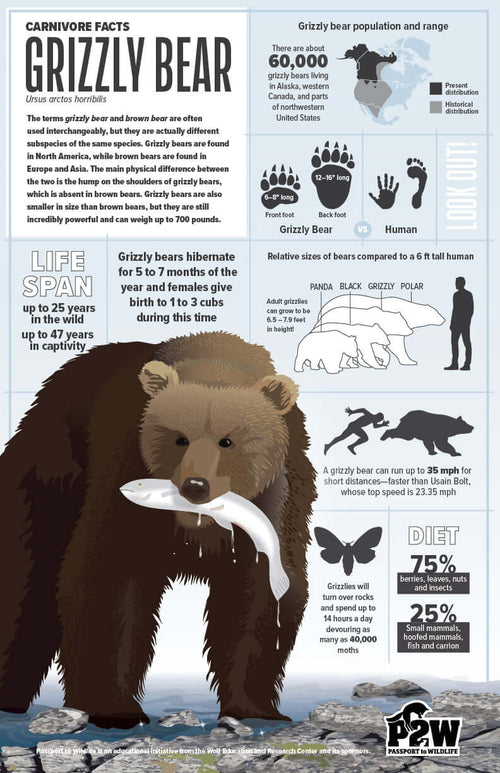
Campers may ask, “What kind of bear is it?” That can be a good observation question, as long as it does not distract from safety. Identification is a clue, not a rule for getting closer.
Black bears: often have taller ears, a straighter face profile, and no shoulder hump.
Grizzlies: often have a shoulder hump, shorter rounded ears, and a dished face profile.
Color is tricky: black bears can be brown, cinnamon, or blond.
Distance changes details: faraway animals are easy to misread.
The safer camper habit is simple:
Notice → back up your group → tell an adult → give space.
The Camp Rule: Don’t Invite the Bear
Most bear problems near people begin with food access. Not because the bear is “bad.” Because the math is easy: strong smell plus easy calories equals a lesson the bear may remember. Before a hike, campers can help with a bear-smart pack check.
Food sealed: snacks packed tightly and opened only at planned stops.
Trash contained: every wrapper comes back out.
No food in tents: if camping overnight, follow local storage rules.
Scented items managed: lip balm, lotion, and toothpaste need storage too.
Lunch area cleaned: crumbs are still clues.
For younger campers, use this phrase: “A clean camp is a kind camp.”
It protects people, and it protects bears from learning risky habits.
If Campers See a Bear
This is where practice matters. Every region has its own guidance, and camp leaders should follow local land agency rules. But the kid-level pattern is steady and calm.
Stop: do not run.
Stay together: gather near the leader.
Speak calmly: let the bear know you are human.
Give space: slowly move away if the bear is not approaching.
Never approach cubs: young animals mean an adult may be nearby.
Follow the adult plan: bear spray, if carried, is for trained adults.
Running can trigger chase behavior in many animals. Standing still, grouping up, and backing away slowly is easier when campers have rehearsed it before.
Classroom Connection: “The Bear-Smart Trail Rehearsal”
This activity works in a classroom, gym, camp lodge, or picnic shelter. Turn the room into a trail with stations. Students move in groups and practice decisions, not just answers.
Materials
index cards or paper signs
backpack props
empty snack wrappers
maps or a simple trail sketch
three colored cards: green, yellow, red
Set up trail stations
Berry Patch: Should the group spread out or stay together?
Lunch Rock: What smells need to be packed away?
Muddy Track: What can we observe without following it?
Surprise Bear Card: Practice stop, group up, calm voice, slow back-away.
Trail Choice: Pick the route with better visibility and fewer attractants.
At each station, groups hold up a color card.
Green: safe trail habit
Yellow: slow down and think
Red: stop and get the leader
Then they must explain their evidence:
“We chose yellow because the berry patch could attract bears, so we should stay together and make calm noise.”
That one sentence builds the habit you want on the trail: observe, decide, explain.
The Takeaway
Bear-aware training is really ecology training. Campers learn that bears follow food, respond to surprise, use habitat, and remember easy rewards. That means campers have a role too: travel together, manage smells, give wildlife space, and listen to leaders. The best question before a summer hike is not, “Will we see a bear?”
It is: “Are we ready to share the trail wisely if we do?”