
No Products in the Cart
Rainforests may only be about 6% of Earth’s land, but they are essential. They keep the planet healthy and ensure that we have access to ...
*|MC_PREVIEW_TEXT|* Golden-Fronted Woodpeckers can be found in Texas and Oklahoma in the United States, and ...
Owls are a great resource to study to learn more about the ecosystems they’re in and the prey they eat. However, like many animals today,...
They prefer habitats that are open, like prairies or deserts. The majority of their time is spent on the ground, and they have long legs ...
Bees are integral animals to our environment. They’re in charge of pollinating 80% of flowering plants and 75% of fruit, nuts, and veggie...
They stand 8-10 inches tall and weigh about 3 ounces. They have a wingspan of 16 inches. In the wild, they can live between 5 and 7 years...
Cape Vultures, or Gyps coprotheres, can be found in grassland, savanna, and shrubland in South Africa, Lesotho, Botswana, Mozambique, and...
Discover how Barn Owls build their homes in a changing landscape — and how human-made nest boxes restore the harmony between nature and f...
Gannets have a very distinct appearance. They have white feathers with black markings at the outer edge of their wings. Their tail and be...
Seagulls technically aren’t a species. They’re a name that we colloquially give to various species of gulls that we associate with living...
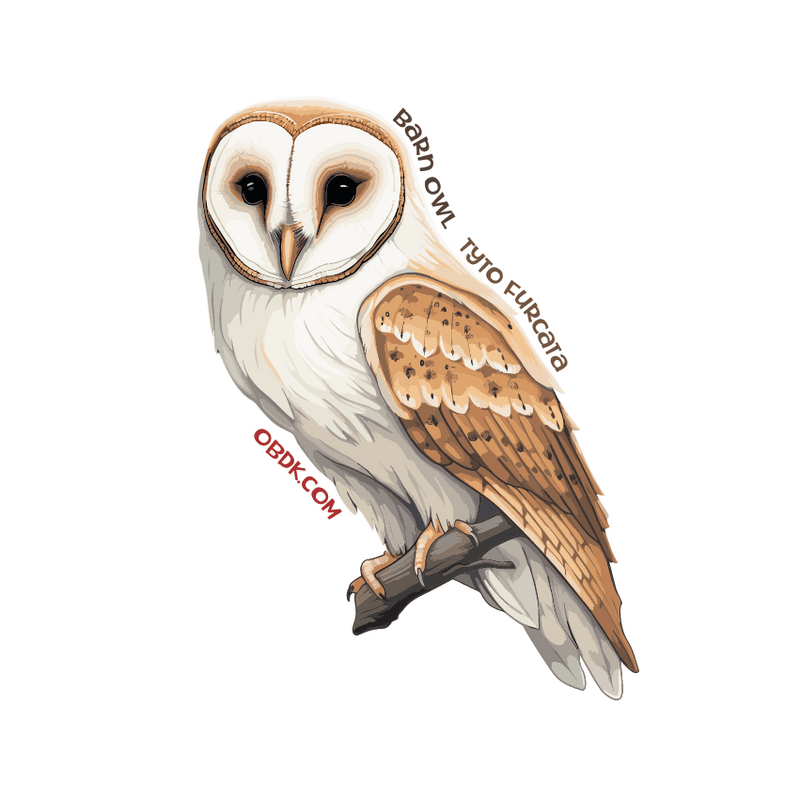
Barn owls are a fascinating species of bird with many unique characteristics. Their silent flight, excellent hunting abilities, and disti...
Winter is one of the best times of year to notice owls. Bare trees, long nights, quiet air, and predictable prey all work in your favor. ...
Winter nights aren’t silent. Owl calls in January reveal territory, pairing, and planning—the hidden decisions that shape nesting season ...
Why can’t owls roll their eyes? This classroom-friendly lesson explores how owl vision, neck movement, and silent hunting work together a...
If bats, owls, bears, and bees played the World Cup, who would win? This playful ecology lesson turns animals into teams so students can ...
Owls can sit at the top of the food web, but being an apex predator doesn’t mean being invincible. This guide explains what “apex” really...