
No Products in the Cart
Wildlife World Cup: Bats, Owls, Bears, and Bees on the Same Field

Hook: Imagine the stadium lights click on at dusk.
The crowd buzzes, flutters, hoots, and sniffs the air. On one side: bats, fast and unpredictable. On another: owls, silent and precise. Then come bears, powerful and patient. And finally, the tiny team nobody should underestimate: bees. If these animals were playing the World Cup, which team would win? The fun answer is: it depends on the rules. The science answer is even better: ecosystems need all four teams on the field.
The Opening Kickoff: What Counts as a Goal?
Before students choose a winner, ask them what a “goal” means in nature.
Is it speed? Strength? Teamwork? Helping plants grow? Keeping prey populations balanced?
In ecology, the scoreboard is not just points.
Pollination: helping plants make seeds and fruit.
Pest control: eating insects or rodents that can boom quickly.
Seed dispersal: moving seeds across the landscape.
Nutrient cycling: returning energy and matter to the soil.
Food web balance: connecting many living things.
That means each animal team brings a different skill set. A clue, not a rule: the “best” team depends on the ecosystem problem.
Team Bees: The Tiny Strikers
Bees would be the quick-footed forwards.
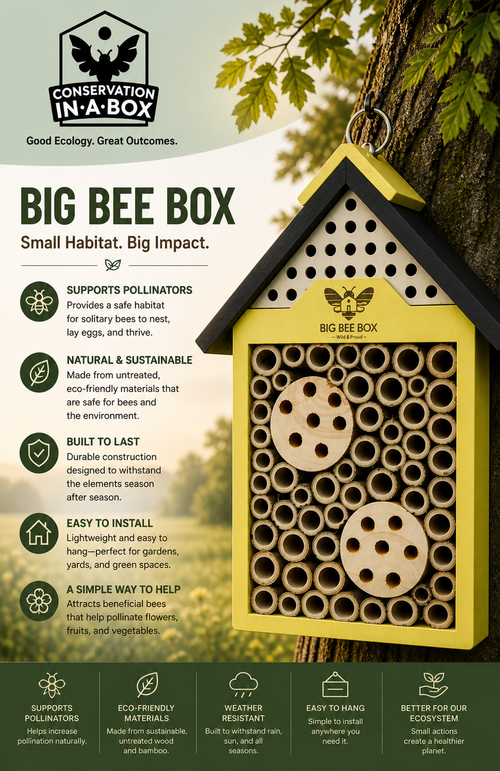
They move flower to flower, carrying pollen as they search for nectar. That pollen transfer helps many plants produce seeds, fruits, and new growth. Bees score by making plant reproduction possible.
Best move: pollination.
Team style: busy, cooperative, flower-focused.
Big impact: fruits, seeds, wildflowers, and crops.
Classroom clue: small bodies can do enormous ecosystem work.
If the World Cup were about plants making the next generation, bees would be hard to beat.
Team Bats: The Night Defenders
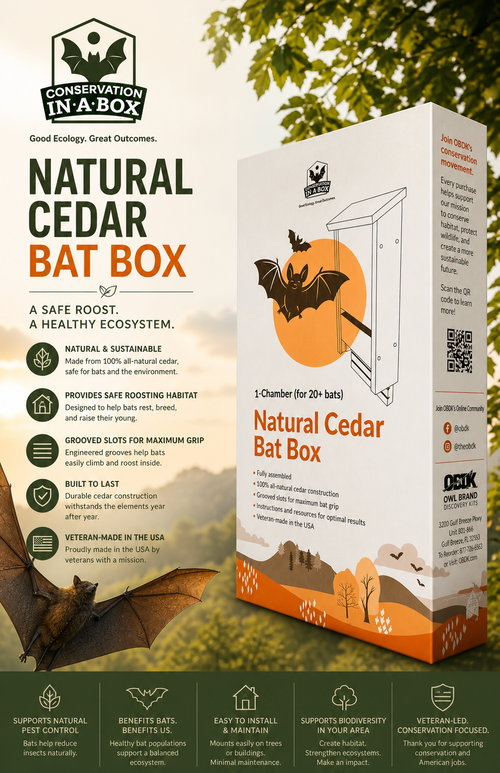
Bats would own the night match. Many bats eat insects, including moths, beetles, mosquitoes, and crop pests. Some species also pollinate flowers or disperse seeds, especially in warmer regions. They are fast, flexible, and built for dusk.
Best move: insect control.
Team style: aerial, nocturnal, sonar-smart.
Big impact: fewer insect booms and healthier habitats.
Classroom clue: bats are helpers, not Halloween villains.
Could bats win? If the game is “who protects the night food web,” they absolutely have a championship case.
Team Owls: The Silent Midfielders
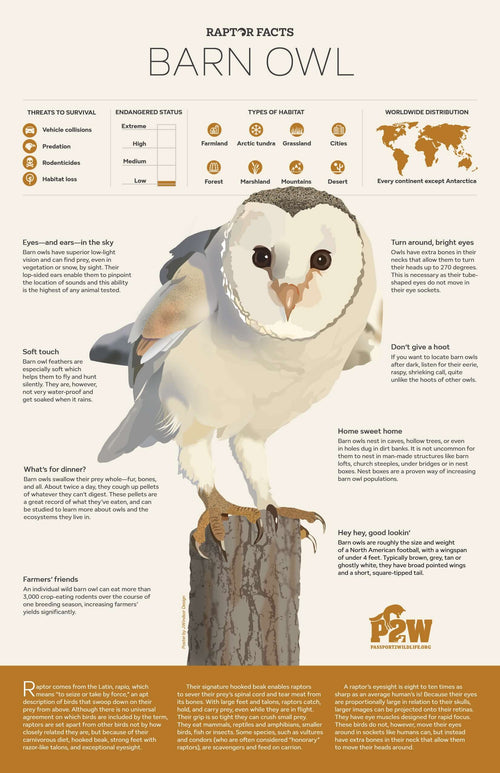
Owls are the quiet strategists. They watch, listen, wait, and then act with precision. Many owls eat small mammals such as mice, voles, and rats, which links them directly to fields, forests, barns, and human communities. Owls do not waste motion.
Best move: rodent control.
Team style: silent, patient, evidence-based.
Big impact: balanced prey populations and healthier food webs.
Classroom clue: pellets turn hunting into data.
In a soccer game, owls might not look flashy. But they would read the field beautifully.
Team Bears: The Powerful All-Rounders
Bears would be the team that surprises students. Yes, bears are strong. But they are also seasonal foragers, seed movers, soil turners, insect seekers, berry eaters, and nutrient cyclers.
They play the long game.
Best move: moving energy across habitats.
Team style: adaptable, powerful, seasonal.
Big impact: seed dispersal, soil disturbance, and nutrient cycling.
Classroom clue: big animals can shape landscapes without “trying.”
If the match rewards strength plus ecosystem influence, bears are serious contenders.
The Wildlife Cup Scoreboard
Here is a simple way to compare the teams without turning ecology into a popularity contest.
Wildlife Team |
Signature Skill |
If This Team Disappeared... |
|---|---|---|
Bees |
Pollination |
Many plants would struggle to make seeds and fruit. |
Bats |
Night insect control |
Some insect populations could increase quickly. |
Owls |
Rodent balance |
Prey populations could shift and affect crops, fields, and predators. |
Bears |
Seed and nutrient movement |
Some habitats would lose an important mover of energy and seeds. |
The lesson is not “one animal wins.” The lesson is: different jobs keep the whole field working.
So Who Wins the World Cup?
If students demand a trophy, let them argue with evidence.
Bees win if the match is pollination.
Bats win if the match is night insect control.
Owls win if the match is rodent balance.
Bears win if the match is landscape influence.
But if the tournament is called “Keeping Earth Alive”...
The winning team is the food web. Nature is not a single-star sport. It is a living league.
Classroom Connection: “Build the Wildlife Starting Lineup”
Turn the question into a low-prep debate and sorting activity.
Materials
Four animal cards: bees, bats, owls, bears.
Four job cards: pollination, pest control, seed dispersal, food web balance.
Paper field or whiteboard soccer field.
Sticky notes for evidence.
Steps
Choose captains: assign small groups one animal team.
Research the role: students list three ecosystem services.
Place the team: forward, defender, goalie, or midfielder.
Defend the choice: every placement needs evidence.
Vote again: after hearing evidence, students may revise.
Ask: Did your “winner” change when you learned more?
That is the scientific habit we want: notice → predict → look for more evidence.
The Takeaway
Bats, owls, bears, and bees would all play the Wildlife World Cup differently. Bees would pollinate. Bats would patrol the night. Owls would balance prey. Bears would move seeds, nutrients, and energy through the landscape.
So which team wins? The team that includes all of them. Ask your students: if one player left the field, how would the whole game change?