
No Products in the Cart
Peak Bear Conflict Month: Bins, Orchards, and Campsites Without the Drama

By late summer, the forest is running a very busy kitchen.
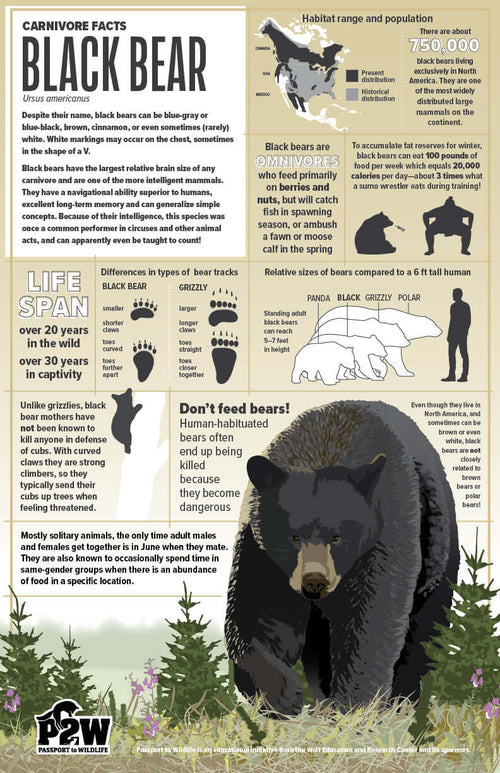
Berries ripen, insects peak, fruit drops, and bears enter a high-calorie season where every easy meal matters. In many bear regions, this is when conflict reports rise—not because bears suddenly become “bad,” but because the landscape becomes full of tempting shortcuts.
A trash bin, an apple tree, or a messy campsite can look like a simple math problem to a bear: big reward, little effort.
That is the teachable moment. Peak conflict month is not a monster story. It is an energy story.
The Late-Summer Food Rush
Bears spend much of late summer and fall preparing for winter. This intense feeding period is called hyperphagia, and it can make bears more focused on finding calories wherever they can.
Natural foods often include:
Berries: huckleberries, blueberries, blackberries, and other regional fruits.
Nuts and seeds: acorns, beechnuts, pine nuts, and other high-fat foods.
Insects: ants, grubs, larvae, and wasp nests where available.
Fruit: wild or domestic apples, plums, pears, and cherries.
When natural foods overlap with human foods, bears may move closer to neighborhoods, orchards, trailheads, and campgrounds. The pattern is a clue, not a rule, but it is common enough to plan for.
Bins: The Backyard Buffet Nobody Meant to Open
Trash is one of the easiest bear attractants to fix, which makes it one of the best examples for students.
A bear does not know a trash bin is “off limits.” It smells food, tests the container, and remembers the reward if it succeeds. One successful bin can teach a bear to check more bins.
Practical fixes:
Use bear-resistant bins where they are recommended or required.
Store bins indoors or in a secure shed until pickup morning.
Bag strong-smelling waste and reduce odors when possible.
Freeze meat scraps until trash day in high-bear areas.
Do not overfill bins so lids can close tightly.
The goal is not to “outsmart” a bear. The goal is to remove the invitation before the bear learns the route.
Orchards: When Fruit Becomes a Magnet
Orchards can be wonderful habitat edges. They can also become bear magnets when ripe fruit hangs low or piles up on the ground.
For bears, fallen fruit is efficient food. No digging. No chasing. Just calories waiting under a tree.
Practical fixes:
Pick fruit promptly as it ripens.
Clean up windfall fruit every day during peak season.
Use electric fencing for orchards in active bear country.
Harvest low branches first to reduce easy access.
Coordinate with neighbors because bears do not read property lines.
This is a strong food-web lesson: the same fruit can feed people, insects, deer, birds, and bears. Management is about timing and access.
Campsites: A Food Web With Zippers
Campsites concentrate smells in a very small area. Coolers, backpacks, wrappers, toothpaste, dishwater, and bacon grease can all become clues to a bear’s nose.
Most campsite fixes are simple, but they only work when everyone in the group follows them.
Practical fixes:
Use bear boxes or approved food storage when provided.
Keep food out of tents, including snacks and candy.
Store scented items like toothpaste, lotion, and lip balm with food.
Cook away from sleeping areas when backcountry guidance requires it.
Pack out trash and never leave scraps in fire rings.
Clean dishes and grills soon after meals.
For students, campsites make an easy cause-and-effect map: smell leads to investigation, investigation can lead to reward, and reward can lead to repeat behavior.
Black Bears, Grizzlies, and the Same Basic Lesson
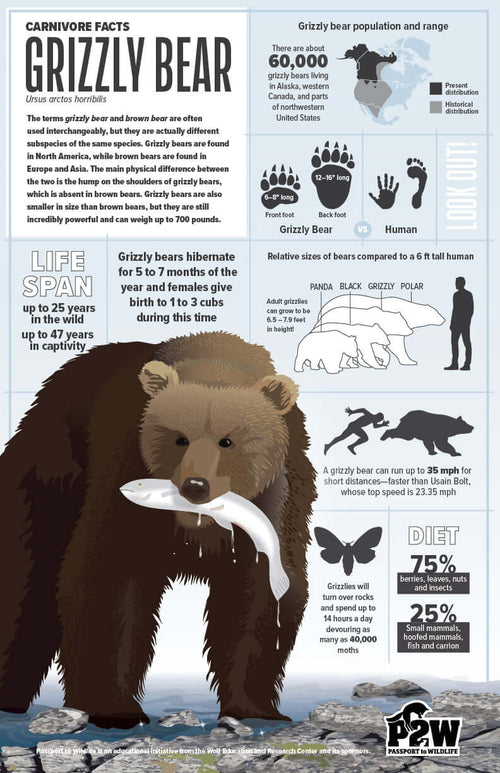
Black bears and grizzlies are different animals, and local safety guidance matters. A black bear near a wooded neighborhood is not the same situation as a grizzly near a remote trail corridor.
Still, the conflict pattern often starts with the same human-side problem: available attractants.
Black bears may explore neighborhoods, orchards, dumpsters, and campgrounds where food is easy to reach.
Grizzlies may use wider landscapes, but they can also be drawn to unsecured food, livestock feed, carcasses, or camps.
Both can learn quickly when human food pays off.
That is why prevention matters. It keeps bears wild and keeps people from creating risky habits by accident.
Classroom Connection: “Remove the Invitation” Attractant Audit
Turn peak conflict month into a problem-solving lesson. Students become wildlife planners looking for attractants in three places: a backyard, an orchard, and a campsite.
Materials
A simple map or drawing of each site.
Sticky notes or index cards.
Three colors: attractant, risk, and fix.
Steps
Notice: Students mark anything that could smell like food.
Predict: They decide which item a bear might investigate first and why.
Fix: They add a practical solution for each attractant.
Explain: Each group shares one change that prevents a bear from getting a reward.
Sentence frame: “We removed the invitation by changing __, because a bear could learn __.”
This keeps the lesson calm, useful, and evidence-based.
Teacher Takeaway
Peak bear conflict month is usually not about bears looking for trouble. It is about bears finding calories during the busiest feeding season of the year.
Bins, orchards, and campsites become problems when they offer easy rewards. The fix is practical: secure the food, reduce the smell, clean up quickly, and make the wrong choice less available.
Ask students one final question: If a bear learns from every meal, what are we teaching it?