
No Products in the Cart
Pellets, Biodiversity & Ecosystems

Hook: pellets help scientists and conservationists monitor biodiversity, track small mammal populations, and understand ecosystem health.
Most of the important work happens while we are asleep.
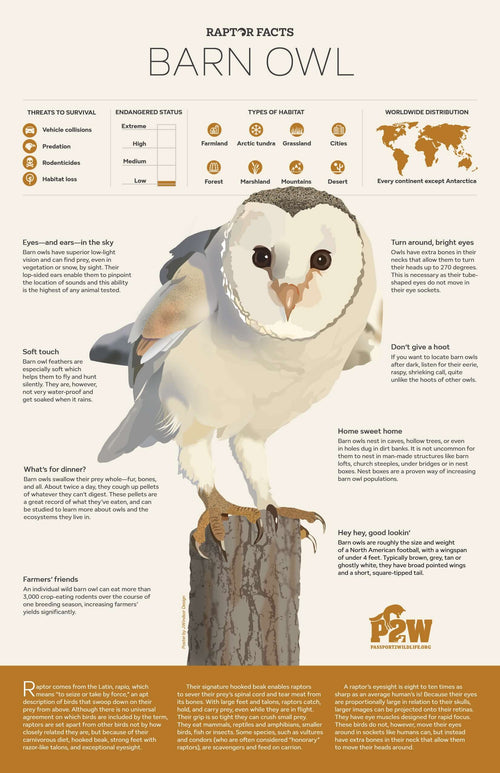
A barn owl glides over a field. A mouse moves under dry grass. A vole freezes beside a fence line. Somewhere in the dark, a silent predator hears what we would never notice.
By morning, the owl is gone.
But the evidence remains.
That evidence is the owl pellet — a compact bundle of fur, bones, teeth, feathers, and insect parts that tells a surprisingly detailed story about what happened after sunset.
To students, pellets may look like a strange science-lab object. To scientists, they are something much bigger: field data.
Every pellet is a clue about the hidden lives of nocturnal predators and the small animals living around them.
What Is an Owl Pellet?
Owls often swallow prey whole or in large pieces. The soft parts are digested, but the parts the owl cannot digest — bones, fur, feathers, teeth, claws, and insect shells — are packed together in the owl’s digestive system and later coughed up as a pellet.
That sounds gross at first.
But it is also brilliant.
A pellet is like a natural record of the owl’s diet. When researchers or students carefully pull it apart, they can often identify what the owl ate by looking at skulls, jawbones, teeth, and other remains.
A single pellet might reveal:
- Mice
- Voles
- Shrews
- Rats
- Small birds
- Insects
- Frogs or reptiles, depending on habitat
That means the pellet is not just about the owl.
It is about the whole food web.
Owls as Bioindicators
A bioindicator is a living organism that gives us clues about the health of an ecosystem. Owls can work as bioindicators because their diets reflect what is happening in the local environment.
If an owl is eating mostly voles, that tells us voles are available in the area. If pellets suddenly show fewer small mammals, that may suggest a change in habitat, prey population, weather, food supply, disease, or human impact.
Owls do not write field reports.
They leave pellets.
And those pellets can tell us:
- Which small mammals are present
- Which prey species are abundant or rare
- How prey populations change over time
- Whether habitat supports a healthy food web
- How land use affects predator-prey relationships
This is why pellets matter beyond the classroom. They help conservationists see what is happening in places where humans are not watching all night.
Small Mammals: The Hidden Majority
When people talk about wildlife, they often focus on the big animals: bears, wolves, eagles, owls.
But ecosystems also depend on small mammals — the quiet, fast-moving animals that live under grass, leaves, soil, barns, hedgerows, and field edges.
Small mammals are important because they:
- Move seeds
- Dig and aerate soil
- Feed predators
- Respond quickly to habitat changes
- Reflect changes in food, cover, and climate
They are also hard to monitor. Many are nocturnal. Many are tiny. Many stay hidden most of the time.
That is where owls help.
An owl pellet can reveal small mammals that students or scientists might never see alive. The owl becomes an accidental wildlife surveyor, collecting samples from the landscape every night.
Pellets and Local Biodiversity
Biodiversity means the variety of life in an area. A field with many prey species usually tells a different story than a field with only one or two.
When researchers study pellets from the same location over time, they can compare what prey species appear and how often they appear. That can help answer questions like:
- Are local rodent populations increasing or decreasing?
- Are certain species disappearing from the food web?
- Is habitat becoming less diverse?
- Are grasslands, wetlands, farms, or forests supporting enough prey?
- Do owl diets change between seasons?
For example, pellets from a healthy mixed habitat might contain several types of small mammals. Pellets from a simplified or heavily disturbed habitat might show fewer species or a diet dominated by only one prey type.
That does not automatically prove the ecosystem is unhealthy, but it raises a useful question.
And science often begins with a good question.
Disease Clues in the Food Web
Pellets can also help researchers think about disease in small mammal populations.
Small mammals can carry parasites, bacteria, or viruses, and changes in their populations may affect disease risk in an ecosystem. If pellet data show that one rodent species is becoming unusually abundant, that may be worth watching. If certain prey populations crash, that may also signal disease, habitat stress, poisoning, or food shortage.
Owls do not diagnose disease directly.
But their pellets can help scientists decide where to look more closely.
This is the power of indirect evidence. A pellet does not say, “There is a disease outbreak.” But it may show a shift in prey communities that leads researchers to investigate further.
For students, this is an important science lesson: evidence does not always give the full answer. Sometimes it tells us what question to ask next.
Conservation: Reading the Landscape Through Diet
Owl pellets are especially useful because they connect predator behavior to land health.
If an area has enough prey, enough shelter, and enough safe hunting space, owls can often thrive. If the habitat changes too much, the pellet record may change too.
Human activity can affect what shows up in pellets:
- Pesticides can reduce insect and small mammal food sources.
- Rodenticides can poison prey and harm predators that eat them.
- Habitat loss can reduce nesting, roosting, and hunting areas.
- Over-mowing or removing field edges can reduce cover for prey.
- Healthy hedgerows, grasslands, and wetlands can support richer food webs.
That means pellet studies can support conservation decisions. They help us see whether a landscape is still feeding its nocturnal predators.
A pellet is small.
But the story inside it can be big.
Classroom Connection: Pellet Data Detectives
Turn owl pellet study into a biodiversity investigation, not just a dissection.
Give students either real sterilized pellets or prepared pellet data cards. Each group becomes a team of Pellet Data Detectives trying to answer this question:
What does this owl’s diet tell us about the local ecosystem?
Students should record:
| Evidence Found | What It Might Mean |
|---|---|
| Several vole skulls | Voles may be common in the area |
| Mouse and shrew remains | Habitat may support multiple small mammal species |
| Mostly one prey species | The owl may be specializing, or the habitat may have lower diversity |
| Insect parts | Owl may be hunting smaller prey or feeding in insect-rich habitat |
| Bird bones | Prey availability or hunting behavior may vary by season |
Then have students calculate a simple biodiversity score:
- 1 point for each prey type found
- Bonus point if they find evidence of more than one animal group, such as mammals and insects
- Discussion point if one prey type dominates the pellet
The goal is not to make students “prove” ecosystem health from one pellet. The goal is to teach them that pellets are evidence, and evidence becomes stronger when we compare more samples across time and place.
Final Detective Questions
Ask students:
- What prey species were most common?
- What does that suggest about the habitat?
- Would one pellet be enough evidence? Why or why not?
- What might change if we collected pellets in another season?
- How could this help conservationists monitor biodiversity?
This shifts the activity from “What bones did we find?” to “What story does the food web tell?”
Teacher Takeaway
Owl pellets are more than classroom curiosities. They are natural records of predator-prey relationships, local biodiversity, and ecosystem change.
By studying what owls eat, we can learn about the animals living around them — especially the small mammals that are usually hidden from view. Pellets can help scientists and conservationists monitor prey populations, track habitat shifts, and notice patterns that may point to disease, stress, or environmental change.
The big idea for students is simple:
The owl hunts at night, but the pellet tells the story in the morning.
And when students learn to read that story carefully, they are not just studying bones.
They are learning how ecosystems leave evidence behind.