
No Products in the Cart
Myth-Busters: Owl Pellets Aren’t Poop!

Hook: Owl pellets are not poop — and they usually do not smell.
Let’s be honest.
The first time a student sees an owl pellet, there is usually one question waiting to explode out of the room:
“Is that poop?”
Fair question. It is small. It is brown or gray. It came from an animal. It is found on the ground. So yes, the confusion makes sense.
But here is the myth-buster moment: Owl pellets are not poop.
They are not droppings. They are not feces. They are not owl bathroom business.
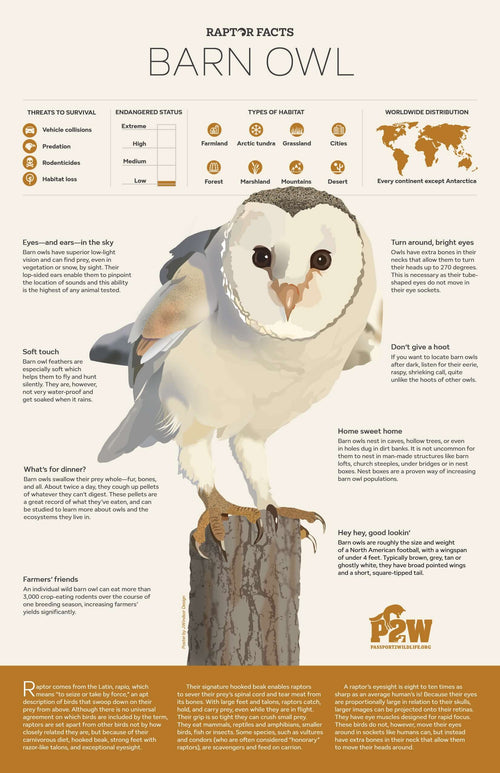
Owl pellets are regurgitated bundles of undigested prey parts — mostly fur, bones, teeth, feathers, and sometimes insect shells. They come back up through the owl’s mouth, not out the other end. Cornell Lab’s teaching guide puts it in the blunt classroom-friendly way: pellets are “puke, not poop,” formed when the owl’s gizzard packs indigestible parts into a pellet that the owl casts back up.
And the best surprise?
Owl pellets usually do not smell. The Barn Owl Trust notes clearly that owl pellets are not droppings and “do not smell,” which is one reason they work so well as classroom investigation materials.
Why Do People Think Pellets Are Poop?
The myth probably comes from simple observation. People find pellets on the ground under trees, barns, beams, nest boxes, or roosting spots. If something falls from an animal and lands below where it was sitting, most of us make the obvious guess.
Also, pellets do not look glamorous. They can resemble little gray lumps, fuzzy clumps, or dried animal droppings. If you do not know what you are seeing, “poop” is the fastest explanation.
But that is exactly why owl pellets are such a good teaching tool. They show students that first guesses are not always scientific conclusions.
A student may say: “It looks like poop.”
A scientist says: “What evidence tells us what it actually is?”
That shift — from “looks like” to “evidence shows” — is the real classroom magic.
So What Is an Owl Pellet?
Owls often swallow prey whole or in large pieces. A mouse, vole, shrew, or small bird goes down with bones, fur, teeth, claws, and feathers included.
Inside the owl, digestion separates the meal into two categories:
- Digestible parts: meat, organs, soft tissue
- Indigestible parts: bones, fur, teeth, feathers, claws, insect shells
The digestible parts move through the digestive system. The indigestible parts stay behind in the gizzard, where they are packed into a tight pellet. Later, the owl regurgitates or “casts” the pellet through its mouth. Cornell Lab explains that owls swallow prey whole but cannot digest parts like bones, teeth, and fur, so the gizzard forms them into a pellet that is spit back up.
So the pellet is not waste in the bathroom sense.
It is more like the owl saying: “Useful nutrition absorbed. Weird crunchy leftovers returned.”
Nature is efficient. Also slightly gross. Perfect combination for science class.
Wait: If Pellets Are Not Poop, What Is Owl Poop?
Now we get to the fun biology.
Birds do not poop exactly like mammals. Owl excrement usually contains both darker fecal material and white urates, which come from nitrogen waste. In birds, waste exits through the cloaca, and the white part people often see under roosts is commonly called whitewash.
If you have ever seen white splatter below a bird perch, roof edge, barn beam, or tree branch, that is much closer to actual bird excrement than a pellet.
So here is the classroom comparison:
| Owl Pellet | Owl Excrement |
|---|---|
| Comes out through the mouth | Comes out through the cloaca |
| Made of undigested prey parts | Made of digestive and nitrogen waste |
| Often contains bones, fur, teeth, feathers | Often appears as whitewash with darker material |
| Usually does not smell much | Can smell like animal waste |
| Useful for studying diet and food webs | Useful for identifying roosting areas, but not a pellet dissection item |
The International Owl Center even gives a useful field tip: if you are looking for wild pellets, check under trees for both whitewash and pellets, because owls often cast pellets near regular roosts. It also warns that people should be sure they have found an owl pellet and not mammal scat, because some mammal droppings can carry dangerous parasites.
That safety note matters. In classrooms, use sterilized pellets (like ours) prepared for education, OBDK-style, not mystery lumps from the ground.
Why Don’t Owl Pellets Smell Like Poop?
Because they are not feces.
A pellet is mostly dry fur, bones, teeth, feathers, and other hard prey remains. By the time it is cast, much of the soft, smelly material has already been digested and moved on. That is why a sterilized classroom pellet is usually more “dusty science object” than “gross animal bathroom disaster.”
Fresh wild pellets may be darker and moist at first, and older pellets can turn gray as they dry. Barn Owl Trust notes that Barn Owl pellets are black when fresh and gradually turn gray with age.
So yes, students may still say “ew.” But it is usually not the smell that gets them. It is the moment they pull out a tiny skull.
Why Owls Make Such Good Pellets
Many birds produce pellets, not just owls. Birds of prey, crows, gulls, and even some smaller birds can cast pellets depending on what they eat. But owl pellets are especially famous because owls often swallow prey whole and their digestive systems leave many bones intact enough for identification. Barn Owl Trust notes that many birds produce pellets, but owls are especially useful for pellet investigation because their pellets can reveal what they have eaten.
That makes owl pellets perfect for studying:
- Predator-prey relationships
- Small mammal diversity
- Food webs
- Adaptations
- Digestion
- Evidence-based science
A pellet is not just a lump. It is a biological receipt.
It says: “Here is what the owl ordered last night.”
Classroom Activity: Pellet or Poop?
Turn the misconception into the lesson.
Start by showing students photos or models of three things:
- Owl pellet
- Bird whitewash/excrement
- Mammal scat
Do not label them at first. Ask students to make observations only. No guessing yet. Just evidence.
Students record:
| Mystery Sample | Shape | Texture | Contents | Where Found | Prediction |
|---|---|---|---|---|---|
| Sample A | Oval, compact | Fur-like | Tiny bones visible | Under owl roost | Pellet |
| Sample B | White splatter | Liquid/dried stain | No bones | Under perch | Bird excrement |
| Sample C | Tubular | Solid waste | Plant/food remains | Trail or ground | Mammal scat |
Then reveal the answer and have students explain which clues mattered most.
The Key Teaching Moment
Ask: “What made us think one sample was poop, and what evidence changed our mind?”
That question turns a silly myth into scientific reasoning.
Owl Biology Extension: Follow the Food
Once students understand that pellets are not poop, have them build the owl digestion pathway:
- Owl catches prey
- Owl swallows prey whole or in chunks
- Soft tissues digest
- Indigestible parts collect in the gizzard
- Pellet forms
- Pellet is regurgitated
- Actual excrement leaves through the cloaca
Students can draw this as a comic strip titled: “The Journey of a Mouse: Two Exit Routes”.
One route becomes energy and waste. The other route becomes a pellet. That wording gets a laugh, but it also teaches the biology correctly.
Teacher Takeaway
Owl pellets are often mistaken for poop because they are found on the ground, look like animal waste, and come from a predator most students rarely see in action. But pellets are not droppings. They are regurgitated packets of indigestible prey remains.
Actual owl excrement is different. It exits through the cloaca and often appears as whitewash with darker waste material.
That distinction makes a great biology lesson. Students learn that digestion is not just “food goes in, waste comes out.” In owls, some material moves through the digestive tract, while some gets packed into a pellet and cast back up.
The big idea: Pellets are not poop. They are evidence.
And in the classroom, evidence is exactly where good science begins.