
No Products in the Cart
If Bees Have a Queen, Do Wolves Need a King?

Hook: If bees have a queen, should wolves have a king?
It sounds like the start of a very tiny fairy tale. A queen bee sits at the center of a buzzing colony. A wolf pack moves through snow like a team. A herd of bison shifts across grassland as if someone gave a secret signal.
So students naturally ask: Who is in charge? The fun answer is: sometimes an animal group has a leader, sometimes it has parents, sometimes it has experienced elders, and sometimes the “boss” changes with the problem. Nature is less like a castle. It is more like a group project where survival is the grade.
The Royal Question
Humans love to describe animals with human words. We say queen bee, alpha wolf, lead mare, and dominant bull. Those labels can be useful, but they can also trick us. A name is a clue, not a rule. Ask students to pause before deciding that every animal group works like a kingdom.
Who makes decisions?
Who protects the group?
Who finds food or safe routes?
Does leadership change with age, season, or danger?
That turns a silly question into real science.
Bee Queens Are Not Storybook Queens
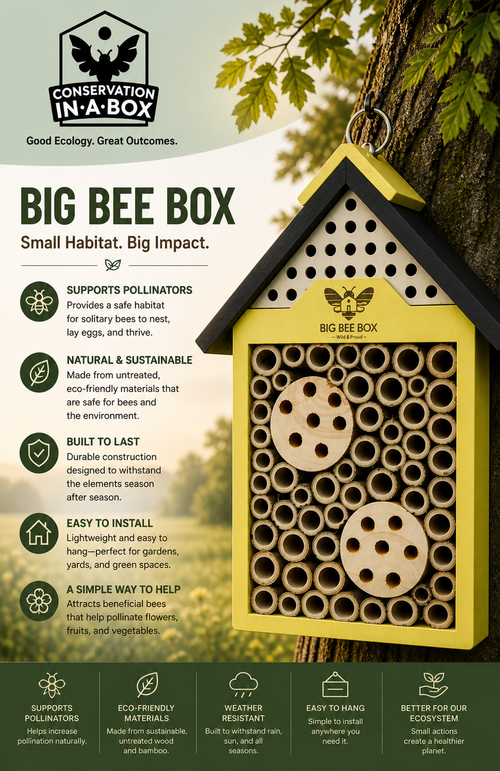
A honey bee queen is important, but she is not sitting on a throne giving tiny orders. Her main job is reproduction. She lays eggs that keep the colony growing. Worker bees do much of the daily colony work.
Worker bees: gather nectar, build comb, feed larvae, clean, and defend.
Drones: are male bees whose main role is mating.
The queen: lays eggs and releases chemical signals called pheromones.
So yes, bees have a queen. But “queen” in bee science means specialized role, not royal boss.
Wolves Don’t Need a King
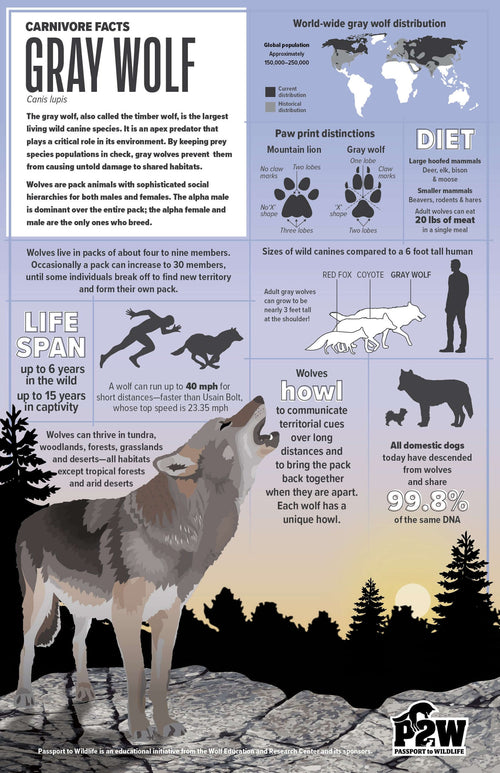
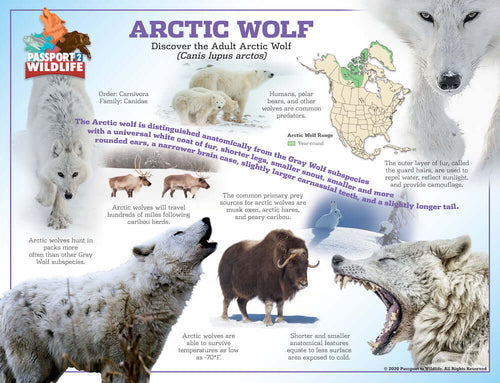
Wolf packs are often misunderstood because of the old “alpha wolf” idea. Many wild wolf packs are actually family groups: breeding adults, their pups, and sometimes older offspring from past years. That means the “leaders” are often best understood as parents.
Adult wolves: guide travel, hunting, and pup care.
Older siblings: may help feed and watch younger pups.
Pups: learn rules through play, feeding, and following the group.
Do wolves have status and social signals? Yes. Do they need a crown, throne, or king? Not at all. A wolf pack works because family cooperation solves hard problems—finding food, raising pups, and saving energy across big landscapes.
Herds Follow Experience, Not Crowns
Herd animals add another twist. In many herds, leadership often depends on experience, memory, and timing. The animal that knows where water is, where danger appears, or when to move may shape the group’s choices.
Elephants: older females often guide family groups with deep memory of routes and resources.
Horses: herds may include a lead mare that influences movement and a stallion that helps with defense.
Bison: group movement can shift with season, food, and breeding behavior.
Deer: alert individuals may cue the group when danger is near.
Leadership is not always “strongest animal wins.” Often, it is best information wins.
Dominance Is Real—But It Is Not the Whole Story
Some animal groups do have dominance relationships. Dominance can help reduce constant fighting by making access to food, mates, or space more predictable. But it is only one part of social life. Students can sort animal “leadership” into better categories:
Animal Group |
Leadership Clue |
Better Science Word |
|---|---|---|
Honey bees |
One egg-laying queen |
Specialized role |
Wolf pack |
Adults guide the group |
Family cooperation |
Elephant herd |
Older female leads travel |
Experience and memory |
Horse herd |
Different animals influence movement and safety |
Shared social roles |
The pattern is useful—but not perfect. That is the science sweet spot.
Classroom Connection: “Who’s in Charge?” Animal Council Game
This activity lets students act out animal decision-making without turning animals into cartoons.
Materials
Animal group cards: bees, wolves, elephants, horses, bison, deer
Problem cards: find food, avoid danger, raise young, move to water, stay warm
Role cards: parent, worker, elder, scout, defender, youngster
How to play
Choose a group: each team receives one animal group card.
Draw a problem: the group must solve a survival challenge.
Assign roles: students decide which animal role has the best information.
Defend the decision: teams explain who leads and why.
Add a twist: change the season, add a predator, or remove a food source.
Sentence frame
“In our animal group, the best leader for this problem is ___ because ___.”
Then ask the big question:
Did one animal lead every time, or did leadership change with the situation?
Teacher Takeaway
Bees may have a queen, but wolves do not need a king. Animal groups are shaped by jobs, relationships, age, memory, reproduction, and survival challenges. Sometimes leadership is about strength. Often, it is about information. The real lesson is not “who is the boss?” It is: what problem is the group trying to solve—and who has the best role for solving it?