
No Products in the Cart
If an Owl Hosted the Fourth of July Barbecue: A Moonlit Summer Menu

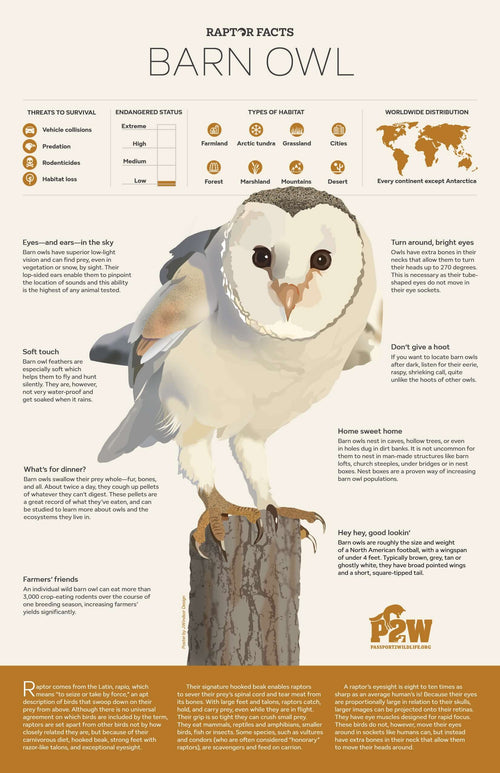
Hook: If a Barn Owl planned the Fourth of July barbecue, the party would start at dusk.
No charcoal smoke. No paper plates. No cooler full of lemonade. Just a pale shape slipping over a summer field while fireworks pop far away and the grass whispers with tiny movement. For people, July means cookouts, corn, watermelon, and picnic blankets. For owls, July means something else: a busy night shift in a very full food web. So let’s imagine the question students will love: What would be on an owl’s Fourth of July menu?
The Cookout Begins at Twilight
A Barn Owl would not send invitations for noon. Too bright. Too hot. Too much daytime noise. The real owl barbecue begins when the sun drops low and the field changes shifts. Day animals settle down or head for cover. Night animals begin to move. Insects buzz, chirp, and click in the warm air. Small mammals travel through grass tunnels and field edges. Owls leave roosts and start listening. That is the first big lesson: time of day is part of habitat. For an owl, dusk is not just pretty. It is useful.
The Summer Menu: What the Field Is Serving
An owl does not choose food from a menu board. It hunts what the habitat makes available. In many summer fields, farms, and grasslands, that may include:
Voles: small grassland mammals that often use runways under thick vegetation.
Mice: common prey in barns, field edges, and weedy places.
Shrews: tiny insect-eaters that may show up in pellet evidence.
Young rodents: more common when summer breeding has increased prey numbers.
Large insects: especially for some owl species and younger hunters learning the job.
That sounds like an owl cookout, but it is really a seasonal food web. Warm weather grows plants. Plants support insects and small mammals. Small mammals support predators. July is abundance season — but abundance is never random.
Why July Is So Busy
By the Fourth of July, many ecosystems are in full summer motion. Grasses are tall. Seeds are forming. Insects are active. Rodent populations may be rising because food and cover are easier to find. For owls, that matters because summer often overlaps with family needs.
Nesting season may still be active for some owls. Young owlets may be growing fast and demanding food. Fledglings may be practicing short flights and hunting skills. Adults may need to hunt repeatedly through the night.
So the owl’s summer “barbecue” is not a holiday treat. It is an energy plan. More mouths means more hunting. More hunting means the habitat must provide.
The Guest List: Who Shows Up After Dark?
If students picture only the owl, they miss the best part. A Fourth of July field at night is crowded with quiet workers.
Moths visit flowers and become food for bats and other animals. Crickets call from grass and leaf litter. Beetles move through soil and plant stems. Mice and voles follow cover, seeds, and shelter. Snakes, foxes, and raptors may also use the same food web in different ways.
The owl is not outside the party. The owl is part of it. That is a helpful classroom shift: predators are not villains at the picnic. They are balance keepers in a living system.
Fireworks, Noise, and the Listening Problem
Here is where the Fourth of July becomes more than a fun metaphor. Owls rely heavily on sound, especially Barn Owls with their heart-shaped facial disks and precise hearing. Sudden loud noise can change the night landscape.
Fireworks may mask quiet rustles. Human activity may keep prey hidden or change movement. Bright flashes may disturb some wildlife. Busy roads can add danger near hunting areas.
This is not a scare story. It is a clue. Ask students: if you hunted by hearing, what would a noisy holiday night do to your map?
The “Owl Chef” Rule: Habitat Decides the Menu
If an owl were the chef, it would still have one rule: You can only serve what the habitat grows.
That means students can connect menu items to habitat features.
Tall grass: cover for voles and mice.
Field edges: travel lanes for many small animals.
Old barns and nest boxes: possible roosting or nesting spaces.
Healthy soil: supports plants, insects, and the base of the web.
Low pesticide use: helps protect insects and the animals that eat them.
The owl’s menu is really a habitat report. And like all good science, it is a clue, not a rule.
Classroom Connection: “Build the Owl Barbecue Menu”
Turn the holiday idea into a simple food web activity.
Materials
Index cards or sticky notes
Markers
A board or chart paper
Optional owl poster or pellet prey chart
Set up the menu
Appetizers: insects and small prey items.
Main course: mice, voles, or other common owl prey.
Side dishes: grasses, seeds, and plants that support prey.
Guests: owl, rodents, insects, plants, decomposers, and humans.
Student task
Choose one menu item.
Trace what it depends on.
Add arrows to show energy flow.
Mark each card as producer, consumer, or predator.
Write one claim: “This owl menu is possible because…”
Discussion question: What would happen to the menu if the field were mowed too early, sprayed heavily, or replaced by pavement? Now the pretend barbecue becomes real ecology.
The Takeaway
If an owl hosted the Fourth of July barbecue, the menu would not be burgers and corn. It would be the summer field itself: grasses, insects, rodents, sound, shadows, and timing. That is the beauty of the lesson. A silly question — what would an owl serve at a cookout? — becomes a serious science skill: notice the season, predict the prey, and look for more evidence. So ask your students: If habitat decides the menu, what is your local summer landscape serving tonight?