
No Products in the Cart
Do Bees Drink Water? Hive Hydration, Bee Poop, and Other Tiny Truths

Hook: a bee at a puddle is not taking a break.
It may be doing one of the most important jobs in the colony. Water looks simple to us. To a bee, it can be a drink, a cooling system, a baby-food ingredient, and a hive tool all at once. So yes: bees drink water. But the better classroom question is: what problems does water help bees solve?
The Puddle Crew
Honey bees, bumble bees, and many other bees get moisture from nectar, but they may also collect plain water from puddles, wet soil, pond edges, leaves, birdbaths, or tiny droplets. For a honey bee colony, water gathering can become a real job. Some worker bees act like water carriers. They fill their crop — a special storage pouch — and bring water back to the hive.
Then other bees may use it where it is needed.
Drinking: bees need water for basic body function.
Cooling: water helps regulate hive temperature.
Feeding young: nurse bees need moisture to prepare larval food.
Diluting food: thick honey may be mixed with water.
Humidity control: moisture helps keep the brood area stable.
A puddle is not just a puddle. It can be part of the hive’s supply chain.
Water Is Air Conditioning
On hot days, a hive can overheat. That is a problem because developing bees, the brood, need fairly stable conditions. Too hot or too dry, and the colony has work to do. Bees can spread water inside the hive and fan their wings. As the water evaporates, it cools the air. It is not exactly like a classroom air conditioner, but the science idea is the same: evaporation removes heat.
Students can connect this to everyday evidence:
sweat cooling skin
wet pavement feeling cooler
a damp cloth cooling as it dries
dogs panting to move moist air
Water helps bees control the tiny climate inside the hive.
Do Bees Pee?
Here is where the answer gets interesting. Bees do not pee the way mammals do. They do not make a stream of liquid urine from kidneys like we do. Insects have organs called Malpighian tubules that help remove wastes from the body. Many insects conserve water by turning nitrogen waste into a thicker material, often involving uric acid. So if a student asks, “Do bees pee?” the best answer is: they get rid of body waste, but not as liquid pee like humans. That is a great chance to teach comparison without making one animal the “normal” one.
Humans: kidneys make liquid urine.
Birds: waste often comes out as white urates with droppings.
Bees: insect organs process waste while conserving water.
Same big problem. Different body plan.
Do Bees Poop?
Yes. Bees poop. Honey bees usually avoid pooping inside the hive when they can. Worker bees often take cleansing flights, especially after cold weather, and release waste outside. That is why beekeepers may notice yellowish spots near hives, cars, fences, or snow after warm winter days.
It is not “bee misbehavior.” It is sanitation. For students, this is a quiet ecology lesson: living things must take in materials, use what they can, and remove what they cannot.
Nectar: energy source.
Pollen: protein and nutrients.
Water: hydration and hive climate control.
Waste: removed from the body and, usually, from the hive space.
A clean hive is part of colony survival.
Do Bees Vomit Honey?
This one needs careful wording. People often say honey is “bee vomit,” but that is not quite fair. Foraging bees collect nectar in a special pouch called the honey stomach or crop. It is used for carrying nectar, not digesting a bee’s regular meal in the same way our stomach does.
Back at the hive, bees pass nectar to other bees mouth-to-mouth. Enzymes begin changing the nectar, and bees fan it to remove water. Over time, it becomes honey. So is it vomit?
Not in the sick, upset-stomach sense. It is better to call it regurgitated and processed nectar — a food-storage system built by the colony. Precise words matter. They turn “gross!” into “oh, that is how it works.”
What About Bee Pellets?
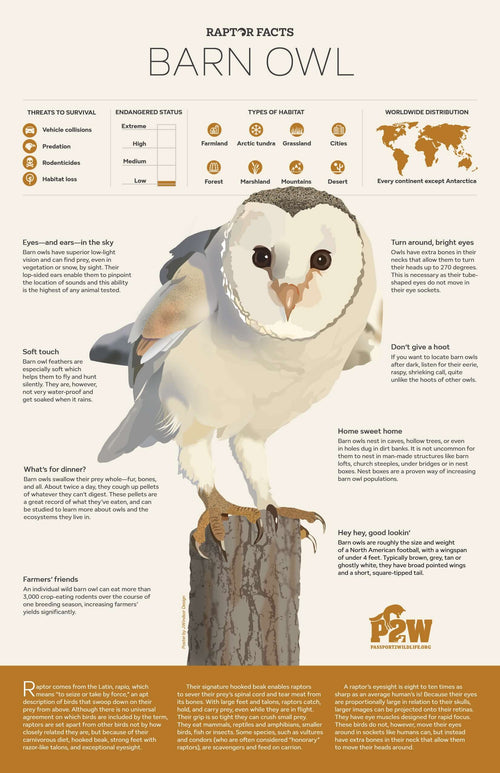
Bees do make something called pollen pellets, but they are not like owl pellets. A pollen pellet is a packed load of pollen carried on a bee’s hind legs. Many bees have special hairs or baskets that help hold it in place. Owl pellets are different. They are regurgitated masses of indigestible bones and fur. Bee pollen pellets are gathered food. Owl pellets are leftover evidence from a meal.
Bee pollen pellet: collected from flowers and carried to the nest.
Owl pellet: indigestible prey parts coughed up after digestion.
Both: clues students can observe.
Not the same: one is a food load, one is a feeding record.
That difference is small, but powerful. It teaches students to compare evidence carefully.
Classroom Connection: “Bee Water Detective”
This is a low-prep activity for turning bee questions into evidence thinking.
Materials
Chart paper or notebooks
Four labels: drink, cool, feed, remove waste
Optional: shallow dish, pebbles, and water
Optional: bee or pollinator photos
What students do
Notice: bees visit water sources.
Predict: why might they need water?
Sort: match each water use to a hive problem.
Compare: bee pollen pellets vs owl pellets.
Revise: add “a clue, not a rule” beside any uncertain idea.
If you build a model bee water station, keep it simple: a shallow dish with pebbles or marbles above the waterline. The pebbles matter because tiny animals need landing places. A deep open bowl can be dangerous.
Ask students: How can a water source be helpful and risky at the same time?
The Takeaway
Bees drink water, but water is more than a drink. It helps cool the hive, feed young bees, thin stored food, and keep the colony’s tiny climate working.
Bees do poop. They do remove body waste. They do not pee like mammals. And honey is not “vomit” in the gross-out way students may hear — it is processed nectar moved through a colony system. The best science lesson is not “bees are strange.” It is this: every animal has a body plan that solves survival problems. So when students see a bee near a puddle, ask them: what job might that water be doing?