
No Products in the Cart
Do Bears Actually Like Honey

Hook: The cartoon version is a bear with a honey jar and zero consequences. Real life is a bear doing cost–benefit math while bees file a complaint.
So, do bears like honey?
Yes, often. But not always for the reason we think and the real prize usually isn’t the honey.
It’s calories.
The Folklore Version
Humans have told honey-bear stories forever because it’s such a clean, satisfying image:
- Big animal
- Tiny insects
- Sweet reward
- Comedic chaos
From old folk tales to modern cartoons, honey becomes shorthand for “bears love treats.” It’s easy to remember, easy to draw, and it makes bears feel like a fuzzy neighbor with a snack problem.
But wild bears aren’t chasing honey because they’re craving dessert. They’re chasing it because bears are built to notice one thing very quickly: high-energy food.
The Reality: Bears Want the Whole Nest, Not Just the Honey
Here’s the main upgrade for students and adults alike:
Bears don’t “love honey” as much as they love what comes with a bee nest.
A bee nest is a compact vault of multiple foods:
- Honey (sugar energy)
- Bee larvae and pupae (brood) (protein and fat)
- Pollen (nutrients)
- Wax (energy-rich, sometimes eaten)
- Adult bees (occasionally, but mostly a consequence of the raid)
If you’ve ever seen a bear tear into a nest, it can look like a honey mission. Biologically it’s closer to: this whole structure is a calorie jackpot, and honey is only part of the prize.
Which Bears Actually Go After Honey
American black bears
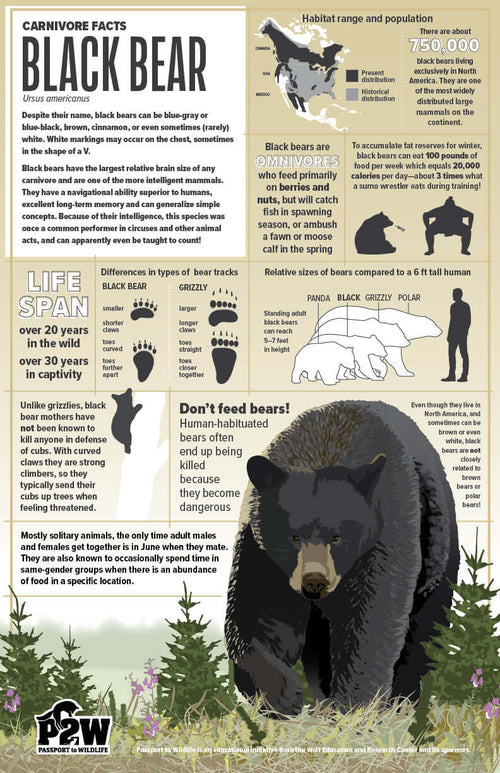
Black bears are the classic “honey bear” because they’re excellent climbers and skilled foragers. They’ll raid nests in trees, logs, and sometimes ground nests if they find them. In many regions, black bears are the bear most likely to turn a bee nest into a personal project.
Grizzlies and brown bears
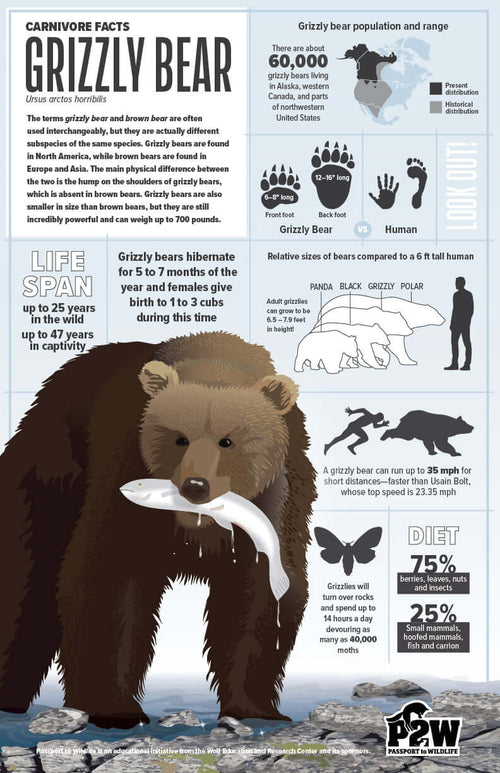
Grizzlies will also go after nests when the opportunity is worth it. Their foraging style often includes flipping rocks, tearing into logs, and digging. A ground nest can be on the menu, especially when bears are actively seeking high-value foods.
Polar bears
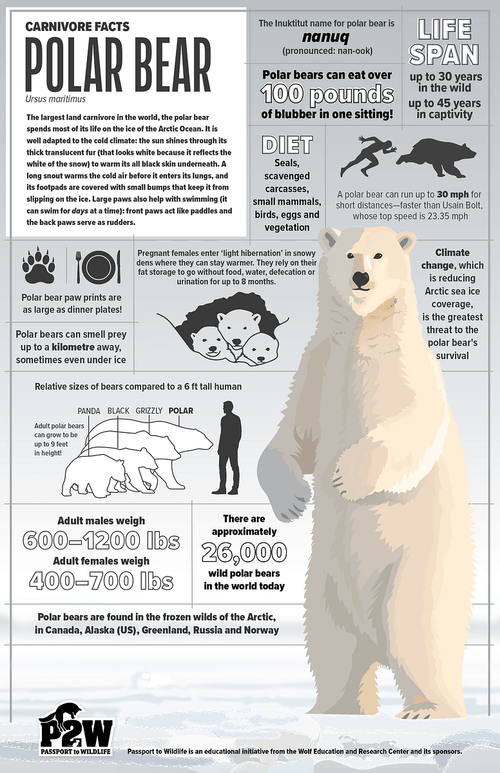
Polar bears live in a world where bee nests aren’t a major feature. Their primary high-calorie targets are very different, so the honey folklore doesn’t really map onto their ecology.
So the honey story fits best where bees and bears overlap on the landscape, and where a nest is a realistic prize.
Do Bears Get Stung
Yes. Bees sting bears, and it’s not a gentle experience.
Bears have some protection:
- thick fur reduces how many stingers reach the skin
- tough skin adds another layer of defense
- behavior: bears often swipe fast, back off, and return, treating the raid like a series of attempts rather than one long attack
But stings still hurt. You’ll often see bears:
- shake their heads
- paw at their faces
- retreat and re-approach
The most sensitive areas are where fur is thinner:
- around the eyes
- the nose
- the ears
- around the mouth
So yes, bears can absolutely get stung in ways that matter. They just may decide the reward is worth the pain.
Why Risk It: The Bear’s Math
For a bear, most feeding decisions boil down to:
How many calories do I gain vs. how much pain, risk, and effort do I pay
A bee nest can be worth it because it is:
- dense (lots of energy in one place)
- predictable once found (a fixed structure, not a moving prey item)
- high reward compared to many other options
This is especially relevant during times when bears are motivated to eat heavily, like late summer and fall. But spring and early summer can also drive intense foraging depending on region and food availability.
In other words, bears don’t do “dessert.” They do profit.
What Bears Eat Most of the Time Might Surprise You
Here’s a fun twist for students: many bears spend huge parts of the year eating like botanists.
Depending on season and location, bear diets can include:
- grasses and sedges
- roots and bulbs
- berries
- insects and grubs
- carrion
- occasional small mammals or fish (more common in some regions than others)
Honey is a special find, not a daily staple. It’s one of those foods that stands out because it’s dramatic and sticky, not because it dominates the menu.
Classroom Connection
Activity: Calorie vs Consequence Decision Chart
Give students three “food finds” and have them rank each by energy gained, effort, risk, and predictability.
- Bee nest: high reward, high risk
- Berry patch: medium reward, low risk
- Log full of grubs: medium reward, medium effort
Then ask:
- When would a bear choose the bee nest
- What changes if the bear is coming out of winter hungry
- What changes if berries are abundant
Finish with a one-sentence claim:
A bear would choose the bee nest when ____ because ____
This takes a folklore story and turns it into real ecology: decision-making under survival pressure.
The Takeaway
Yes, bears often “like honey,” but not in a cartoon way.
They’re attracted to:
- sugar energy
- brood protein and fat
- the overall calorie vault that a nest represents
And yes, bears get stung. They just sometimes decide the payoff is worth it.