
No Products in the Cart
Comparing Solitary Hunters, Colonies, and True Packs

Hook: a group is not always a pack.
Imagine four animal scenes: a wolf trots through the forest with its family, working together to defend territory and raise pups. A bat colony pours out of a cave at sunset, thousands of wings flickering into the sky. A mother bear moves through the woods with two cubs behind her. An owl sits alone on a branch, watching the field below.
They are all animal groups — or at least animal moments involving more than one creature. But are they all packs? Not quite. This is where students can learn a big wildlife idea: living near others is not the same as living like a pack. Wolves are true pack animals. Owls, bears, and bats each have their own social style — and those differences tell us a lot about how they survive.
What Makes a Pack a Pack?
A pack is more than a bunch of animals standing near each other. A true pack usually has long-term social bonds, cooperation, shared territory, communication, group defense, young raised with help from others, and sometimes group hunting.
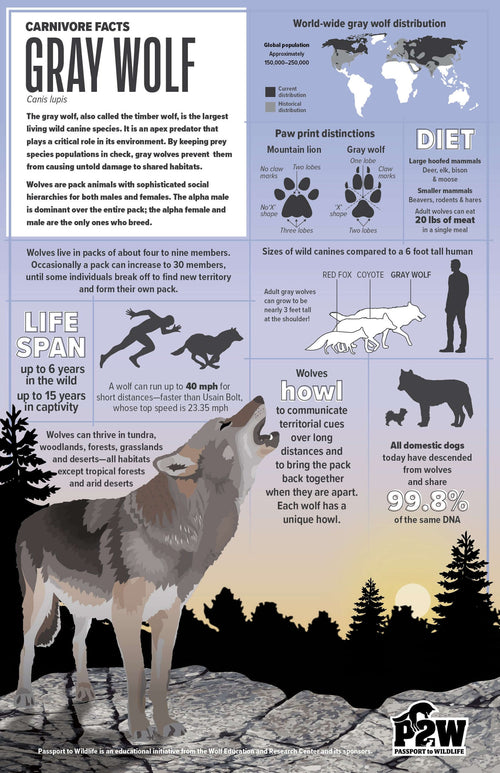
Wolves are the classic example. A wolf pack is usually a family group: parents, pups, and sometimes older offspring. They travel together, communicate with howls and body language, defend territory, and often cooperate to raise young.
That does not mean every animal group is a pack. A crowd is not always a team. A colony is not always a family. A mother with babies is not always a pack. So let’s look at owls, bears, and bats through that lens.
Owls: Mostly Solitary, Not Pack Animals
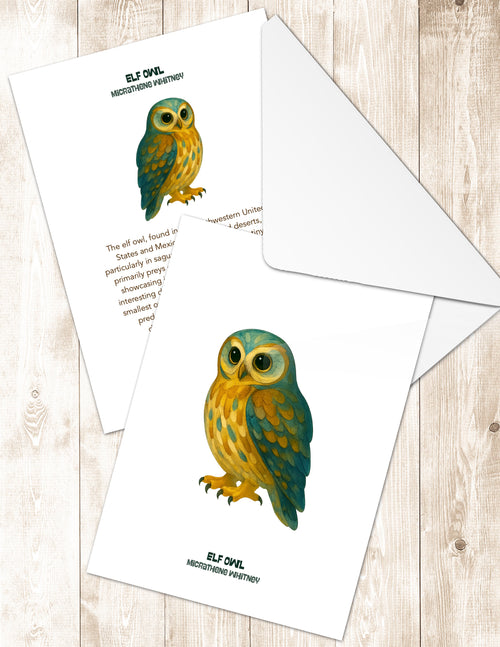
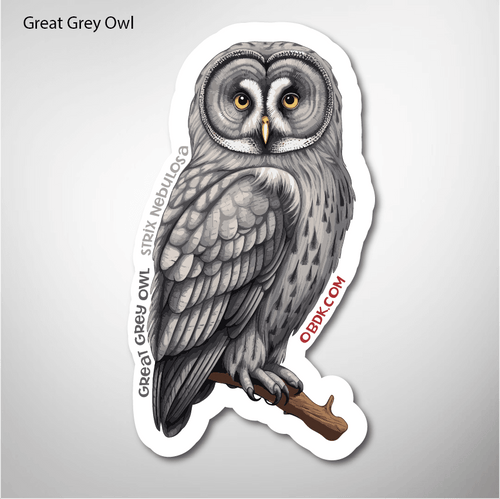
Owls may look mysterious, and honestly, they like it that way. Most owls are solitary hunters. They do not travel in packs. They do not usually hunt as a group. They do not form large cooperative teams the way wolves do.
Instead, an owl’s survival strategy is built around stealth, territory, silent flight, sharp hearing, night vision, and ambush hunting. An owl does not need a pack to surround prey. It needs quiet wings, patience, and the perfect strike.
That said, owls are not completely anti-social. During breeding season, owl pairs may defend a territory, nest together, and care for young. Young owls may remain near the nest for a while after fledging. Some owl species may gather loosely where food is abundant or during migration, but that still is not the same as a wolf pack.
Simple student version: Owls are usually solo hunters, not pack animals.
Bears: Mostly Solitary, Except Mothers and Cubs
Bears are also not pack animals. Most adult bears live largely solitary lives. They may share broad habitat with other bears, but they are not working together like a wolf pack. A bear usually finds food, rests, travels, and defends space on its own.
But there is one very important exception: mother bears and cubs. A mother bear may stay with her cubs for months or even years, depending on the species. During that time, cubs learn where to find food, how to move through habitat, how to climb, how to avoid danger, and how to behave like bears.
That looks social — because it is. But it is not a pack. It is a family unit, centered on the mother and her young.
Bears may also gather temporarily at rich food sources, such as salmon streams or garbage sites where humans have made food available. But again, gathering is not the same as packing. Those bears are not usually cooperating as a team. They are tolerating each other because the food source is worth it.
Simple student version: Bears are mostly solitary, except for mothers with cubs or temporary gatherings around food.
Bats: Social, Colonial, But Not Packs
Bats are the tricky ones. Because if students ask, “Are bats pack animals?” the answer is: No — but they can be extremely social.
Many bats live in colonies. Some colonies can include hundreds, thousands, or even millions of bats. They may roost together in caves, tree hollows, bridges, buildings, or bat houses. That sounds pack-like at first, but a colony is different from a pack.
A bat colony is usually about safety in numbers, warmth, maternity care, shared roosting space, information about good feeding areas, and protection from some predators.
Many female bats form maternity colonies where they give birth and raise pups. Mothers can recognize their own pups by sound and scent, even in a crowded roost. That is amazing social behavior.
But most bats do not hunt like wolves. They may leave the roost together, but they are not usually coordinating as a pack to take down prey. Insect-eating bats often hunt individually, using echolocation to track flying insects.
So bats are not pack animals. They are better described as colonial animals.
Simple student version: Bats often live in colonies, but a colony is not the same as a pack.
Wolves: The True Pack Comparison
Now bring in the wolves. Wolves are one of the best examples of pack life because cooperation is central to how they survive.
A wolf pack helps with raising pups, defending territory, finding food, communicating over long distances, protecting the group, and teaching young wolves how to survive. The pack is not just a crowd. It is a social system.
Each wolf is part of a bigger family structure. The group can do things that one wolf alone might struggle to do, especially when hunting larger prey or defending territory.
That is the key difference. Owls, bears, and bats can all be social in certain ways, but wolves depend on pack cooperation much more deeply.
Quick Comparison Chart
| Animal | Pack Animal? | Social Style | Why It Works |
|---|---|---|---|
| Wolf | Yes | Family pack | Cooperation helps with territory, pups, and hunting |
| Owl | No | Mostly solitary or paired during breeding | Stealth hunting works best alone |
| Bear | No | Mostly solitary, mother-cub family units | Large body size and flexible diet support solo survival |
| Bat | No | Colonial roosting, often highly social | Safety, warmth, and pup care work well in groups |
Why Different Animals Choose Different Social Strategies
Animals do not choose social life randomly. Their behavior is shaped by survival problems.
A wolf benefits from a pack because large prey, territory defense, and pup care are easier with cooperation. An owl benefits from being alone because silence and surprise are easier without a noisy group. A bear benefits from solitary living because it is large, powerful, and often needs a lot of food spread across a big area. A bat benefits from colony life because tiny bodies lose heat quickly, roosts can be safer in groups, and maternity colonies help pups survive.
So the question is not, “Which animal is more social?” The better question is: What kind of social behavior solves this animal’s survival problem? That is where the science gets good.
Classroom Connection: Pack, Colony, Pair, or Solo?
Here is a simple classroom activity that helps students compare social behavior without mixing up the terms.
Give students animal cards: wolf, owl, bear, bat, bee, eagle, deer, penguin, coyote, and fox.
Then create four classroom categories:
- Pack: long-term cooperative group, often family-based
- Colony: many animals living or nesting close together
- Pair/Family Unit: parents and young, or breeding pair
- Mostly Solo: usually lives and hunts alone
Students place each animal card into the best category and must explain their choice with evidence.
For the main four animals, students should land here:
- Wolf → Pack
- Bat → Colony
- Bear → Mostly Solo / Mother-cub family unit
- Owl → Mostly Solo / Breeding pair
Then ask:
- What is the difference between a pack and a colony?
- Why might hunting alone help an owl?
- Why might roosting together help bats?
- Why does a wolf need cooperation more than a bear does?
- Can an animal be social sometimes, but not a pack animal?
That last question is the big takeaway.
Teacher Takeaway
Owls, bears, and bats are not pack animals like wolves. But that does not mean they are all “loners” in the same way.
Owls are mostly solitary hunters. Bears are mostly solitary, except for mothers and cubs. Bats are often highly social, but in colonies — not packs. Wolves are true pack animals, built around cooperation, communication, and family structure.
So the classroom lesson is simple but powerful: A group is not always a pack. Sometimes it is a colony. Sometimes it is a family. Sometimes it is a temporary gathering. And sometimes, like with wolves, it really is a team.