
No Products in the Cart
Weird Anatomy Club

Bats, owls, and bears have body parts that look like mistakes until you realize they’re solutions.
Hook: Nature doesn’t do “weird” for fun. It does weird because it works.
If you want students to stop thinking anatomy is a list of vocabulary words and start thinking it’s a set of survival tools, this is the sweet spot.
Because bats, owls, and bears are packed with features that seem bizarre at first glance… and then make perfect sense once you understand the job they’re built to do.
Why “Weird” Anatomy Exists
Most strange-looking features happen for one of three reasons:
- feeding (how to get calories efficiently)
- sensing (how to find food or avoid danger)
- moving (how to travel, climb, fly, dig, or fight)
Keep that in mind as we tour the weirdest hits.
Bats
Bats are basically flying hands with a sonar system. That sentence alone should win an award.
1) The tongue that doesn’t look real
Some bats have tongues that are long, extend far beyond the mouth, and can be shaped or textured for very specific diets.
- Nectar-feeding bats often have tongues with brushy or hair-like tips that help mop up nectar efficiently.
- Some have tongues that can extend dramatically, helping them reach deep into flowers without landing.
Why it matters: In bat life, hovering costs energy. A tongue that grabs nectar fast is an energy-saving upgrade.
Teacher line: That tongue is a straw and a paintbrush combined.
2) Wings that are actually fingers
Bat wings are thin skin membranes stretched over elongated finger bones. It’s not a “wing” like a bird’s feathered structure.
Weird part: You can literally see the finger structure in a bat wing.
Why it matters: A finger-based wing gives bats incredible maneuverability. They can turn quickly, brake, and fly through cluttered spaces.
Teacher line: A bat wing is a hand that learned to fly.
3) The built-in “sound map” system
Echolocation isn’t an organ you can hold, but bat faces often show the equipment:
- Some species have pronounced ear shapes, nose structures, or facial features that help aim and receive sound.
Why it matters: For many bats, the night is navigated by sound the way we navigate by sight.
Teacher line: They don’t see the world. They measure it.
Owls
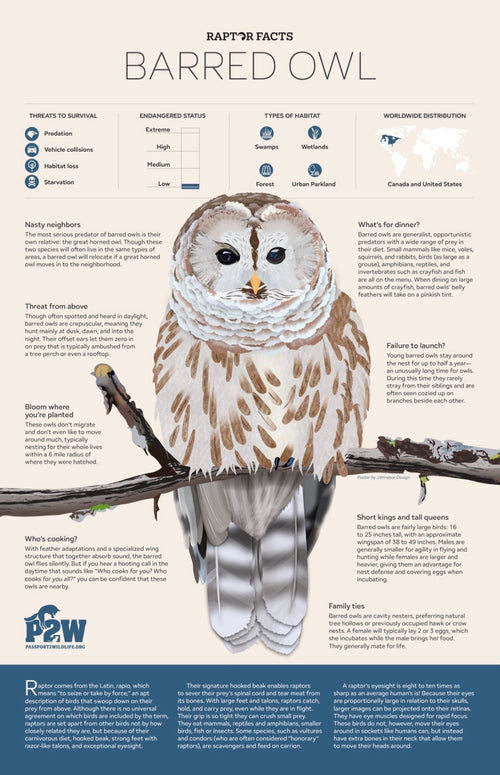
Owls are the definition of specialized predator design.
1) Asymmetrical ears
Some owls have ear openings that aren’t level. One is higher than the other.
Weird part: That sounds like a mistake.
Why it matters: It helps owls pinpoint prey location by sound in three dimensions. The time and intensity differences between ears help triangulate the exact spot.
Teacher line: Owls can “see” with sound because their ears are offset.
2) The facial disk is basically a satellite dish
That round face isn’t just cute. It’s architecture.
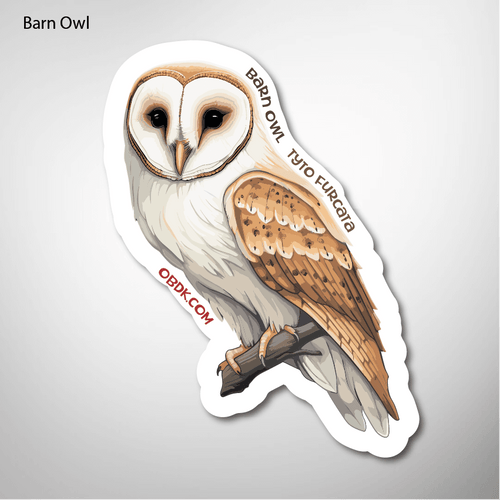
The facial disk funnels sound toward the ears, improving hearing accuracy.
Why it matters: Hearing is hunting. The face is part of the sensory system.
Teacher line: An owl’s face is a sound collector.
3) Silent flight feathers
Owls have specialized feather edges and textures that reduce sound during flight.
Weird part: feathers with fringed edges and soft surfaces
Why it matters: Less flight noise means prey doesn’t get a warning, and the owl can also hear prey better while moving.
Teacher line: Stealth isn’t magic. It’s engineering.
4) Eye tubes, not eyeballs
Owls don’t have round eyeballs like ours. Their eyes are more tube-shaped and held in place.
Why it matters: Tube-shaped eyes can improve light-gathering, but because they don’t swivel much, owls compensate with extreme head rotation.
Teacher line: Their eyes don’t move much, so their heads do the work.
Bears
Bears are built like a tank that also knows how to climb and use fine motor skills with food.
1) The shoulder hump (especially grizzlies)
That hump isn’t fat. It’s muscle.
Why it matters: Powerful shoulder muscles support digging and heavy forelimb work. In spring, digging can matter for roots, insects, and small animals, depending on region.
Teacher line: That hump is an engine for digging.
2) Plantigrade feet (they walk on the whole foot)
Bears walk with the whole foot on the ground, like humans.
Why it matters: It improves stability and power for climbing, grappling, and long-distance walking. It also helps bears stand upright.
Teacher line: They’re built for strength and balance, not speed.
3) Paws that are hands in disguise
Bear paws are strong, flexible, and surprisingly dexterous.
Why it matters: Bears forage like problem-solvers: flipping logs, pulling apart rotting wood, peeling bark, and manipulating food.
Teacher line: A bear is a forager with hardware.
4) Smell that basically runs their life
Again not a “weird organ you can see,” but the anatomy behind bear smell is intense. Their nose and brain are wired for scent-first living.
Why it matters: Bears find food, detect danger, and navigate territory largely through smell.
Teacher line: If you could smell like a bear, you’d read the forest like a newspaper.
Classroom Connection
Activity: “Weird Feature, Real Job” Sorting
Give students feature cards and have them match each to a function:
- feeding
- sensing
- movement
Then have them write one sentence:
“This looks weird, but it helps because ____.”
It turns memorization into explanation.
The Big Takeaway
Weird anatomy isn’t random. It’s a solution to a specific problem.
- Bats solve flight and feeding in the dark with fingers-as-wings and specialized tongues.
- Owls solve hunting in darkness with sound-collecting faces, offset ears, and silent flight feathers.
- Bears solve seasonal survival with power limbs, dexterous paws, and scent-driven decision making.
Different animals. Same rule:
The body tells the story of the job.