
No Products in the Cart
How Predators Interact in Spring

Hook: Spring is when predators don’t just hunt. They renegotiate the entire neighborhood.
If winter is survival math, spring is a full ecosystem reboot. Snow breaks up, prey starts moving differently, babies show up, and everybody’s energy budget gets recalculated.
That’s why spring is one of the best seasons to teach predator interaction. Because the interactions aren’t just “who eats whom.” They’re about timing, territory, and opportunity.
And our cast list matters here: bears, wolves, owls, and bats. Not all are apex predators in the strict definition, but all are influential predators that shape what happens next.
Quick reset: Who’s “apex” and who’s “predator”
- Wolves: apex predators in most of their range, major ecosystem shapers.
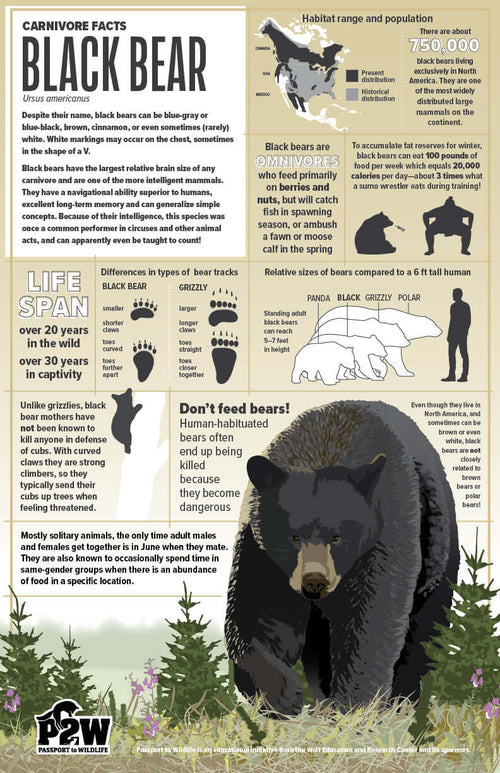
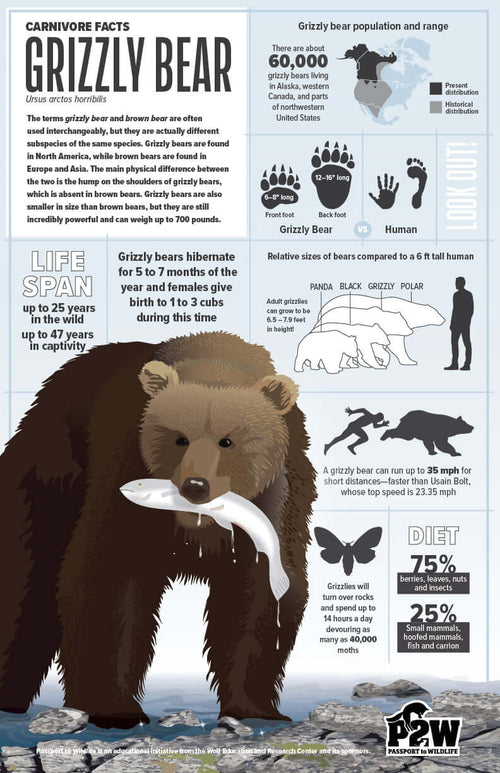
- Bears: often function as apex or near-apex influencers, especially grizzlies and polar bears; black bears are powerful omnivores that can still dominate local food webs.
- Owls: large owls like Great Horned can be apex predators of the night; smaller owls sit lower and can be prey for bigger raptors.
- Bats: predators, yes. Apex predators, usually no. Most insectivorous bats are both hunters and hunted.
Spring is where these roles start overlapping in new ways.
Why spring changes predator interactions
Spring flips multiple switches at once:
1) Food becomes patchy before it becomes abundant
Early spring is not a buffet everywhere. It’s a buffet in specific places: south-facing slopes, river corridors, wet edges, early green zones. Predators converge on these “hot spots.”
2) Newborn prey appears
This is the big seasonal driver. Young animals increase prey availability, and predators respond. But it also changes predator behavior because many predators are raising young too.
3) Carcasses become accessible
Winter-killed animals become available as snow melts. That creates a shared resource that multiple predators can locate.
4) Territories get loud
Spring is mating, nesting, denning, and boundary-setting season. Sound and scent marks become part of the interaction map.
Bears and wolves in spring
This is where spring gets very real.
What spring looks like
- Wolves are feeding pups and need reliable calories.
- Bears emerge in recovery mode and are highly motivated to find easy, high-value food.
- Winter-kill carcasses and fresh kills become major conflict points.
The interaction
Often it’s not direct fighting. It’s a negotiation shaped by:
- pack size and confidence
- bear size and boldness
- terrain (who can control the site)
- how many alternative food sources exist nearby
In spring, bears may be more likely to scavenge and sometimes displace wolves from kills. Wolves may defend if they have numbers and urgency, especially if pups are involved.
The ecosystem ripple
When bears take over carcasses or kills:
- wolves shift hunting effort
- scavengers (ravens, eagles, foxes) adjust their timing
- prey pressure can change in subtle ways
Spring is when “who gets the meal” can redirect the whole food web.
Wolves and owls in spring
These two rarely interact face-to-face, but spring creates strong indirect connections.
Indirect spring link: prey and vegetation
Wolves influence deer and elk movement. That affects browsing. That affects vegetation. That affects rodent cover. That affects owl hunting success.
Spring is when new growth begins, so wolf-driven shifts in prey behavior can echo through:
- meadow structure
- edge habitat quality
- small mammal runways and hiding cover
Spring overlap zones
- edges where rodents concentrate
- creek corridors where prey movement funnels
- openings where both wolves travel and owls hunt
So in spring, wolves and owls are connected through habitat engineering, not rivalry.
Bears and owls in spring
Spring is nesting season for many owls and a movement season for bears.
Two spring connection points
- Disturbance risk near nests: bears moving through nesting areas can stress nesting birds, especially if the nest is low or accessible.
- Food web shifts: bears influence small-mammal communities indirectly through habitat use and foraging patterns. Owls respond quickly to rodent availability.
This isn’t a “they meet at the same table” relationship. It’s a “they shape the room” relationship.
Owls and bats in spring
Spring is when bats return or emerge, and owls are already operating at full night shift capacity.
Why spring increases overlap
- Bats forage heavily near water and edges where early insects emerge.
- Owls hunt those same corridors for small mammals and birds, and some species will opportunistically take bats.
This is one of the clearest predator-predator interactions in our lineup:
- bats are predators of insects
- owls can be predators of bats
Spring takeaway for students: a predator in one food chain can be prey in another.
Bears and bats in spring
This is mostly shared-space ecology, not direct interaction.
Spring concentrates both along:
- rivers and wetlands
- early green edges
- insect-rich corridors
Bears aren’t typically hunting bats, but both are responding to spring’s first “on switches”: warmth, water, and emerging food.
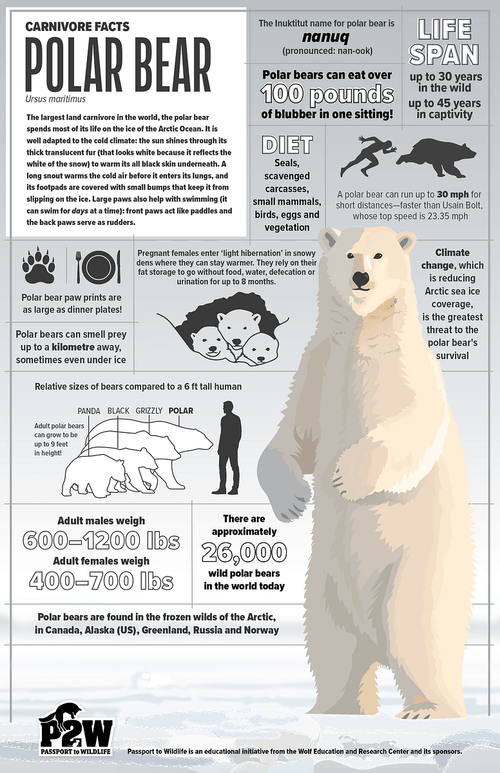
Polar bears: spring is peak hunting plus the breakup countdown
Polar bear spring is its own category because the “habitat” is a platform that changes shape.
In spring:
- seal hunting can be excellent along edges, cracks, and leads
- but breakup begins the countdown to reduced access
Polar bears don’t interact much with wolves or owls most of the time because they operate in different systems. But spring teaches the same rule: predators are tied to access, not vibes.
Spring pattern: predators build a moving map of risk and opportunity
In spring, predator interactions create:
- time partitions (who hunts when)
- space partitions (who owns which corridor)
- resource partitions (who gets carcasses, who gets edges, who gets cover)
That moving map determines where prey can safely move, which shapes vegetation, which shapes everything.
Spring isn’t just a season. It’s a reshuffle.
Classroom Connection
Activity: Spring Predator Interaction Map
Have students build a simple map with:
- a creek corridor
- an open meadow edge
- a forest patch
- a carcass site
- a bat flight line over water
- an owl perch zone
Assign predator cards: bear, wolf pack, owl, bat colony.
Then give “spring event cards”:
- early melt
- late snow year
- winter-kill carcass revealed
- newborn prey season
- nesting season begins
Students answer:
- Who converges on the same resource in spring
- Who avoids whom and why
- Who benefits from leftovers
- Who becomes prey in another chain
Finish with a CER:
“In spring, predator interactions increase around ____ because ____.”
The Takeaway
Spring doesn’t just change the weather. It changes the rules.
Bears and wolves renegotiate carcasses and kills.
Owls lock in territory and nesting while tracking rodent edges.
Bats race the early insect window and sometimes enter owl hunting space.
Polar bears hunt hard while the ice still holds.
In spring, predators aren’t simply “at the top.”
They’re connected through a living system that’s waking up all at once.