
No Products in the Cart
Bears as Gardeners: The Berry-to-Scat-to-Berry Patch Loop

Hook: bears are forest gardeners with terrible table manners.
Picture a black bear in late summer, standing in a berry patch with purple juice on its muzzle and no interest at all in being tidy. It eats berries by the mouthful. It moves on. Later, somewhere down the trail, the bear leaves behind a very unglamorous gift.
Seeds. Lots of them.
If your students giggle, let them. This is one of those ecology stories where the funny part is also the science part: berry → bear → scat → new berry patch.
In a strong berry season, a single bear can move hundreds of thousands of seeds across its home range. Not by planting rows. Not by carrying a tiny shovel. By eating fruit and walking.
The Berry Buffet
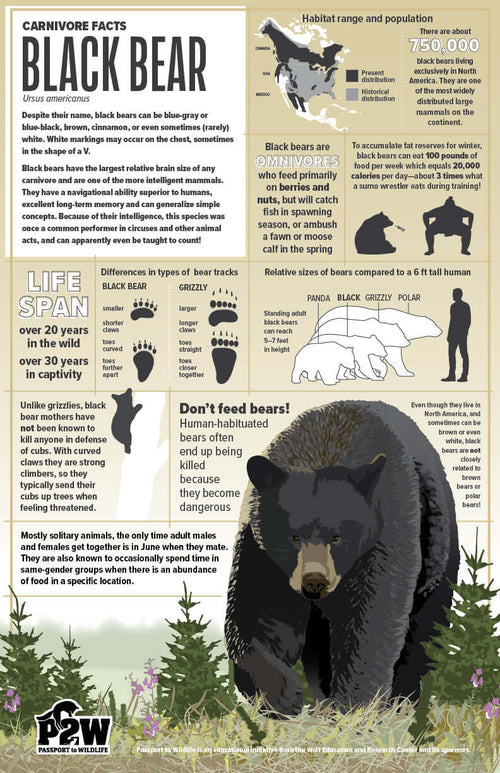
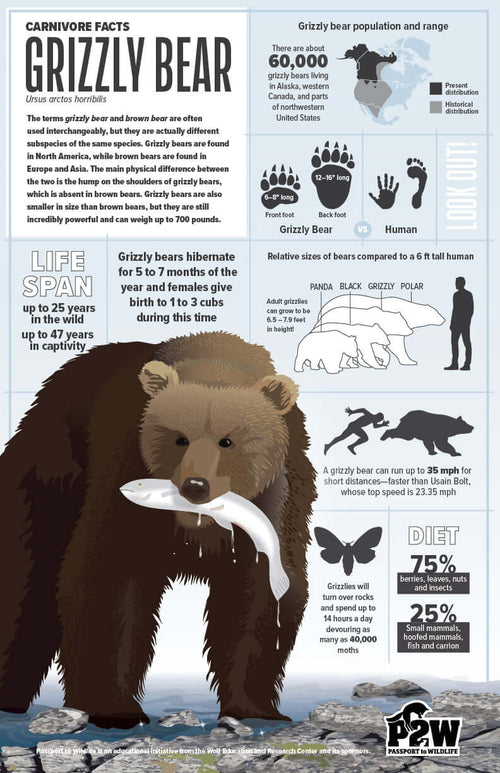
Bears are often described as carnivores, but many bears eat a huge amount of plant food. Black bears and grizzlies, especially, can be enthusiastic berry specialists when fruit is ripe.
Depending on the region, bears may feast on:
Huckleberries
Blueberries
Serviceberries
Chokecherries
Salmonberries
Blackberries
Why berries? Because they are sweet, soft, easy to gather, and full of energy. For a bear preparing for fall weight gain, a berry patch is not a snack table. It is a fuel station.
The Traveling Seed Packet
Every berry comes with seeds inside. Some seeds are tiny. Some are tough. Many pass through a bear’s digestive system and come out somewhere else. That makes a bear a moving seed packet.
Here is the simple loop:
Step 1: A bear eats ripe berries.
Step 2: Seeds travel through the bear.
Step 3: The bear walks, climbs, rests, and explores.
Step 4: Seeds are dropped in scat far from the parent plant.
Step 5: Some seeds sprout if conditions are right.
That last phrase matters: if conditions are right. Scat can help move seeds, but it does not guarantee a plant. It is a clue, not a rule.
Why Scat Is a Starter Kit
Now for the part students will remember forever: bear scat can be a messy little garden package.
It may contain seeds, moisture, and nutrients. It also drops those seeds in a new location, sometimes away from the shade and competition of the parent plant. That can give young plants a better chance, especially when seeds land in places with:
Enough sunlight
Good soil contact
Moisture
Less crowding
Safe distance from hungry seed-eaters
So yes, the phrase poop gardener is silly. But the idea is serious ecology: animals can shape where plants grow.
The Bear Is Not Thinking “Gardening”
Bears are not planning berry patches for next year. They are not choosing planting sites with a clipboard. They are doing what animals do: finding food, saving energy, and following seasonal resources.
But ecosystems are full of accidental teamwork. The berry plant feeds the bear. The bear carries the seeds. The scat gives some seeds a new start. Later, new berries may feed birds, insects, small mammals, and bears again.
That is the lovely loop.
What Students Can Notice
This lesson is a great way to move students beyond “predator” and “prey” thinking. Bears are part of food webs in more than one direction.
Ask students to look for roles:
Consumer: the bear eats berries.
Seed disperser: the bear moves seeds.
Habitat connector: the bear links one patch to another.
Food web participant: the new plants may feed many species.
One animal can be many things at once. That is what makes ecology so fun to teach.
Fun Fact
Bear scat can be packed with visible seeds during berry season. Scientists can study those seeds to learn what bears are eating and how seeds might move through a landscape. It is not glamorous fieldwork, but it is useful fieldwork.
Classroom Connection: “Poop Gardener” Seed Map
This low-prep activity turns giggles into a real seed-dispersal model.
Materials
A simple map of a forest, meadow, or mountain slope
Berry patch cards
Bear movement arrows
Seed tokens or dots
Optional: colored pencils for new plant patches
Steps
Place berry patches on the map.
Move the bear from patch to patch using arrows.
Drop seed tokens along the route where scat might land.
Circle the best sprouting sites using evidence: light, water, open soil, and space.
Label the loop: berry → bear → scat → seedling → berry.
Discussion question: Where would a new berry patch most likely grow, and what evidence supports your prediction?
That last step keeps it scientific. Students are not just saying “poop makes plants.” They are practicing notice → predict → look for more evidence.
The Takeaway
Bears do not need gardening gloves to shape a landscape. By eating berries and carrying seeds across their habitat, they help create the next generation of berry patches. It is messy, funny, and beautifully efficient.
The best part for students? This loop turns scat into evidence, not just a punchline.
So ask them: if a bear walks away from a berry patch, what might it be carrying that the forest needs next?